
 George Anjay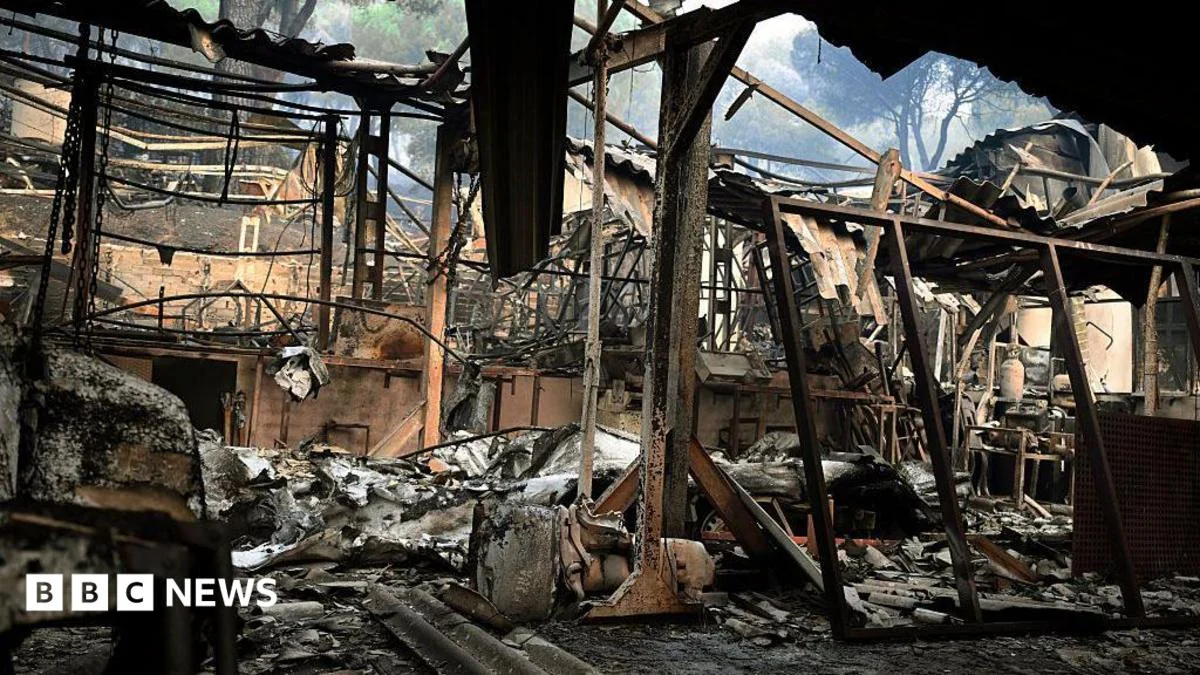
Spain is currently in the throes of a devastating wildfire crisis, with extreme heat and challenging weather conditions exacerbating the situation across multiple regions. Temperatures are expected to soar, approaching a blistering 40 degrees Celsius in some areas in the coming days, with this oppressive heatwave forecast to persist until at least Sunday. The nation’s state meteorological agency, Aemet, has issued stark warnings, predicting that the "fire danger level will continue to rise to extreme levels, hindering firefighting efforts." This grim forecast underscores the immense challenges faced by emergency services battling to contain the infernos.
The scale of the disaster is palpable, with authorities implementing severe restrictions and evacuations. Isabel Díaz Ayuso, the President of the Community of Madrid, confirmed that four municipalities remain under strict lockdown orders, a measure designed to ensure public safety and facilitate emergency response. An additional twelve municipalities have been entirely evacuated, forcing thousands to flee their homes. Ayuso herself had previously described the wildfires with chilling clarity, labelling them as "the biggest natural catastrophe in the history of Spain" and lamenting how the flames have transformed the affected areas into a "war zone." This evocative language highlights the sheer ferocity and destructive power of the blazes.
The impact on the Madrid region alone has been staggering. Since the fires erupted last week, more than 56,500 people have been forced to evacuate. Furthermore, a further 27,797 residents have been instructed to remain at home, a precautionary measure to prevent further displacement and ensure their safety. Beyond the capital, evacuations have also been carried out in the provinces of Ávila, Toledo, and Valencia, indicating the widespread nature of the crisis.
Despite the overwhelming difficulties, there are glimmers of hope. Ayuso shared on the social media platform X that the situation was "improving little by little," offering a ray of optimism that some residents may soon be permitted to return to their homes. This cautious optimism is echoed by Interior Minister Fernando Grande-Marlaska, who reported "relatively positive progress" in firefighting efforts on Monday night. Speaking to Spain’s La 1 TV channel, he expressed satisfaction with the work undertaken, stating, "This morning, we are very satisfied with the work done. We are going to consolidate the work that has been done." He maintained a positive outlook, asserting, "we must be positive; we have the emergency under control," yet he candidly conceded that "weather conditions are not helping us at all." This admission underscores the critical role of the prevailing weather in dictating the course of the firefighting operations.
The Madrid region is currently under a severe red weather warning, a testament to the extreme temperatures anticipated. In mountainous areas, temperatures are expected to reach 35 degrees Celsius, while other parts of the community could experience a sweltering 38 degrees Celsius. The national government’s delegation in Madrid, in its latest update, provided a stark assessment of the situation, stating that the fire "remains active and uncontrolled." Their strategic focus for the current day’s efforts will be on "surveillance and cooling the affected areas in anticipation of the forecast worsening of weather conditions." This proactive approach aims to mitigate further spread and prepare for potential resurgences of the blaze.
The sheer scale of the devastation is quantified by the affected land area. According to Sara Aagesen, the minister for ecological transition, approximately 77,000 hectares, equivalent to a staggering 190,000 acres, have been consumed by the fires across Spain. Aagesen further highlighted the severity of the situation by identifying the wildfire burning in the Ávila area as the largest in the country’s recent history. In Ávila specifically, where over 50,000 hectares have been ravaged since the commencement of the wildfires, the government’s representative, Nicanor Sen, reported that the fire had experienced a "quite favourable" evolution overnight. However, he cautioned that "small flare-ups" had occurred, and these are now under close monitoring by emergency services.
Meanwhile, the government of Valencia has taken a positive step by lifting a lockdown order for the town of Vall D’Uixo. This town had been under lockdown following a fire that broke out on July 25th, which had forced the evacuation of approximately 16,000 people from 20 different municipalities. The lifting of this order signifies a degree of containment and a return to normalcy for those affected.
The wildfire crisis is not confined to Spain’s borders. In neighbouring Portugal, firefighters are engaged in a fierce battle against a large fire that is raging on three active fronts in the eastern Guarda area. This regional interconnectedness of environmental challenges underscores the broader climate crisis that is affecting the Iberian Peninsula. The ongoing struggle in Guarda further emphasizes the need for coordinated regional responses and robust firefighting capabilities across borders.
The underlying causes of these devastating wildfires are intrinsically linked to climate change. Prolonged periods of drought, exacerbated by increasingly high temperatures, create tinderbox conditions, making vegetation highly susceptible to ignition. Human activity, whether accidental or deliberate, then acts as the spark that ignites these volatile landscapes. The intensity and frequency of such extreme weather events are consistent with scientific predictions of a warming planet. This highlights the urgent need for both immediate adaptation strategies to cope with the current crisis and long-term mitigation efforts to address the root causes of climate change. The "hell of a situation" Spain is facing serves as a stark reminder of the escalating global threat posed by environmental instability. The resilience of the Spanish people and the dedication of its emergency services are being tested to their limits, but the path forward will require sustained effort, international cooperation, and a profound commitment to environmental stewardship. The recovery process will undoubtedly be long and arduous, demanding significant resources and a comprehensive approach to rebuilding and restoring the affected landscapes and communities. The devastating impact on biodiversity and ecosystems will also necessitate dedicated conservation and rehabilitation programs. As the heatwave continues and the threat of further fires looms, Spain’s struggle serves as a critical case study in the growing challenges of managing climate-induced disasters.




 Roy Suryo

 Nakalama John
 atisusanti
 Ramos Leo
