
 Ramos Leo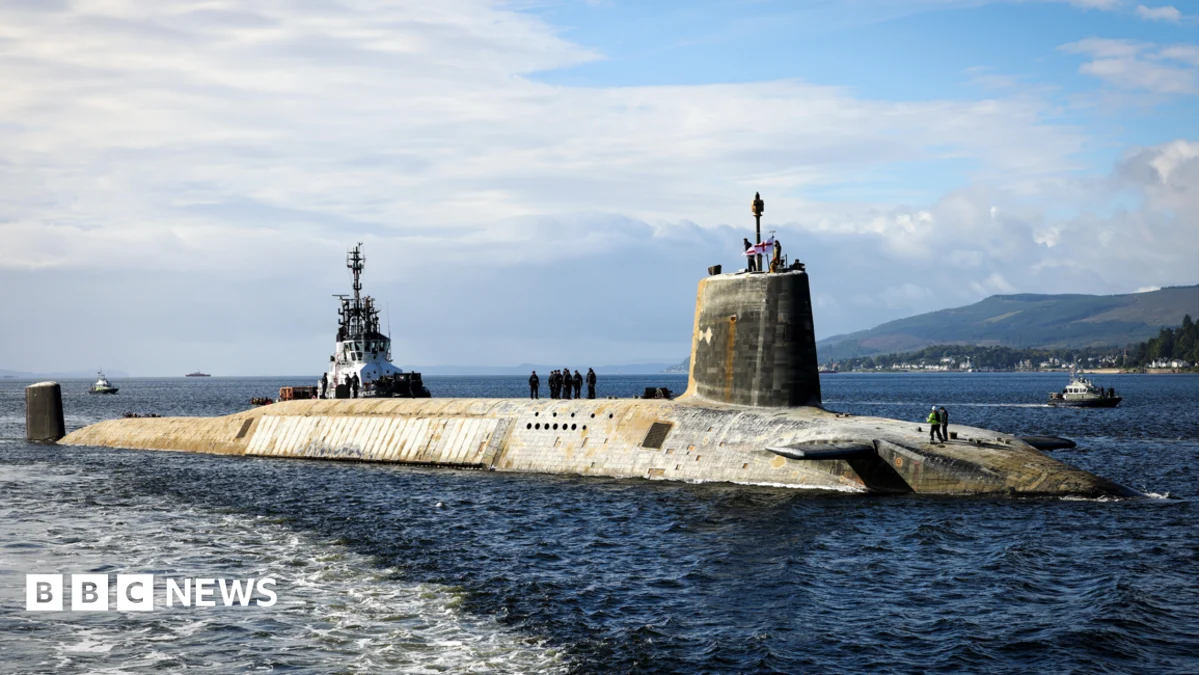
Speaking ahead of a significant visit to Barrow-in-Furness, Cumbria – the historic shipbuilding town where four new Dreadnought-class submarines are currently under construction – the Prime Minister articulated a dual vision. He stated, "Security is not only about what we build, it is about who builds it, and who benefits from it." This statement encapsulates his government’s strategy to intertwine national defence with domestic economic revitalisation, particularly in industrial heartlands.
The immediate focus of the announcement is an £8.4 billion injection into the Dreadnought project. This substantial funding is designated to accelerate progress towards getting these cutting-edge vessels ready for service, marking a critical milestone in their development. This sum represents the commencement of the fourth phase of the project, a monumental undertaking that has spanned two decades, from its initial announcement by then-Labour Prime Minister Tony Blair in 2006 to formal parliamentary approval for construction in 2016.
The Dreadnought-class submarines are poised to become the cornerstone of the UK’s continuous at-sea nuclear deterrent, replacing the existing Vanguard-class vessels that have been operational since 1992. These new submarines will carry Trident missiles, ensuring Britain maintains its strategic nuclear capability. With the Vanguard submarines slated for retirement in the 2030s, the Dreadnoughts are designed to seamlessly enter service concurrently, guaranteeing an uninterrupted deterrent.
This £8.4 billion commitment, while substantial, is part of a much broader financial strategy outlined in the Defence Investment Plan, which was published in the final days of Sir Keir Starmer’s previous government. The plan allocates an impressive £63.6 billion over the next four years to the Defence Nuclear Enterprise. The lion’s share of this funding, approximately £47 billion, is earmarked for maintaining the current nuclear submarines in operation, progressing the Dreadnought programme, initiating conceptual work on potential replacements for the Dreadnoughts 30 years hence, constructing several other new submarines, and undertaking vital upgrades to the UK’s naval docks and manufacturing facilities. This comprehensive investment highlights the long-term, multi-faceted nature of the UK’s commitment to its naval power and nuclear deterrent.
Prime Minister Burnham used his visit to Barrow-in-Furness, a town synonymous with British naval engineering prowess, to reinforce the profound economic benefits stemming from defence spending. He reiterated, "The submarines produced in Barrow will protect Britain for decades to come, and the 47,000 jobs and apprenticeships will change lives both in this town and in dozens of places like it." He further emphasised the domestic economic circularity, stating, "British money, spent on British workers, British firms and British skills, in the places that were written off for 40 years." This narrative aligns with the government’s broader "levelling up" agenda, aiming to inject prosperity into regions that have historically suffered from deindustrialisation.
The government projects that the spending on the UK’s nuclear defence currently supports around 47,000 British jobs, a figure that includes a significant number of apprenticeships. This workforce comprises highly skilled engineers, manufacturers, project managers, technicians, and a vast array of support staff across complex supply chains. Looking ahead, this figure is forecast to rise to 65,000 by 2030, with 22,000 apprenticeships expected to be created by 2035. These roles represent long-term career opportunities in cutting-edge industries, fostering a new generation of skilled workers.
Since assuming the premiership, Burnham has made reducing the number of young people not in employment, education, or training (NEETs) a key policy objective. In line with this, his administration has already announced funding initiatives to support those embarking on apprenticeships. Taking this a step further, the Prime Minister revealed plans to reform the public procurement process – the mechanism by which taxpayer money is spent on contracts – to favour companies that commit to offering 45-day work placements.
Speaking on the Jimmy’s Jobs of the Future podcast, Burnham indicated there would be "more social value weighting in public contracts," with a specific focus on incentivising firms to provide such placements. He drew inspiration from his tenure as Greater Manchester mayor, where he observed a notable increase in 45-day placements offered by private sector firms under similar initiatives. However, the initial announcement provided limited detail regarding the precise extent of these changes, the mechanisms for their implementation, or the projected number of firms expected to adopt these placement schemes.
While the government lauded the investment, political reactions were varied. James Cartlidge, the Conservative shadow defence secretary, welcomed the progress on the submarine programme but simultaneously accused Prime Minister Burnham of "failing to commit" to fully funding defence. This criticism highlights ongoing political debate over the appropriate level of defence spending in the face of evolving global threats and the UK’s international commitments.
Burnham has previously affirmed his intention to honour the UK’s defence spending commitments, including meeting the NATO target of allocating 3.5% of national income to defence by 2035. This ambitious pledge, however, presents a formidable challenge for both the Prime Minister and his new Chancellor, John Healey. They face the tricky task of identifying the substantial additional funding required to fulfil this commitment amidst existing fiscal pressures, competing demands on public services, and a challenging economic climate. Raising taxes or implementing significant cuts elsewhere would likely be necessary, presenting a considerable political tightrope walk.
The Liberal Democrat defence spokesperson, James MacCleary, proposed an alternative funding mechanism, advocating for the use of "defence bonds." He suggested that these bonds could "raise dedicated funding to rebuild capabilities across the whole of the armed forces." Defence bonds, typically government-issued securities, would allow citizens to invest directly in national defence, providing a distinct revenue stream separate from general taxation.
Reform UK’s Danny Kruger dismissed Burnham’s announcement as merely a "rehashed spending plan" that offered "nothing to address the crisis in the UK’s nuclear programme." Kruger argued that if the Prime Minister genuinely cared about national security and the armed forces’ ability to stand alongside allies, he would commit to a "significant increase in spending and a total overhaul of both procurement and the nuclear enterprise." This critique hints at concerns over potential delays, cost overruns, and systemic inefficiencies often associated with large-scale defence projects, which some argue have plagued the UK’s defence sector.
Conversely, Green Party Westminster leader Ellie Chowns fundamentally questioned the allocation of billions of pounds to "weapons that must never be used." Chowns asserted that "Ministers should not pretend that the best way to create employment is by funnelling ever-increasing sums into the nuclear weapons programme." Her statement reflects a core Green Party position that prioritises disarmament and argues for the redirection of defence spending towards social programmes, renewable energy, and other initiatives that address climate change and social inequality, presenting a stark moral and economic counter-argument to the government’s defence strategy.


 George Anjay
 Nakalama John
 atisusanti
 Roy Suryo
 Nana Banana