Nana Banana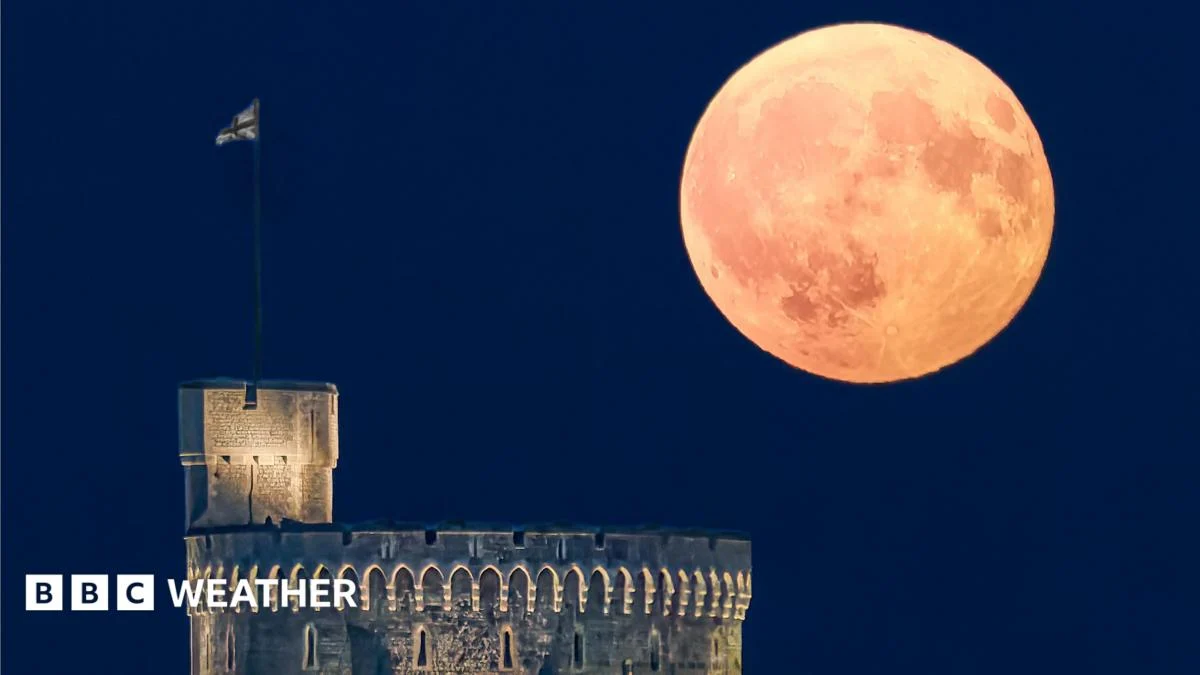
The July full Moon, most widely known as the Buck Moon, derives its identity from a remarkable biological phenomenon observable during this specific time of year. It coincides with the period when male deer, or bucks, are in the midst of rapidly growing a new set of antlers. This annual growth cycle is nothing short of extraordinary; antlers, unlike horns, are true bone structures that are shed and regrown each year. In early summer, the burgeoning antlers are soft, covered in a velvety layer of skin rich with blood vessels and nerves, which supplies the necessary nutrients for their rapid development. This velvet stage is crucial, as it protects the delicate, growing bone and facilitates its incredible speed of expansion. By late summer or early autumn, the antlers will have fully hardened, and the velvet will be rubbed off, preparing the bucks for the rutting season. The sight of these magnificent creatures with their developing crowns, still encased in velvet, became an unmistakable marker of the July period for indigenous peoples and early settlers, solidifying the "Buck Moon" as its enduring title.
Beyond the prominent Buck Moon designation, this mid-summer lunar event carries other names, reflecting diverse cultural perspectives and regional natural occurrences. The Royal Observatory in Greenwich, for instance, also acknowledges this Moon as the Thunder Moon, a name directly attributable to the often-dramatic summer storms that frequently punctuate July. This period, particularly in temperate zones like the UK, is prone to intense thunderstorms, characterized by spectacular lightning displays and booming thunder. These storms, while sometimes disruptive, are also vital for replenishing water sources and contributing to the lushness of the summer landscape. For ancient societies, the power and unpredictable nature of these storms would have been deeply significant, often imbued with spiritual or mythological interpretations. The name Thunder Moon thus captures the formidable atmospheric energy characteristic of the month, serving as a reminder of nature’s raw power.
Other cultures across the globe have their own unique appellations for the July full Moon, each reflecting the specific environmental context and activities prevalent in their regions. Native American tribes, for example, used a variety of names: the Hay Moon, noting the time for harvesting hay; the Salmon Moon, for communities where salmon runs were abundant; and the Raspberry Moon, marking the ripening of wild raspberries. These names underscore the localized ecological knowledge and the deep connection ancient communities had with their immediate surroundings, where the Moon’s phases were not just astronomical events but critical cues for survival and sustenance. The diversity of these names paints a rich tapestry of human interaction with the natural world, all governed by the same celestial body.
The visual impact of the July full Buck Moon over the UK was particularly noteworthy this year, contributing to the "stunning" descriptor. The moon appears full to the naked eye for approximately three days centered on its peak illumination, which occurs when it is precisely opposite the Sun in its orbit, making its entire face visible from Earth. Factors like atmospheric conditions significantly influence how we perceive its brilliance. When the Moon hangs low on the horizon, atmospheric scattering can cause it to appear larger and sometimes imbue it with warm hues of orange, red, or yellow as its light passes through more of Earth’s atmosphere, which filters out bluer wavelengths. This optical phenomenon, combined with clear summer skies that are common in July, particularly after a day of warmth, often creates exceptionally vivid and dramatic photographic opportunities. Photographers across the UK, from the rugged coastlines of Scotland to the rolling hills of the Cotswolds and the urban skylines of London, seized the chance to capture its majesty, often silhouetting the lunar disc against iconic landmarks or natural vistas.
The Moon itself, Earth’s only natural satellite, plays a pivotal role in our planet’s dynamics, far beyond its visual appeal. Its gravitational pull is the primary driver of ocean tides, influencing marine ecosystems and coastal environments. Its consistent phases have served as the basis for calendars across civilizations, helping humanity organize time and predict seasonal changes for millennia. Orbiting Earth at an average distance of about 384,400 kilometers, its relative proximity makes it the most dominant object in our night sky. Despite its seemingly constant presence, the Moon is a dynamic celestial body, gradually drifting further from Earth by about 3.8 centimeters per year, a testament to the subtle, ongoing changes in our solar system.
Observing the full Buck Moon, or any full moon, offers a profound connection to the cosmos. It reminds us of the intricate dance between celestial bodies and the rhythms they impose on our planet. The UK, with its varied landscapes, provides countless vantage points for such observations. From remote, dark-sky reserves where the Milky Way is also visible, to bustling cities where the Moon’s glow cuts through ambient light, the experience is universally captivating. Tips for aspiring moon photographers include using a tripod to minimize blur, employing a telephoto lens to bring the Moon closer, and experimenting with exposure settings to capture both its detailed surface features and the surrounding twilight glow. Timing is also crucial; capturing the Moon as it rises or sets can yield the most dramatic and aesthetically pleasing results due to the atmospheric effects.
Looking ahead, the lunar calendar continues to offer fascinating events. The August full Moon, traditionally known as the Sturgeon Moon, will follow, named for the large fish that were historically abundant in North American lakes and rivers during this month. Each subsequent full Moon carries its own unique moniker and cultural significance, inviting continued engagement with the night sky. The enduring practice of naming full Moons underscores a timeless human desire to understand and connect with the natural world, using the consistent presence of our lunar companion as a guiding beacon through the seasons. The July full Buck Moon, with its stunning display over the UK, was not merely an astronomical event but a vivid reminder of this ancient, unbroken bond between humanity and the cosmos, beautifully encapsulated in the photographs that now preserve its ethereal glow.


 Nakalama John

 George Anjay