Nana Banana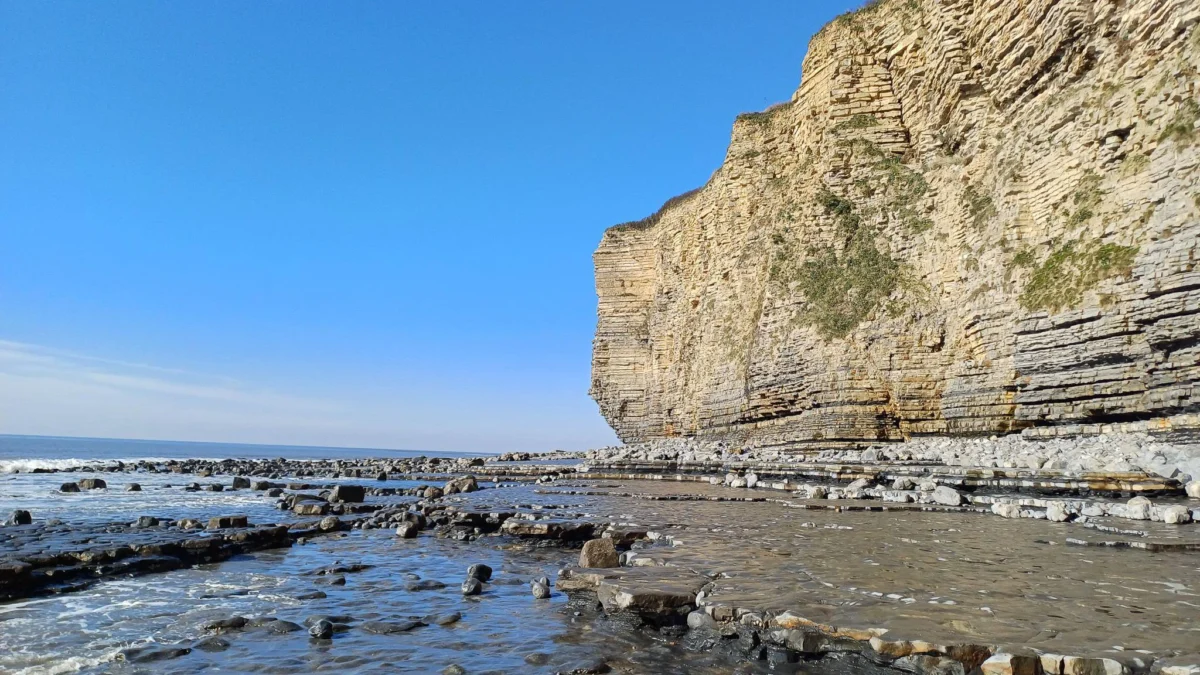
The pivotal moment in Myerscough’s life occurred in 2014, high on the slopes of Yr Wyddfa, more commonly known as Snowdon, Wales’s highest peak. An avid mountaineer, he was pursuing his love for the rugged beauty of the mountains when disaster struck. Caught in a sudden and powerful avalanche, he was buried beneath a suffocating metre of snow for a terrifying twenty minutes, losing consciousness. The experience left an indelible mark, physically and psychologically. While he miraculously survived, the aftermath was a battle with post-traumatic stress disorder (PTSD), a condition that profoundly altered his relationship with the very mountains he once cherished. The familiar peaks, once a source of solace and challenge, now evoked a deep-seated anxiety and a sense of unease.
Seeking a new path to healing, Myerscough found himself drawn away from the dizzying heights of the mountains and towards the ancient, eroding coastlines. It was here, amidst the timeless rhythm of the waves and the geological tapestry of the beaches, that he discovered a new passion: amateur fossil hunting. The meticulous, focused nature of the search proved to be an unexpected balm for his troubled mind. "Looking back now, I realise, I have had some PTSD," he reflects, acknowledging the subtle yet pervasive impact of the avalanche. The methodical process of scouring the rocks, sifting through shingle, and carefully examining geological formations offered a unique form of mindfulness. "Being on the beach, and looking for fossils, and being kind of really focused on one specific task… it has been a tool for me to kind of process things," he explains. He likens the experience to the therapeutic absorption found in yoga, sport, or even watching a captivating film, where "worries or stresses kind of melt away as you’re focused."
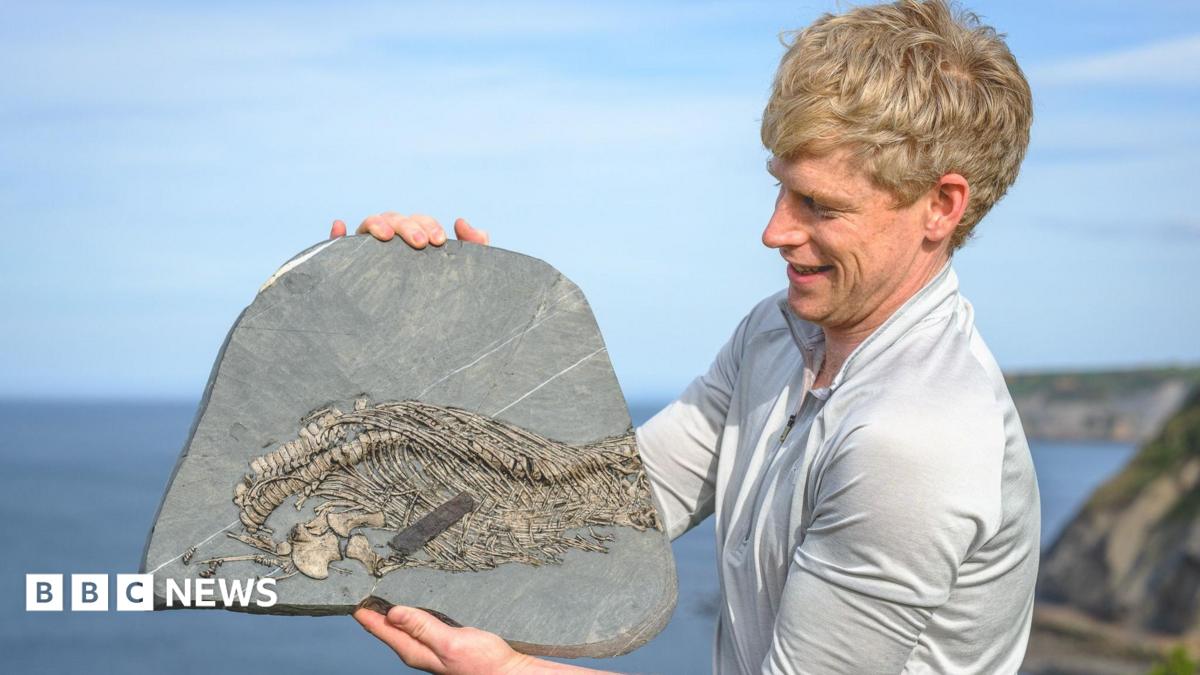
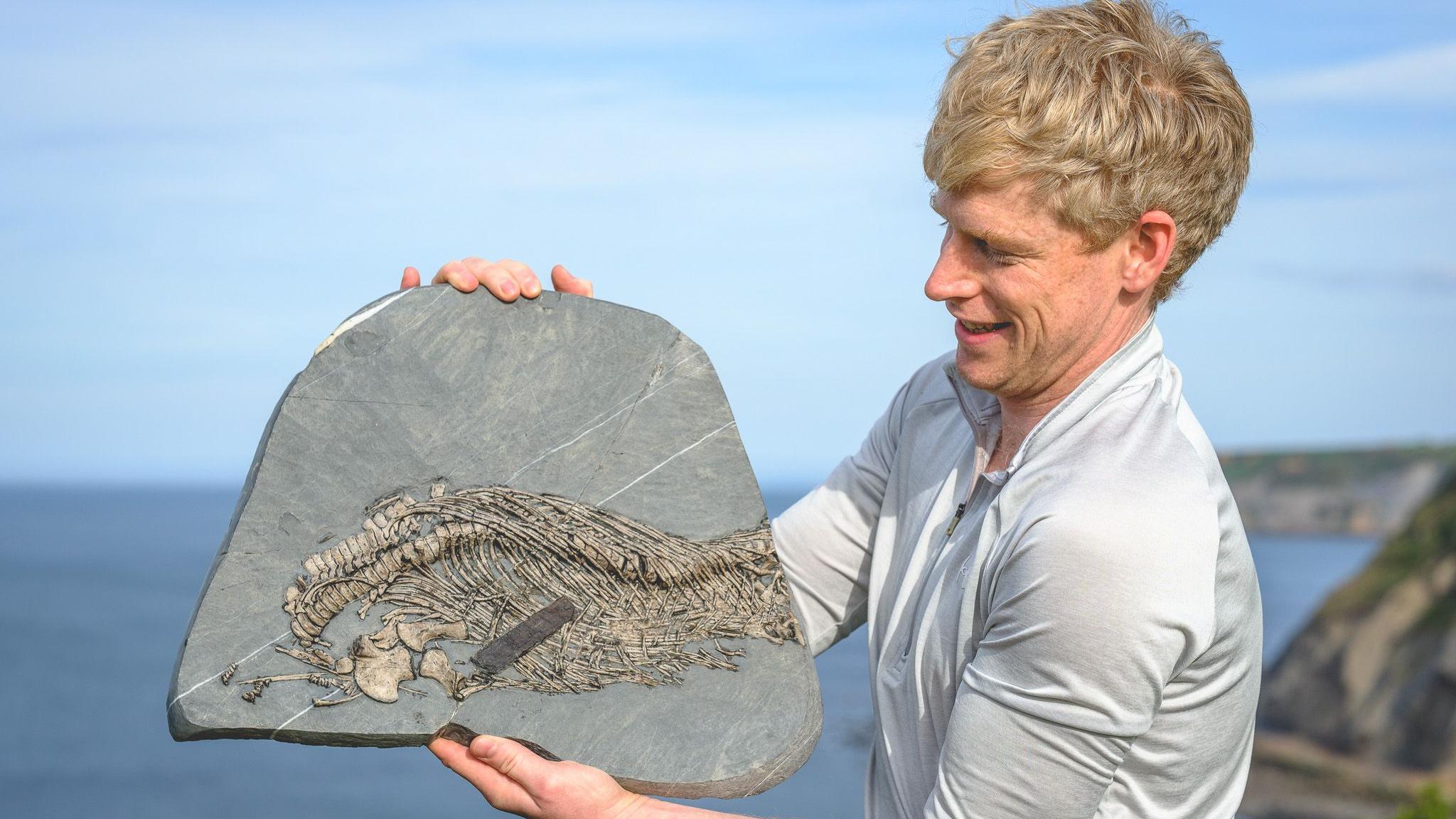
This newfound dedication to palaeontology led Myerscough to Lavernock Point in the Vale of Glamorgan, a stretch of coastline renowned for its Jurassic period strata. It was here, during an outing with two fellow fossil enthusiasts, that the extraordinary discovery unfolded. As they were making their way off the beach, their eyes trained on the exposed rock faces and tidal detritus, a distinctive shape caught their attention embedded within the limestone. It was a large, unmistakable form, hinting at something ancient and magnificent. Through careful examination and subsequent consultation with experts, the team identified their find as the lower jaw of a Rhomaleosaurus, a formidable carnivorous marine reptile often colloquially referred to as a "sea dragon."
The significance of this discovery cannot be overstated. Dating back approximately 201 million years to the early Jurassic period, this particular type of plesiosaur, a Rhomaleosaurus, had never before been formally documented in Wales. Its presence provides invaluable new data for palaeontologists studying the ancient marine ecosystems that once thrived off the Welsh coast. These magnificent creatures were apex predators of their time, characterized by their long necks, powerful flippers, and sharp, conical teeth designed for catching fish and other marine prey. The discovery of such a well-preserved jawbone offers critical insights into the anatomy, diet, and geographical distribution of these ‘sea dragons,’ helping to piece together a more complete picture of life in the Jurassic seas. The fossil has since been brought to the attention of the National Museum Cardiff, where ongoing research is being conducted. Myerscough expresses his hopeful anticipation that this collaborative effort will culminate in the publication of an academic paper, cementing the find’s place in scientific literature. "Every now and again, whether it’s a five-year-old or a 50-year-old, somebody finds something that is scientifically important, new to science, and we learn from that," he notes, underscoring the democratic nature of discovery in the field of fossil hunting.
For those inspired by Myerscough’s tale, the world of fossil hunting is surprisingly accessible. It requires keen observation, patience, and an appreciation for the subtle clues etched into the landscape. "I’m very much focused on using my eyes to find the fossils, so there’s definitely plenty of trips where I’ll go out and my hammer will stay in my rucksack," Myerscough advises. Essential gear includes a hand lens for close inspection of intriguing rocks, robust hiking boots or wellies for navigating uneven terrain and tidal zones, and, perhaps most importantly, a flask of strong coffee to fuel hours of contemplative searching.
Lavernock Point, with its dramatic limestone shale cliffs, is a particularly fruitful hunting ground. The relentless action of the sea and the erosion of the cliffs constantly expose new layers of ancient rock, revealing treasures from the deep past. Visitors to the area can often find a variety of fossils just lying loose in the shingle. "If you head towards Lavernock Point you can literally walk along the beach, and you may pick up a vertebra loose in the shingle from a plesiosaur or an ichthyosaur," he explains. Beyond these iconic marine reptiles, one might also discover fragments of ribs, ammonites, or even coprolites – the fossilized faeces of prehistoric sharks and other marine animals, offering a fascinating glimpse into their ancient diets. "You can find all those fossils just loose, you know, in the shingle there, if you’re lucky, and many families do, and I think that’s such a wonderful pastime," he enthuses, highlighting the joy and wonder that such finds can bring to people of all ages.
Myerscough’s journey from the precipice of a mountain tragedy to the discovery of a prehistoric leviathan has been chronicled in his book, "In Search of Sea Dragons: A Fossil Hunter’s Odyssey." He penned the book not merely as an account of his finds, but as a narrative exploring the very essence of fossil hunting itself – the tactile experience, the intellectual pursuit, and the profound personal connection it fosters with deep time. He observed that much literature on archaeology and palaeontology often focuses on the scientific discipline, rather than the raw, human experience of discovery. "I wanted to read about the experience of actually finding fossils, you know, what it was like to actually discover something on the beach," he shares. Myerscough also sought to demystify a hobby that can sometimes be shrouded in secrecy, particularly regarding the precise locations of significant finds. "I’d seen photos of specimens, but perhaps the details of just where exactly they came from, or what they looked like when they were found was kind of shrouded in secrecy," he notes. His book, therefore, is an open invitation, a detailed account that aims to lift the veil: "I wanted to put this out there and say, ‘This is what I found, this is what it was like when I found it, this is how I collected and recovered it, and this is what it meant to me.’"
Matthew Myerscough’s story is a compelling testament to the unexpected paths life can take, and how adversity can lead to extraordinary new passions and discoveries. His rare ‘sea dragon’ find at Lavernock Point is a significant contribution to Welsh palaeontology, but perhaps equally important is the narrative of personal healing and the profound connection he found with the ancient world, one fossil at a time.




 George Anjay
 Nakalama John
 atisusanti
 Ramos Leo