
 Ramos Leo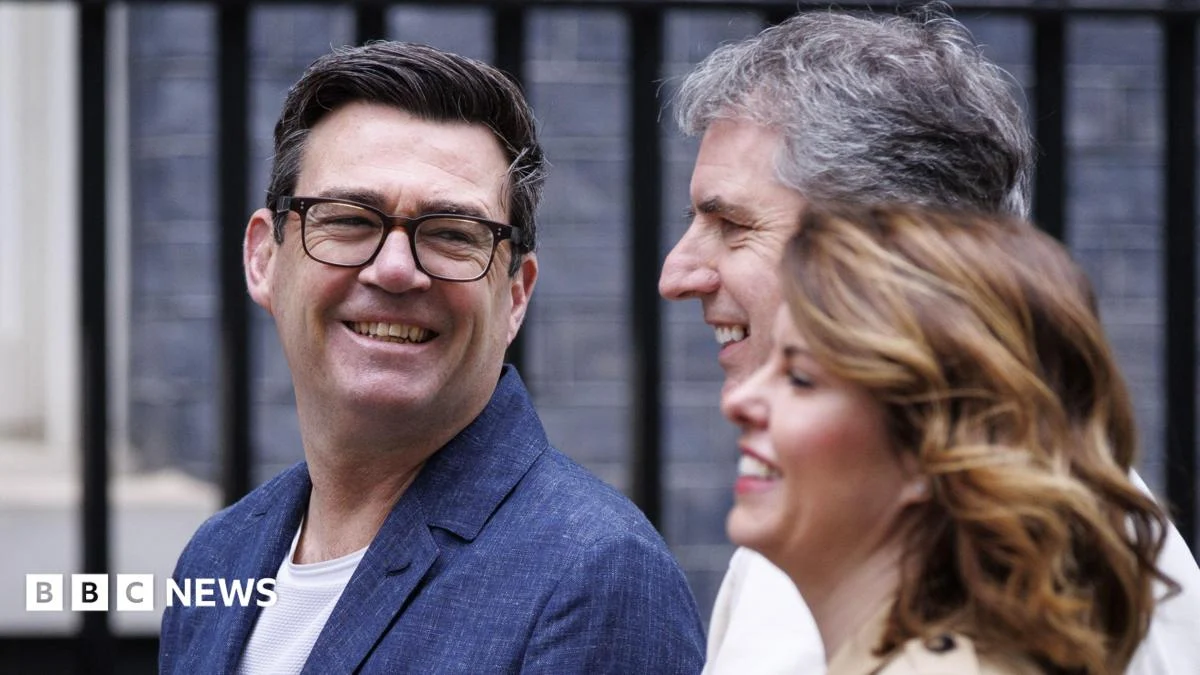
Prime Minister Andy Burnham has announced a landmark policy that will fundamentally reshape England’s financial landscape, granting mayors of city regions a share of income tax revenue for the first time. This audacious move forms a cornerstone of his administration’s overarching mission to decentralise power, shifting influence and resources from Westminster to democratically elected local leaders across the country. The initiative represents a significant departure from the highly centralised model that has long characterised the United Kingdom, aiming to foster greater local autonomy and accountability.
Under the ambitious new proposals, mayors of England’s strategic authorities will also gain the ability to retain a portion of business rates collected within their jurisdictions. Beyond fiscal control, the reforms promise to deliver greater command over critical public services, including housing, transport networks, and skills training programmes. These areas are widely seen as crucial levers for driving local economic growth and improving quality of life, and their devolution is anticipated to empower mayors to tailor solutions specifically to their communities’ needs.
While the exact percentage of tax revenue to be allocated to mayors remains under discussion, further details are expected to be unveiled when Chancellor John Healey delivers his inaugural budget in the autumn. This budget is poised to be a pivotal moment for the new government, outlining the financial architecture that will underpin Burnham’s vision for a more devolved Britain. The complexity of designing a fair and effective distribution mechanism, particularly one that addresses regional disparities, is understood to be a key challenge for Treasury officials.
The announcement has drawn a mixed reception, with critics raising concerns about the lack of specific detail and warning that the plans could inadvertently disadvantage areas with weaker economies. Shadow Chancellor Sir Mel Stride voiced apprehension that without new money, the redistribution could be a zero-sum game, potentially leading to some regions losing out. However, Prime Minister Burnham robustly defended the initiative, asserting that it would "make good" on his long-standing pledge to "bring power home" to "every postcode in the country." He emphasised that the reforms would ensure "more of the taxes raised in a community will stay in that community," thereby creating a more direct link between local economic activity and local public spending.
The United Kingdom currently stands as an anomaly among developed nations due to its exceptionally high degree of fiscal centralisation. According to data from the OECD, a leading global policy forum, the share of national taxes collected at a local level in the UK is a mere 5.8%. This figure places the UK at the bottom of the G7 league table, significantly trailing major economies such as France (20.4%), Japan (36%), and the United States (45.7%). This stark comparison highlights the profound nature of Burnham’s proposed reforms, which aim to redress a historical imbalance that many argue has stifled local innovation and accountability.
Under the current system, mayors of strategic authorities in England predominantly rely on central government grants for their funding. This dependence often means that local priorities are dictated by Whitehall, and funding streams can be subject to the vagaries of national political cycles. The new model seeks to break this cycle, replacing grants with directly retained tax revenues, thereby providing a more stable and predictable financial base for local planning and investment.
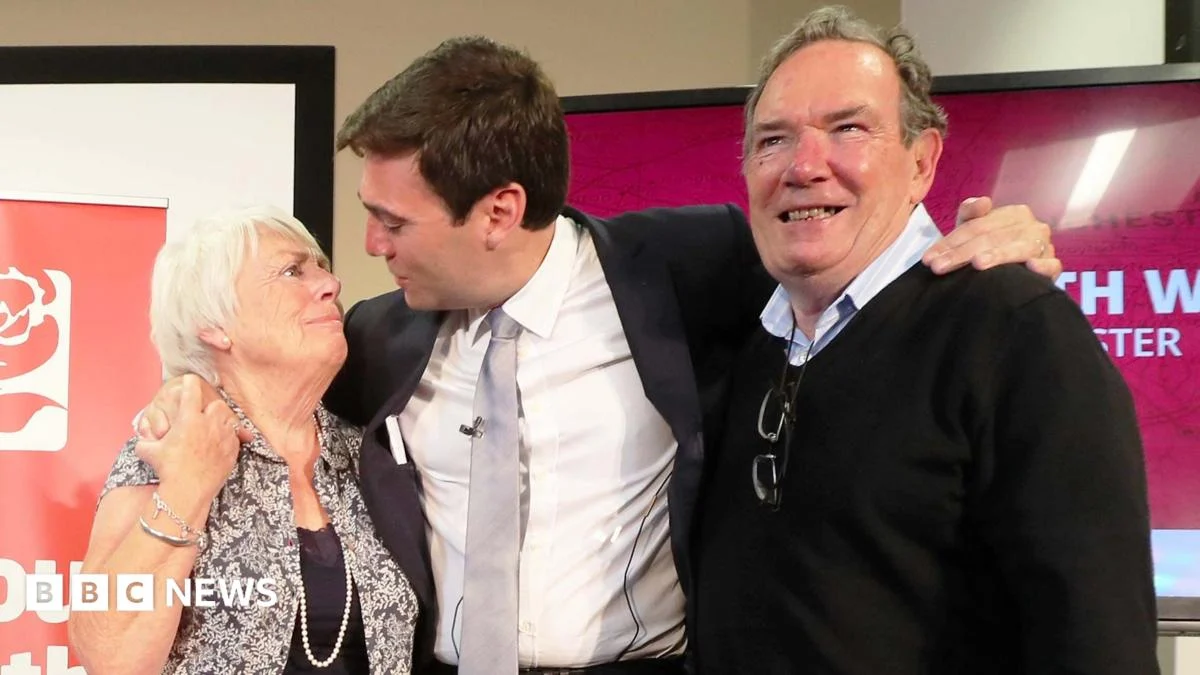
Andy Burnham’s personal journey and political philosophy are deeply intertwined with this devolution agenda. During his tenure as Mayor of Greater Manchester, he was a vocal and persistent advocate for greater local control over tax revenue, often expressing frustration at having to rely on the central government’s grant-making processes. His experience in Manchester, a city that has been at the forefront of the devolution movement, evidently shaped his conviction that local leaders are best placed to understand and address the unique needs and opportunities of their regions.
Even before Burnham ascended to the premiership earlier this month, the UK government had been exploring various models for distributing a share of national tax revenues to metro mayors. However, Burnham’s arrival in Downing Street has injected new urgency and ambition into these discussions. In a significant speech on devolution delivered in June, he promised to "oversee the biggest rebalancing of power our country has ever seen" if he became prime minister. This pledge has now transitioned from campaign rhetoric to a core tenet of his government’s agenda, with devolution positioned at the heart of his strategy for boosting economic growth and prosperity across the nation.
The Prime Minister firmly believes that empowering local areas to move away from a dependence on Whitehall grants and towards funding mechanisms that reward local economic growth will unleash significant potential. English metro mayors are slated to begin retaining a portion of revenue from business rates from April 2027, with the receipt of income tax shares following from April 2028. This phased implementation allows time for the complex administrative and legislative frameworks to be established. Crucially, the reforms will not alter the rates of income tax – for example, the basic rate of 20% on income from £12,571 to £50,270 will remain unchanged. Instead, the reform focuses solely on how the collected revenue is distributed.
Treasury sources have indicated that the new system is designed to incentivise local economic dynamism. Mayors who successfully grow their local economies and expand their tax bases could, in theory, end up with significantly more money to invest in their communities. While the precise share of income tax assigned to each mayor could differ based on a variety of factors, officials are diligently working through the intricate details of how this will operate in practice. One notable suggestion comes from the think tank Re:State, which has proposed allocating mayors 2.5p in every pound raised by the 20p basic rate of income tax within their respective areas. This model offers a tangible example of how a portion of income tax could be devolved.
Despite the ambitious nature of the plans, they have not escaped criticism. Conservative Shadow Chancellor Sir Mel Stride reiterated his concerns, describing the announcement as "very short on the detail." He argued that "unless Burnham is going to launch another tax raid elsewhere, borrow even more, or make cuts to central government grant, there is no new money being announced here." Stride further warned that the reforms could inadvertently lead to areas with weaker local economies losing out, creating "the opposite of what Andy Burnham claims he wants to achieve." This highlights the critical importance of the proposed equalisation system to ensure fairness.
Meanwhile, Reform UK’s home affairs spokesman, Zia Yusuf, used the opportunity to call for broader devolution, suggesting that the Prime Minister should "fully devolve the power to stop the housing of illegal migrants in local communities by the Home Office." He stated, "Andy Burnham says he wants to devolve power and actually listen to local people. If he was listening, he would know that they do not want unvetted illegal migrants dumped in their areas." This intervention underscores the diverse political pressures and expectations surrounding the concept of local control.
Recognising the potential for regional disparities, the government is actively developing the details of an equalisation system. This crucial mechanism will be designed to ensure that areas where less tax is collected continue to receive adequate financial support, preventing a widening of the economic gap between prosperous and less affluent regions. The aim is to balance the incentive for local growth with the principle of ensuring a baseline of public service provision across all areas.
Further demonstrating the government’s commitment to decentralisation, ministers will now be expected to justify why powers should remain in Whitehall rather than being devolved, under a new "local first" principle. This represents a significant cultural shift within government, aiming to embed devolution as the default approach to policymaking.
The reforms are being meticulously developed by No 10 North, a policy hub based in Manchester, underscoring the symbolic and practical commitment to moving decision-making centres outside of the capital. A comprehensive policy paper, setting out the full details of these transformative reforms, is scheduled for publication concurrently with the autumn budget.
This devolution announcement follows a dynamic policy blitz during Burnham’s first two weeks in Downing Street, which has included significant announcements on addressing the cost of living crisis and a major speech outlining his plans to overhaul social care. The Prime Minister is clearly signalling his intention to drive through a bold and wide-ranging reform agenda.
Reactions from metro mayors across the political spectrum have been varied. Tracy Brabin, the Labour mayor of West Yorkshire, expressed strong support for the initiative. She told the BBC that giving regions like hers a proportion of income tax means "people will be able to see and feel the real benefit of their hard work and where that money is going." Brabin added, "This will enable us to deliver on our ambitious plans including vital improvements to public transport, providing better skills and employment support," highlighting the tangible benefits she anticipates for her constituents.
In contrast, Ben Houchen, the Conservative mayor for Tees Valley, while acknowledging the potential for new funding streams, articulated a preference for a different approach. He stated that he would personally prefer the government to cut taxes overall. However, if his region were to be handed a slice of local income tax, he affirmed his intention to "create a new rebate scheme to put money back into people’s pockets," demonstrating a distinct philosophical stance on how any additional local revenue should be utilised. These differing perspectives among mayors illustrate the ongoing debate about the most effective ways to empower local communities and manage public finances.


 George Anjay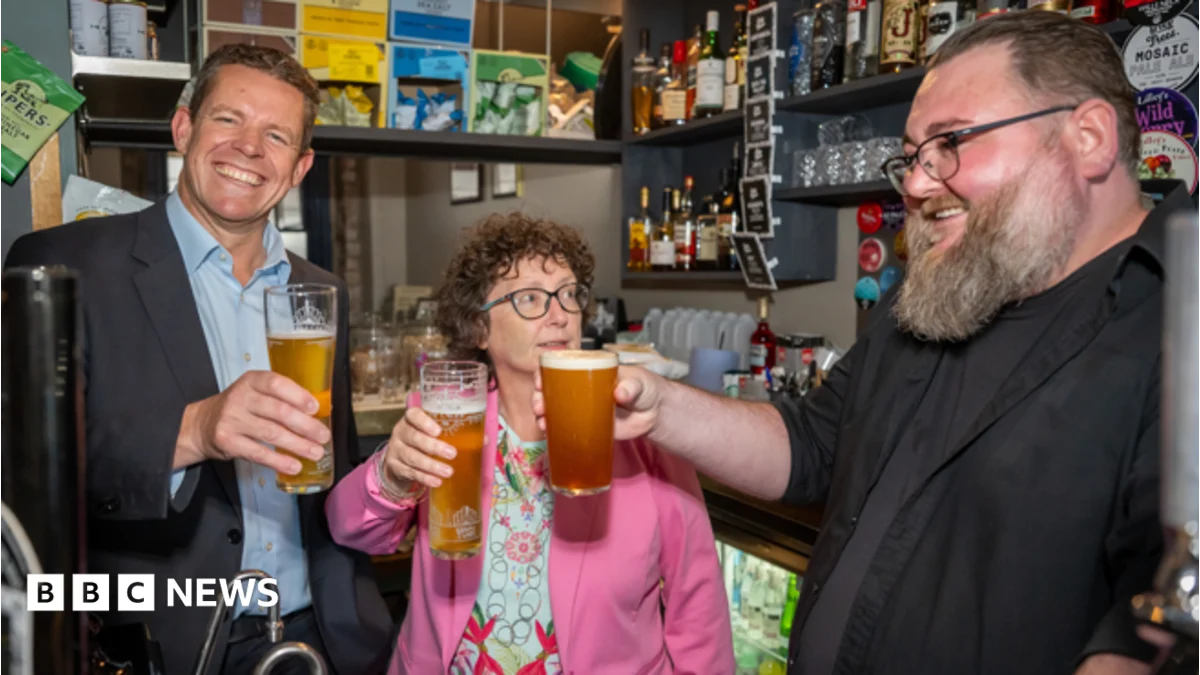
 Nakalama John
 atisusanti
 Roy Suryo
 Nana Banana