
 Nakalama John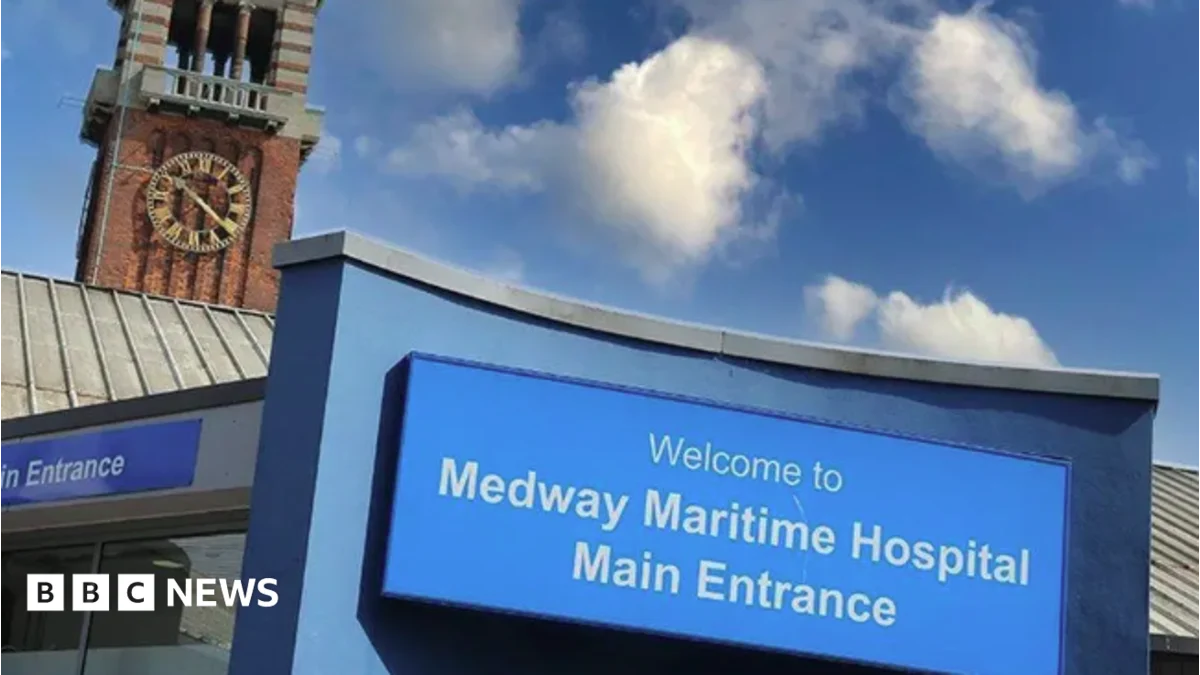
One midwife, speaking anonymously to protect her employment, revealed the immense financial strain she faces daily, stating that she budgets a staggering £250 a month purely for travel to and from work. This figure, representative of many colleagues, underscores the substantial burden of commuting costs, which have escalated with rising fuel prices, increased public transport fares, and the general inflationary environment. For a professional dedicating their life to caring for others, such a significant portion of their monthly income being absorbed by the necessity of getting to work speaks volumes about the inadequacy of current pay scales and the lack of accessible, affordable housing options close to the hospital.
"They’re kicking us whilst we’re down, and I could get more as a cleaner," the midwife lamented, articulating a widespread sentiment of disillusionment among her peers. This feeling of being undervalued is not merely anecdotal; it reflects years of real-terms pay stagnation for NHS staff, eroding their purchasing power and making their demanding professions increasingly financially unsustainable. The comparison to cleaner wages, while perhaps an exaggeration for emotional impact, powerfully conveys the perceived disrespect for their highly specialised skills and extensive training. The indignity is palpable: professionals entrusted with bringing new life into the world, and ensuring the health and safety of mothers and babies, find themselves contemplating less skilled work for better remuneration.
The revelation that some staff are undertaking "cash-in-hand work in pubs" is particularly jarring. "It sounds ridiculous," she continued, expressing the absurdity of the situation. "How can you be such a qualified professional, but you’re getting more money pulling pints behind a bar?" This isn’t just about extra cash; it’s a desperate measure born of necessity, forcing individuals to juggle multiple jobs, often outside their professional sphere, simply to cover essential living expenses. The irony is stark: while a midwife’s role demands years of rigorous education, continuous professional development, immense responsibility, and often life-or-death decision-making, the immediate financial reward for a few hours behind a bar can sometimes surpass the hourly rate for their primary, critical profession. This situation raises serious questions about the societal value placed on healthcare and the sustainability of a system that relies on the goodwill and sacrifice of its workforce.
In response to the growing concerns, the hospital trust issued a statement regarding car park income, clarifying that all revenue generated from these facilities is allocated first towards maintenance costs, and subsequently "directly into patient care and services." While this explanation aims to reassure the public that funds are being utilised for the hospital’s core mission, it does little to alleviate the immediate financial pressures felt by staff who may also face charges for parking their vehicles at their workplace. For many, the cost of parking adds another layer to their monthly expenses, further exacerbating their struggle to make ends meet. The perception gap between management’s financial priorities and the lived experience of front-line staff remains a significant point of contention, contributing to low morale and a feeling of being unheard.
The impact of financial austerity at Medway Maritime Hospital extends far beyond individual staff members’ bank accounts. The midwife further explained that reducing bank shift wages – a common strategy for trusts aiming to cut costs – has created a cascade of operational problems. Bank shifts are crucial for hospitals to maintain adequate staffing levels, particularly during periods of high demand, staff sickness, or unexpected emergencies. By making these shifts less financially attractive, the trust inadvertently discourages staff from picking them up, leading directly to chronic understaffing.
"We’re short-staffed, we’re asking people to work outside of their specialties," she stated, outlining the perilous consequences of these cost-cutting measures. When wards are understaffed, existing personnel are stretched thinner, leading to increased workload, heightened stress, and a greater risk of errors. Furthermore, the practice of asking professionals to work outside their specialties compromises the quality and safety of patient care. A midwife, highly trained in obstetric care, may be asked to cover general nursing duties, or a general nurse might be deployed to an unfamiliar specialist ward. This not only puts patients at risk due to a lack of specific expertise but also places immense pressure on staff, forcing them into roles for which they may not feel adequately prepared or competent, eroding their professional confidence and increasing burnout rates.
This cycle of understaffing and overstretching also contributes significantly to a wider recruitment and retention crisis within the NHS. Experienced professionals, facing unsustainable workloads and poor compensation, are increasingly choosing to leave the service, either for better-paid roles in the private sector, abroad, or exiting healthcare entirely. This brain drain further exacerbates staff shortages, creating a vicious cycle that ultimately impacts the long-term viability and effectiveness of essential services like those provided by Medway Maritime Hospital.
The financial plight of Medway Maritime Hospital is not isolated. Medway Council deputy leader Teresa Murray has voiced serious concerns, expressing her intention to meet with hospital leadership to discuss the escalating issues. "The hospital has a £47m deficit and this is their decision to make, but overall, this is not making anything any better," Murray commented, highlighting the precarious financial position of the trust. A deficit of £47 million represents a significant financial challenge, often leading to difficult decisions regarding resource allocation and cost-cutting. However, as Murray astutely points out, measures taken to address this deficit, such as reducing staff wages or making bank shifts less appealing, may inadvertently worsen other critical problems.
Such short-sighted financial strategies can be a false economy. While they might appear to save money in the immediate term, they can lead to increased reliance on more expensive agency staff to fill gaps, higher rates of staff sickness and burnout, and a decline in overall morale and patient care quality. Ultimately, these factors can incur greater costs in the long run, both financially and in terms of public trust and the health outcomes of the community. The deputy leader’s intervention underscores the community-wide impact of the hospital’s struggles and the need for a collaborative approach involving local authorities, healthcare leadership, and staff representatives to find sustainable solutions.
The challenges at Medway Maritime Hospital are symptomatic of broader systemic issues facing the NHS across the United Kingdom. The increasing demand on healthcare services, an aging population with complex health needs, the rising costs of medical technology and pharmaceuticals, and historical underfunding have all contributed to a strained system. Against this backdrop, the national cost of living crisis has pushed many ordinary families to breaking point, and healthcare workers, despite their vital contributions, are not immune. Their struggles for basic financial security highlight a societal paradox: professions deemed essential and requiring immense skill and dedication are often among the least adequately compensated.
Addressing this crisis requires a multi-faceted approach. Beyond immediate discussions between local authorities and hospital management, there is a clear need for a national re-evaluation of NHS pay structures to ensure that healthcare professionals are fairly compensated for their invaluable work. Investment in affordable housing initiatives near major hospitals could also alleviate significant financial burdens for staff. Furthermore, a comprehensive strategy for sustainable NHS funding, coupled with robust workforce planning, is essential to stem the tide of staff departures and ensure that hospitals like Medway Maritime can continue to provide high-quality, safe patient care without pushing their dedicated employees to the brink. The current situation, where highly qualified professionals must resort to secondary employment to survive, is not only an indictment of the system but a profound disservice to those who serve the public’s health with unwavering commitment.




 atisusanti
 Nana Banana
 George Anjay

 Ramos Leo