
 Nakalama John
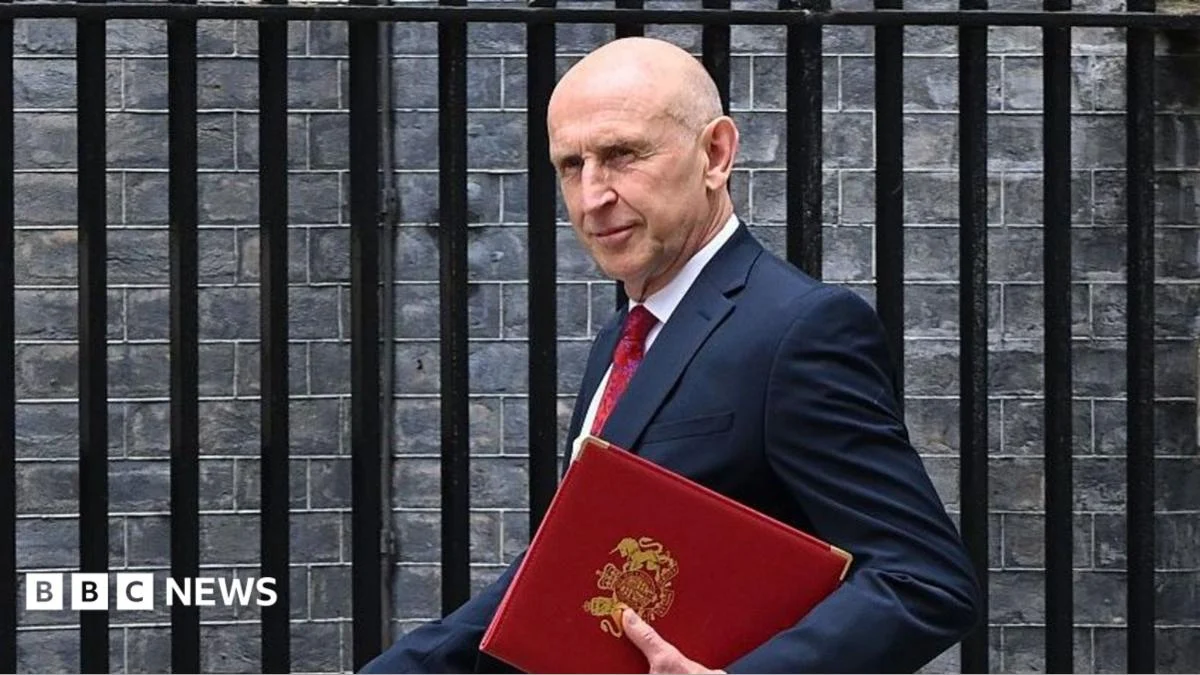
The upcoming Budget is poised to deliver a significant injection of over £1 billion for social and affordable housing across England, a move that will push the government’s extensive 10-year homes programme beyond the £40 billion mark. This substantial commitment underscores a renewed focus on tackling the nation’s persistent housing crisis, aiming to provide much-needed relief in a market increasingly unaffordable for many. Beyond direct funding, the Budget is also set to empower local authorities by enabling them to borrow money from the government at preferential interest rates, specifically earmarked for investment in house-building. This initiative seeks to unlock stalled projects and encourage a more proactive approach to housing development at a local level, addressing the varied needs of communities across the country.
A cornerstone of Wednesday’s announcement will be a broad-ranging package of measures designed to grant greater powers and funding to mayors and regional leaders across England. This strategic shift is intended to devolve decision-making authority away from Whitehall, fostering a more responsive and locally tailored approach to investment and development. Chancellor John Healey articulated this vision, stating that English cities and regions would be granted the "right to decide their own future," signaling a profound change in the central-local government dynamic. Prime Minister Andy Burnham echoed this sentiment, emphasizing that the plans are fundamentally about "shifting power to those who know their communities best," recognizing the unique insights and priorities of local populations.
This devolution agenda is set to kick off with an initial £285 million in transitional seed funding, which will be allocated by the government next year. This funding is designed to support mayors and local leaders in establishing their enhanced roles and capacities, significantly reducing their reliance on the often-criticized "fragmented bidding pots" that have traditionally characterized funding applications to Whitehall. The Treasury confirmed that this initial investment aims to streamline funding processes, making them more efficient and predictable for local authorities. Further cementing this long-term commitment, the government will also confirm its intention to work with mayors to design a new £1.5 billion borrowing facility, accessible from 2028. This substantial capital facility would enable regional leaders to access the necessary funds to support a wide array of local priorities, ranging from the construction of new homes and the revitalization of High Streets to critical improvements in transport links.
Chancellor Healey elaborated on the rationale behind this decentralization, asserting, "Mayors and local leaders know what their communities need to grow, which is why we are giving them more money, more power and more capacity to get projects moving, build homes and make the right decisions for their areas." This statement encapsulates the government’s belief that empowering local decision-makers will lead to more effective and impactful development. Even areas across the country that are not yet designated as strategic authorities will benefit, gaining access to a share of the £285 million seed funding to "unlock projects which will contribute to growth in their areas," ensuring that the benefits of devolution are widely distributed. The Prime Minister, in a robust declaration, stated, "I’m calling time on local leaders going cap in hand to Westminster. That is no way to run a country," underscoring a commitment to fundamentally alter the relationship between central and local government.
The proposed devolution package has been met with enthusiasm from key regional figures. Claire Ward, chairwoman of the UK Mayors Network and Labour’s East Midlands mayor, expressed optimism that having the "right powers and resources through increased devolution" would be instrumental in turning "ambitious plans into reality and deliver real, lasting change" for communities. Lord Sadiq Khan, Labour’s mayor of London, highlighted how greater ability to invest locally could "help unlock transformational infrastructure projects" within the capital. He specifically cited potential advancements for the West London Orbital route, the crucial extension of the Bakerloo Underground line and the Docklands Light Railway, and the further development of Stratford International station, projects vital for London’s continued growth and connectivity.
Beyond housing and regional empowerment, the Budget will also extend a helping hand to the nation’s brewing industry. Chancellor Healey is set to announce fresh support for small breweries, a move the Treasury described as an effort to "turn the tide for our pint producers." This intervention comes at a critical time for the sector, which has faced significant challenges in recent years, including escalating energy costs, changes in consumer habits, and intense competition. The announcement follows recent news of 310 jobs being at risk at the historic Marston’s Brewery in Burton-upon-Trent, a development that resonated deeply within the industry and local communities. The issue of job losses at Marston’s, triggered by Carlsberg Britvic’s plans to shut down operations at the venerable brewing site, was even raised during Prime Minister’s Questions earlier this week, highlighting its national significance and the government’s recognition of the cultural and economic importance of British breweries.
Meanwhile, the contentious issue of defence spending continues to loom large in the political discourse surrounding the Budget. Shadow Chancellor Andrew Griffith has publicly challenged Chancellor Healey, stating that he should resign if he fails to commit to outlining a clear plan for the UK to spend 3% of its GDP on defence by 2030. This demand is particularly pointed given Healey’s own history; he resigned from his role as defence secretary in the previous government in June over the defence investment plan, which he vehemently claimed fell "well short" of what was necessary to adequately fund the armed forces. At the time, Healey had advocated for defence spending to increase to 3% of the country’s GDP by 2030, with a long-term aspiration to reach a Nato target of 3.5% in 2035.
Griffith intensified his criticism, stating, "We are living in an era of extraordinary threats, and yet the chancellor is dithering over finding the money to pay the country’s insurance premium… you cannot have a strong economy without a strong defence." This argument underscores the opposition’s view that national security is intrinsically linked to economic stability, particularly in the current volatile global climate characterized by conflicts and geopolitical tensions. Responding to Andrew Griffith’s comments, Defence Secretary Wes Streeting deflected blame, asserting that the Conservatives were responsible for failing to invest adequately in the military during their time in office. Streeting affirmed the government’s commitment, stating that the prime minister had made it unequivocally clear that his administration was "determined to give our armed forces the investment needed to keep us safe."
Adding another dimension to the economic debate, Alex Depledge, the departing Treasury entrepreneurship adviser, voiced sharp criticism regarding the government’s approach to start-ups ahead of her final day in the role. In an interview with the Sunday Times, Depledge contended that start-ups were being treated as a "sideshow" and were being pushed to the "margins of economic policy." Her critique highlights a perceived disconnect between the government’s rhetoric about innovation and its practical support for nascent businesses crucial for future growth. "Keeping scale-ups on the fringes underestimates the contribution of our greatest companies, and we need to support and develop them on British shores at all costs," she warned. This admonition serves as a reminder of the vital role that emerging businesses play in driving economic prosperity, creating jobs, and maintaining the UK’s competitive edge on the global stage, urging the government to prioritize their needs within the broader economic framework presented in the Budget.




 George Anjay

 atisusanti

 Ramos Leo

 Roy Suryo

 Nana Banana
