Roy Suryo
Obesity rates have doubled in England since 1993, a stark indicator of a public health crisis that successive governments have struggled to contain. This alarming trend means that if obesity levels had remained static, seven million fewer adults would be classified as obese today. The current figures reveal a staggering 14 million adults living with obesity, despite the implementation of 14 distinct obesity strategies over the past three decades, highlighting a significant disconnect between policy pronouncements and tangible outcomes. The effectiveness of these strategies is clearly lacking, prompting an urgent need to understand the underlying causes of this escalating problem and to explore viable solutions.
New analysis from the King’s Fund underscores the severity of the situation, revealing that in 1993, approximately 15% of England’s adult population, defined as individuals aged 16 and over, were obese. By 2024, this figure had surged to a record high of 30%. The data further indicates that the most rapid increase in obesity rates is occurring among young adults aged 16 to 24. In 2024, 18% of this demographic are classified as obese or severely obese, a dramatic rise from a mere 6% in 1993. When accounting for population changes, this translates to one million young adults in England currently living with obesity, an increase of 700,000 compared to what would have been expected if obesity rates had not escalated over the past thirty years.
Dave Buck, a senior fellow for public health at the King’s Fund, described this surge as "clearly worrying" and criticized governments for "talked the talk, but not sufficiently walked the walk" in their efforts to tackle obesity. He further emphasized that this analysis exposes the extent of the failure to implement the necessary actions to address this "obesity timebomb."
Several interconnected factors contribute to the dramatic rise in obesity rates over the last three decades, including profound shifts in dietary habits and significant changes in food prices. The economic landscape has evolved, with a greater emphasis on service industry or "white collar" jobs and a decline in traditional manufacturing and manual labour. This transition has led to a workforce increasingly engaged in sedentary office roles, resulting in prolonged periods of sitting rather than physical activity.
Concurrently, food prices have experienced a relative decline since the 1990s. This affordability, coupled with increased competition among major supermarket chains and the proliferation of fast-food outlets and home delivery services, has made less healthy food options more accessible and appealing. Buck explained to the BBC that these changes have made it "far easier to over-consume or consume in ways that add to our weight." He elaborated on the convenience of modern living, stating, "With things like deliveries, it’s very easy and convenient now to click a button and you get a takeaway at your door, so we’re making it much easier to have high fat, high salt and high sugar foods."
The availability of takeaways high in fats, salt, and sugar is particularly prevalent in areas of high deprivation, where residents are disproportionately at a greater risk of obesity. Furthermore, less healthy food items within supermarkets have become cheaper relative to their price three decades ago. This economic reality, exacerbated by successive cost-of-living crises in recent years, means that healthier, more nutrient-dense foods are often less affordable for many households.
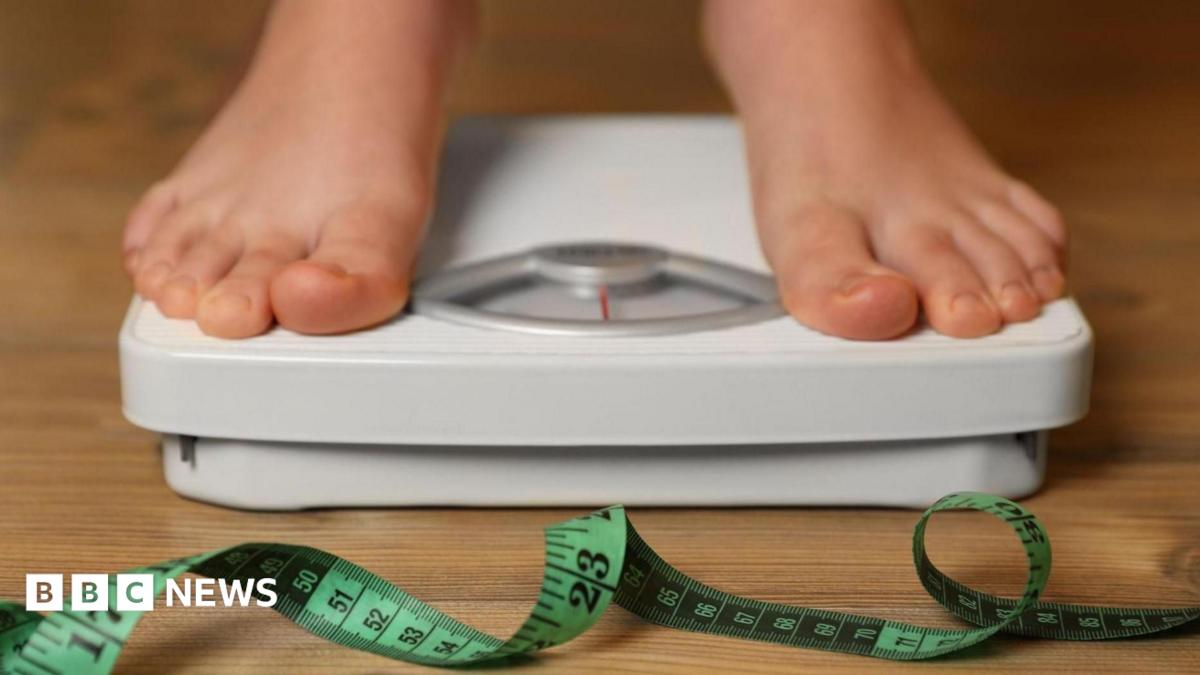
The profound health implications of obesity are well-documented. It serves as a significant risk factor for a spectrum of chronic conditions, including type 2 diabetes, heart disease, high blood pressure, osteoarthritis, and certain types of cancer. Economically, the burden of obesity and being overweight is substantial, with estimates suggesting it costs the UK economy approximately £126 billion annually. Of this considerable sum, an estimated £12 billion is attributed to the National Health Service (NHS), representing roughly 7% of its annual budget.
Since 1992, the year preceding the initial collection of obesity data in England, a remarkable 14 national obesity strategies have been published. Despite this sustained governmental attention, campaigners argue that progress has been agonizingly slow, leading to increasing calls for more robust and decisive interventions.
Previous administrations have attempted various measures. Tony Blair’s government introduced a ban on junk food advertising during children’s television programming, though some critics advocated for a more comprehensive ban. Gordon Brown, upon becoming Prime Minister in 2007, launched a strategy aimed at reversing the "rising tide of obesity." The Conservative government implemented a UK-wide levy on high-sugar soft drinks in 2018, a policy that successfully prompted several manufacturers to reduce sugar content in their products to fall below the threshold.
In his final weeks in office in 2016, then-Prime Minister David Cameron considered more stringent measures, including a potential ban on "buy one get one free" deals for unhealthy products in supermarkets and restrictions on television advertising for junk food and high-sugar items. However, these proposals were not pursued, with subsequent governments, including those led by Theresa May and Boris Johnson, citing various reasons, including the disruption caused by the pandemic and concerns about fairness to shoppers during periods of high inflation.
More recently, in January of this year, the Labour government enacted a ban on junk food advertising before 9 PM on television and at any time online, a policy that had been under consideration for nearly a decade. Further plans to curb the sale of unhealthy food items, first pledged by Labour in 2024, are still pending implementation. A recent select committee report has also urged ministers to adopt more proactive measures, such as preventing fast-food outlets from opening in close proximity to schools.
The landscape of obesity treatment is also evolving with the increasing availability and use of weight loss drugs, such as GLP1 agonists. Currently, eligibility for medications like Wegovy on the NHS is restricted to adults with a BMI of at least 35 who also have at least one pre-existing weight-related health condition. Individuals with cardiovascular disease who are classified as overweight, but not obese, may also be prescribed the drug. Mounjaro has been accessible through specialist NHS weight-loss clinics in England and Wales since March 2025. It is noteworthy that many individuals opt to purchase these medications privately. The prospect of a new daily pill, already available in the US, could also soon be launched in the UK, offering another avenue for treatment.
The Department of Health and Social Care maintains that weight loss drugs are but one component of a broader strategy. They emphasize the importance of tackling the promotion of less healthy food and drink, increasing physical activity, and encouraging healthier dietary choices as crucial elements in addressing obesity. Earlier this year, England’s Chief Medical Officer, Prof Sir Chris Whitty, cautioned against viewing medication as the sole solution, stating it would represent a "societal failure" if lifelong medicating of individuals became the primary response to obesity. He pointed to the success of countries like France, which have managed to maintain stable obesity levels, as a testament to effective public health strategies. The critical question now is whether England will learn from these international examples and implement comprehensive, long-term solutions to reverse the concerning trend of rising obesity rates.



 Nakalama John
 atisusanti
 Ramos Leo