
 Roy Suryo
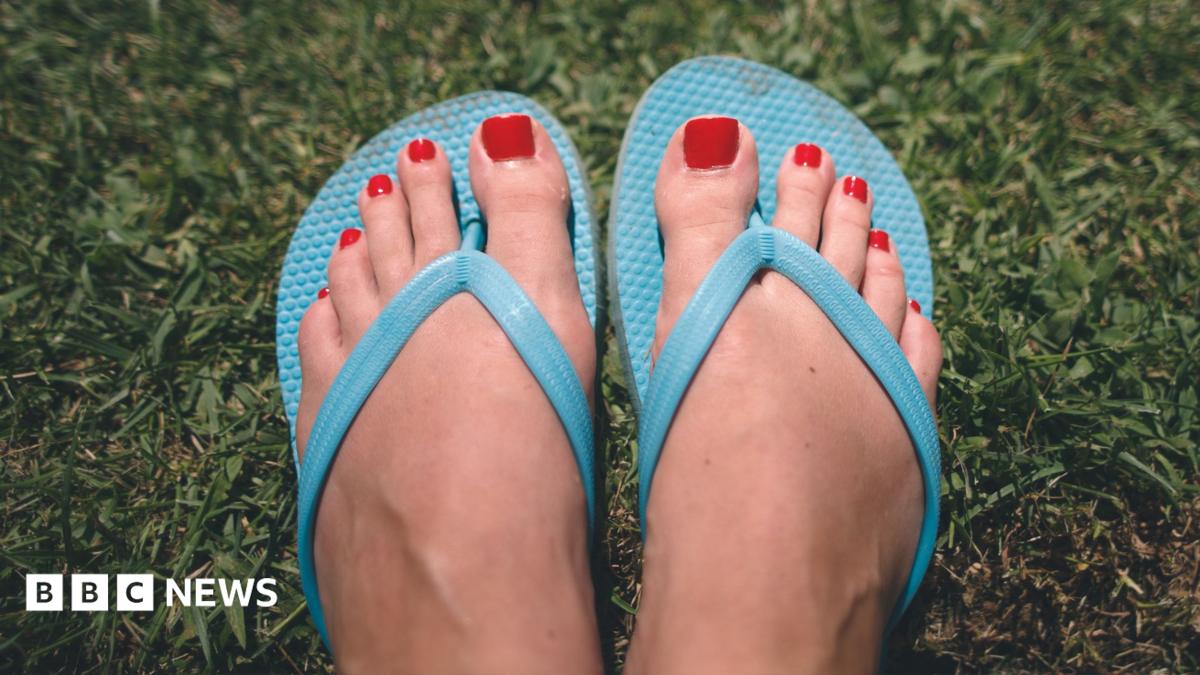
Flip-flops have long been the go-to footwear for beating the summer heat, offering a breezy respite for tired feet. This season, they’ve received a stylish upgrade, with fashion expert and trend forecaster Angela Baidoo noting that kitten-heeled versions are the height of chic. "It’s not a high heel and it’s really kind of easy to just slip in and slip out of," she remarks. However, the humble flip-flop has also garnered a reputation for offering minimal support and potentially harming our feet. Is this criticism entirely justified?
Why your summer shoe could be bad for you
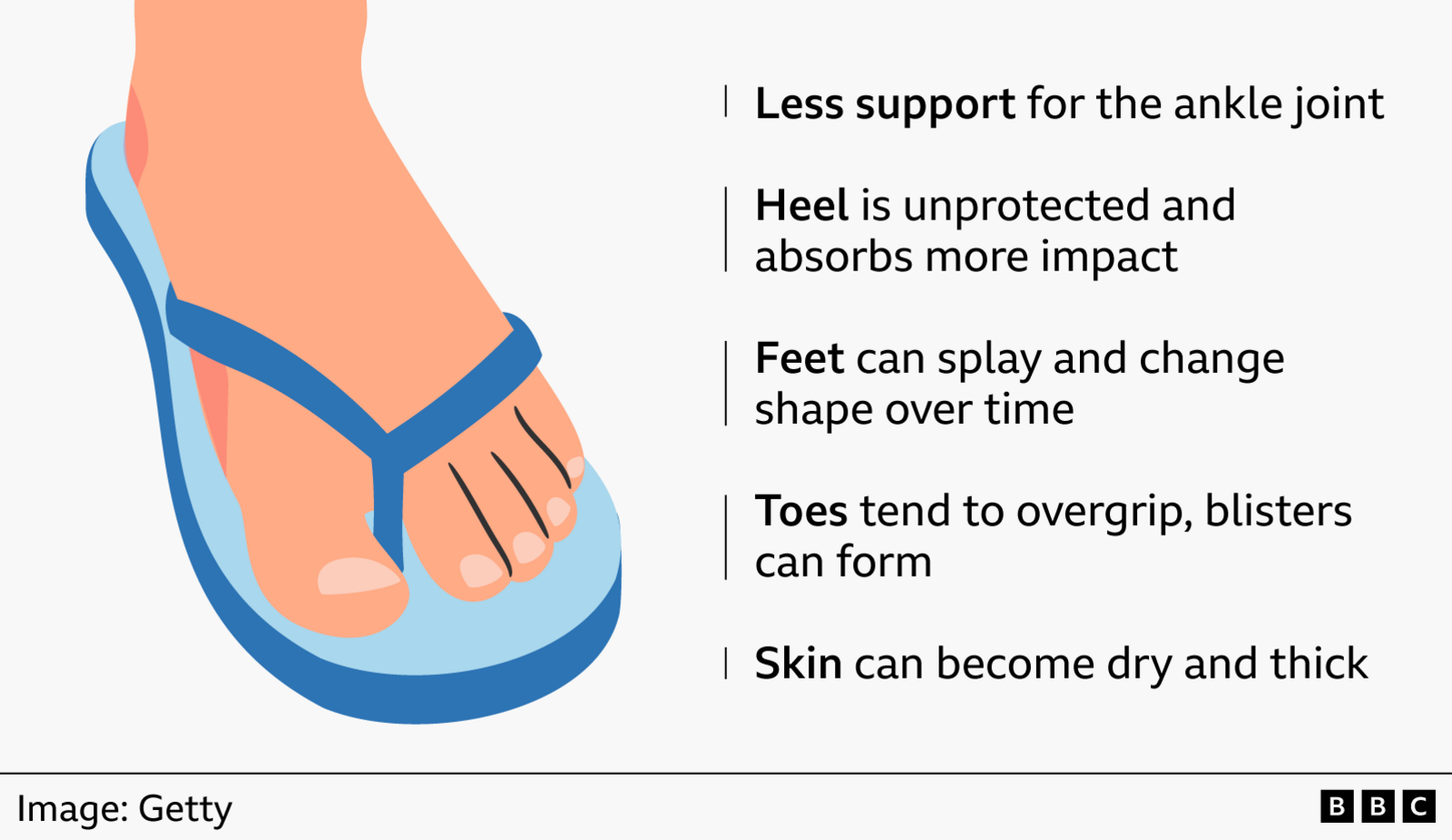
While stylish, the traditional flip-flop often lacks crucial support for the ankle joint, leaving the heel unprotected and more susceptible to impact. This can lead to feet splaying and changing shape over time, with toes often overgripping to compensate, increasing the risk of blisters and calluses. The exposed nature of flip-flops also makes skin prone to dryness and thickening.
Angela Baidoo explains that "in terms of arch support and joint support, it’s not the best style, but people are investing a bit more, getting their flip-flops customised, because it’s something that is just so easy to wear."
However, podiatrist Dr. Helen Branthwaite, chief clinical adviser at the Royal College of Podiatry, argues that it’s "not accurate" to broadly condemn flip-flops. The real issue, she clarifies, arises when transitioning directly from highly structured footwear to prolonged wear of flip-flops. This sudden shift places greater strain on the foot, increasing vulnerability to injury.
Dr. Branthwaite elaborates, "The foot does start to change shape and tends to splay a little bit over time." She offers a compelling analogy: "A good analogy is if you were to wear a corset all the time and then took the corset off, everything would sort of all hang out, so to speak." This highlights how prolonged use of supportive shoes can condition the feet, making them less equipped to handle the lack of support in minimal footwear.
So, what are the more stylish and foot-friendly alternatives available for the summer months?
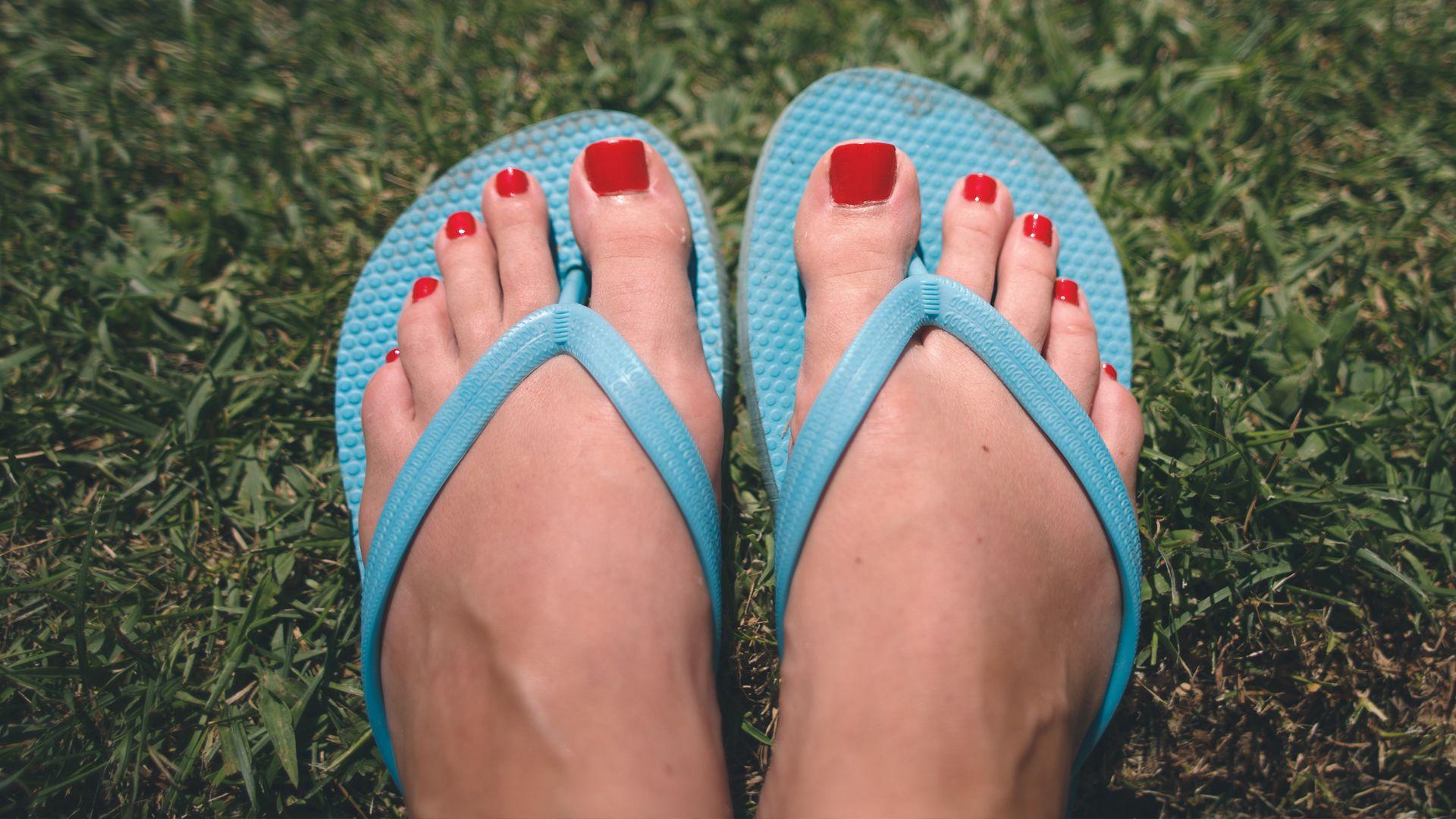
How to find healthy sandals
Baidoo suggests opting for more supportive flip-flop styles, such as those from brands like FitFlop, which are designed with sturdier construction and contoured footbeds, a significant improvement over the thin, flat versions cut from a single sheet of foam.
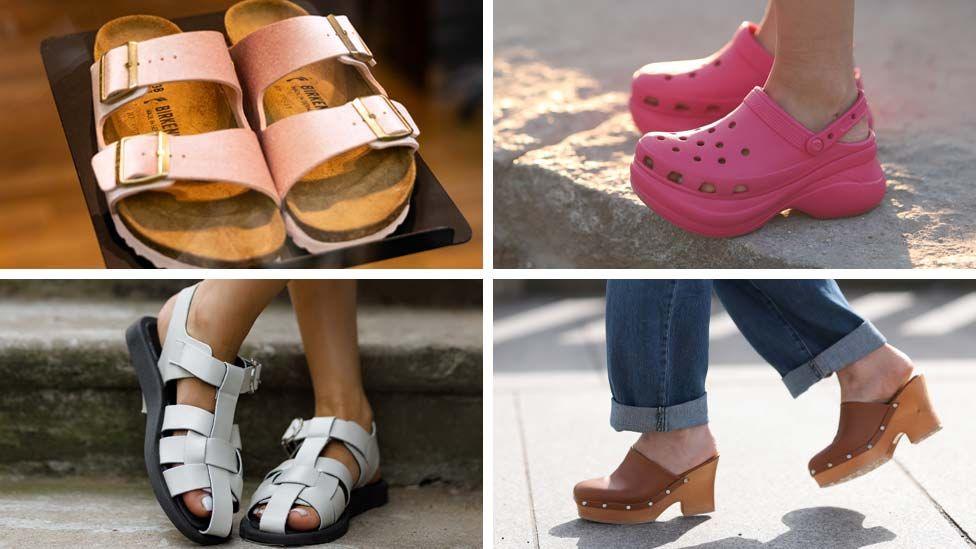
For the fashion-forward Gen Z crowd, sliders are becoming passé, with Crocs now taking centre stage. While perhaps considered "anti-fashion shoes," they are lauded for their exceptional comfort and "orthopaedic" design. Similarly, footbed sandals like Birkenstocks offer comparable benefits, prioritizing foot health with their anatomically shaped insoles.
The classic wooden clog is also experiencing a resurgence. Traditionally worn by professionals who spend all day on their feet, such as doctors and chefs, these offer a sturdy and supportive option. Baidoo points to Scholl slider mules as the original orthopaedic shoe, even admitting to once owning a pair in a vibrant pink suede.
Wedges also emerge as a practical choice for warmer weather. Baidoo notes that among her friends and clients in the plus-size community, wedges are often favoured for their comfort and ability to create an aesthetically pleasing silhouette for the ankle, providing consistent support throughout the shoe.
For those seeking a blend of retro charm and practicality, the fisherman-style sandal presents an intriguing option. Evoking a 1970s academic vibe, these sandals can be worn with socks for a distinct look. Baidoo suggests they serve as an excellent alternative to loafers for men, offering a less casual option than flip-flops that is suitable for a wider range of environments. She also highlights their appeal for women, describing them as a "really cool kind of style to adopt."
The trend towards minimalist barefoot shoes also warrants attention. Dr. Branthwaite emphasizes the importance of a gradual transition into this style of footwear. In other words, it’s not advisable to purchase a pair and immediately embark on an extensive hike. A slow acclimatization period is crucial to allow the feet to adapt to the minimal support.
Expert tips for happy feet
Podiatrist Dr. Helen Branthwaite offers her essential advice for maintaining optimal foot health throughout the summer:
- Listen to your feet: Pay attention to any discomfort, pain, or changes in your feet. Early detection of issues can prevent more significant problems down the line.
- Gradual adaptation: When trying new footwear, especially minimalist or unsupportive styles, introduce them gradually into your routine. Avoid prolonged periods of wear until your feet have adjusted.
- Moisturise regularly: Combat dryness and cracking by applying a good quality moisturiser to your feet daily, particularly after bathing or showering.
- Proper nail care: Keep toenails trimmed straight across to prevent ingrown toenails. Avoid cutting them too short or rounding the edges.
- Stay hydrated: Adequate water intake is crucial for overall skin health, including the skin on your feet.
- Consider orthotics: If you experience persistent foot pain or have specific biomechanical issues, consult a podiatrist about custom orthotics that can provide targeted support.
- Alternate your footwear: Avoid wearing the same pair of shoes every day. Rotating between different styles allows your feet to recover and reduces repetitive stress.
- Check for fungal infections: Warm, damp environments can encourage fungal growth. Inspect your feet regularly for signs of athlete’s foot or other infections and seek treatment if necessary.
- Gentle exfoliation: For rough or callused skin, gentle exfoliation with a pumice stone or foot file can help to smooth the skin, but avoid overdoing it, which can cause irritation.
- Choose breathable materials: Opt for footwear made from natural, breathable materials like leather or canvas, which allow air circulation and help to keep feet cool and dry.
By embracing a mindful approach to footwear selection and incorporating these expert tips, you can ensure your feet remain healthy, comfortable, and stylish throughout the summer months, no matter your preferred sandal style.




 Nakalama John
 atisusanti
 Ramos Leo
