Roy Suryo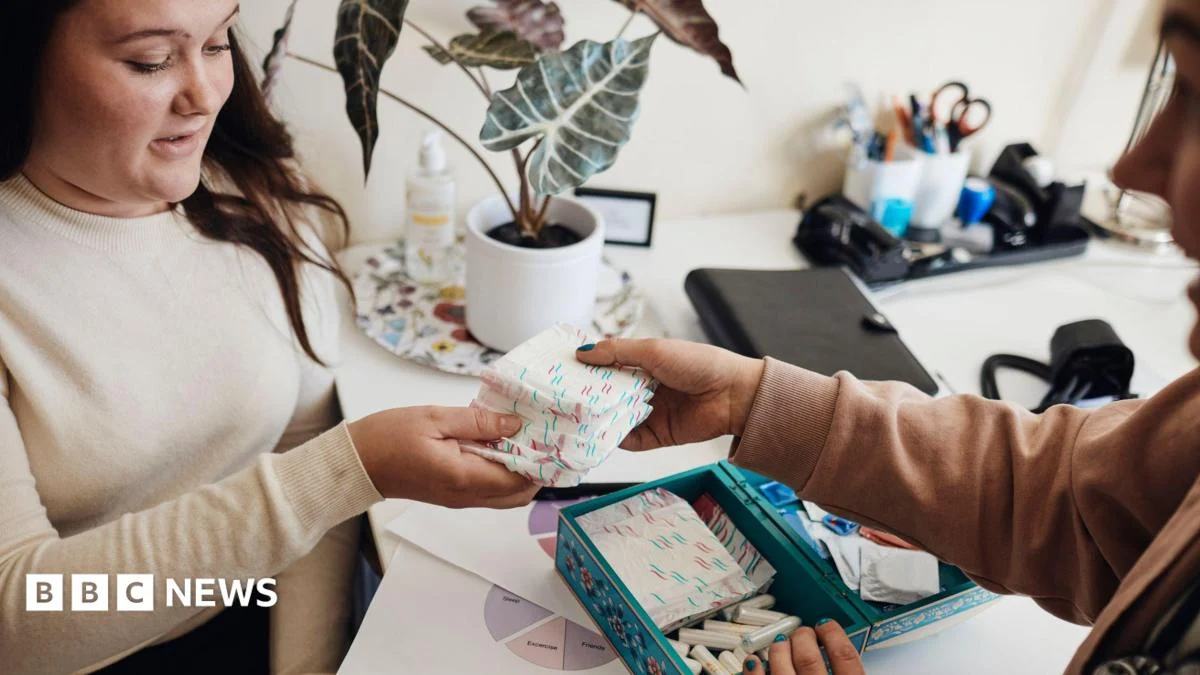
In a significant shift of intergenerational knowledge transfer, a growing number of Gen Z women are becoming the educators in their families, specifically regarding menstrual health, period management, and the concept of cycle syncing. This movement is born from a newfound openness and accessibility of information, largely fueled by social media, which is empowering young women to understand and discuss their bodies in ways that were previously taboo or simply unavailable to older generations. The implications of this are far-reaching, potentially reshaping how menstrual health is perceived and managed across families and society.
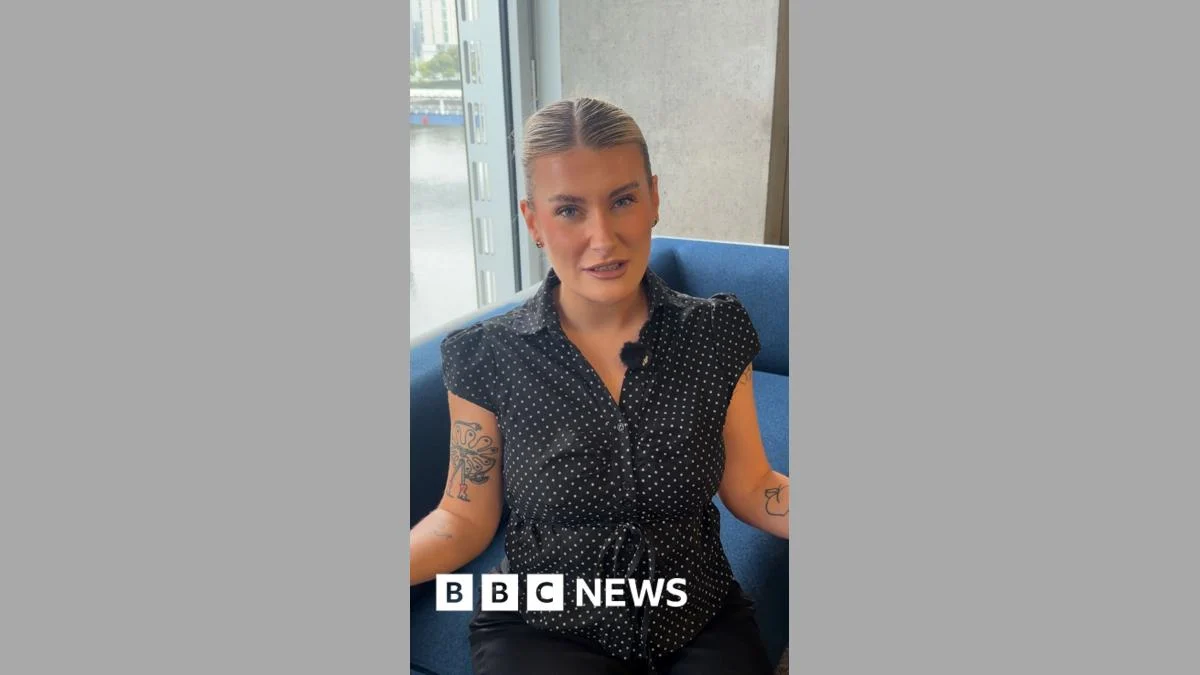
One poignant example of this generational exchange comes from Iqra Wasim, a resident of Fishponds in Bristol. For Iqra, the journey into understanding her own menstrual health began at the tender age of 11, when she started experiencing debilitating symptoms of Premenstrual Dysphoric Disorder (PMDD). PMDD, a severe form of premenstrual syndrome, affects approximately one in eight women and is recognized as a significant contributor to female infertility. Its symptoms can be wide-ranging and profoundly impact quality of life, including irregular menstrual cycles, the growth of excessive hair (hirsutism), and noticeable weight gain.
Iqra’s own quest for understanding was a multi-pronged effort, involving diligent questioning of medical professionals and extensive exploration of online resources. It was through this proactive engagement that she not only gained clarity about her own condition but also became equipped to guide her mother, who also experiences PMDD. This is where the generational knowledge gap became starkly apparent.
“My mum was going through heavy bleeding with her PMOS and didn’t know what birth control was,” Iqra shared, highlighting a critical deficit in reproductive health education. Her mother’s initial reaction to the mention of birth control was one of confusion, associating it solely with sexual activity. Iqra patiently explained the broader medical applications of such treatments, revealing a profound chasm in their understanding. “I told her about it and she thought I was talking about being sexually active, but I explained there’s so much more to the medicine – that showed the main knowledge gap between us.”
This anecdote underscores a broader societal shift. Iqra elaborated on how knowledge about periods and related conditions in her mother’s generation was often confined to hushed conversations within the family, between women, or solely with doctors. This limited dissemination meant that many women navigated their reproductive health in isolation, without the benefit of shared experiences or accessible information. In contrast, today’s digital landscape allows for a much wider dissemination of personal stories and medical insights. “My mum’s generation did have knowledge, but it only stayed between women, families or doctors and now someone can talk about their period and PMOS online and millions of women can relate to it.”
The willingness of Gen Z to question and seek information is a defining characteristic of this demographic. They are more inclined to ask if their experiences are normal, a crucial step in seeking help and validating their concerns. “Our generation is more willing to ask whether something is normal,” Iqra stated. However, she also offered a vital caveat, emphasizing the importance of distinguishing between online communities and professional medical advice. “But I don’t think that social media is a replacement for a medical professional,” Wasim added, underscoring the need for a balanced approach that leverages digital resources while prioritizing expert guidance.
The impact of this intergenerational knowledge sharing is also evident in entrepreneurial ventures. Caroline Herman, along with her daughter, co-founded ‘All Yours Period Box,’ a social enterprise based in Wiltshire. This initiative not only provides essential period products but also donates boxes to foodbanks, addressing period poverty. Caroline’s perspective further illuminates the deep-seated nature of the generational divide in menstrual health education.
“We have a generational gap in the country,” Caroline observed, echoing Iqra’s sentiment. She believes that “there is still ‘a huge amount of work to be done’ to improve menstrual health education.” Her own experience growing up exemplifies the silence that pervaded discussions about menstruation. “We have generations like mine where we weren’t taught anything to do with our periods and then there’s our parents – there was this layer of silence that we’ve had to fight our way through.” This struggle to break through societal silence and access basic information about their own bodies is a shared narrative for many women of Caroline’s generation.
The concept of cycle syncing, which involves aligning diet, exercise, and lifestyle choices with the different phases of a woman’s menstrual cycle, is a prime example of the new knowledge being disseminated. While not a medical treatment for conditions like PMDD, it offers a holistic approach to managing symptoms and optimizing well-being. Gen Z women, having encountered this information through influencers, online health communities, and wellness blogs, are now introducing these concepts to their mothers, who may have previously had no framework for understanding their bodies in such a cyclical manner.
The menstrual cycle, typically around 28 days, is broadly divided into four phases: menstruation, the follicular phase, ovulation, and the luteal phase. Each phase is characterized by distinct hormonal fluctuations – estrogen and progesterone – which influence various bodily functions, including mood, energy levels, metabolism, and physical symptoms. Cycle syncing suggests that by understanding these hormonal shifts, women can tailor their activities to better support their bodies.
During menstruation, for instance, hormone levels are low, often leading to fatigue and increased sensitivity. Cycle syncing advice might suggest prioritizing rest, comfort, and nutrient-rich foods. As estrogen rises during the follicular phase, energy levels typically increase, making it an opportune time for more vigorous exercise and focused work. Ovulation, marked by a peak in estrogen, can be a period of heightened physical and emotional energy. Finally, the luteal phase, as progesterone levels rise and estrogen declines, can bring about premenstrual symptoms. Strategies here might include incorporating stress-reducing activities and focusing on magnesium-rich foods.
The novelty of this approach for older generations lies in its proactive and individualized nature. Many mothers and grandmothers of Gen Z women likely experienced their periods as a monthly inconvenience or a source of pain and discomfort, with little guidance on how to actively manage or mitigate these effects beyond basic hygiene and over-the-counter pain relief. The idea of actively working with their cycle, rather than simply enduring it, represents a significant paradigm shift.
The role of social media platforms like TikTok, Instagram, and YouTube cannot be overstated in this phenomenon. These platforms have become vast repositories of information, often presented in easily digestible formats such as short videos, infographics, and personal testimonials. Hashtags like #cyclesyncing, #periodtok, and #womenshealth have garnered millions of views, creating a vibrant online ecosystem where women of all ages can learn, share, and connect.
However, the digital realm also presents challenges. The proliferation of misinformation is a genuine concern. While Gen Z’s willingness to question is a positive attribute, it’s crucial that this questioning extends to verifying the credibility of online sources. As Iqra rightly pointed out, social media should supplement, not supplant, the advice of qualified healthcare professionals. The education of mothers by their daughters, therefore, often involves not only sharing new information but also navigating the complexities of digital information and encouraging critical evaluation.
The conversation is also moving beyond just managing symptoms to a deeper understanding of the menstrual cycle as a fundamental aspect of female physiology, intricately linked to overall health and well-being. This includes discussions about hormonal balance, fertility awareness, and the impact of lifestyle choices on menstrual health. For mothers who may have experienced irregular periods or fertility issues without a clear explanation, the insights gained through cycle syncing and a more open dialogue can be empowering and provide a sense of agency over their health.
The impact of this intergenerational learning is multifaceted. It fosters stronger familial bonds as mothers and daughters engage in conversations that were previously avoided. It empowers women of all ages to take a more active role in their health, leading to potentially better health outcomes. Furthermore, it contributes to destigmatizing menstruation, transforming it from a source of shame or discomfort into a natural and understood biological process.
The work of Caroline Herman and her daughter with ‘All Yours Period Box’ is a testament to the practical application of this evolving understanding. By addressing period poverty, they are not only providing essential items but also contributing to the broader mission of normalizing menstrual health and ensuring that all women have access to the resources and information they need. The generational gap that Caroline described – the silence that her generation had to fight through – is precisely what Gen Z is actively dismantling, creating a more informed and open future for menstrual health. This shift, driven by the digital fluency and proactive curiosity of young women, is a powerful force for change, ensuring that knowledge about periods and cycle syncing is no longer confined to whispers but is openly discussed, understood, and embraced across generations.

 Nakalama John
 atisusanti
 Ramos Leo