atisusanti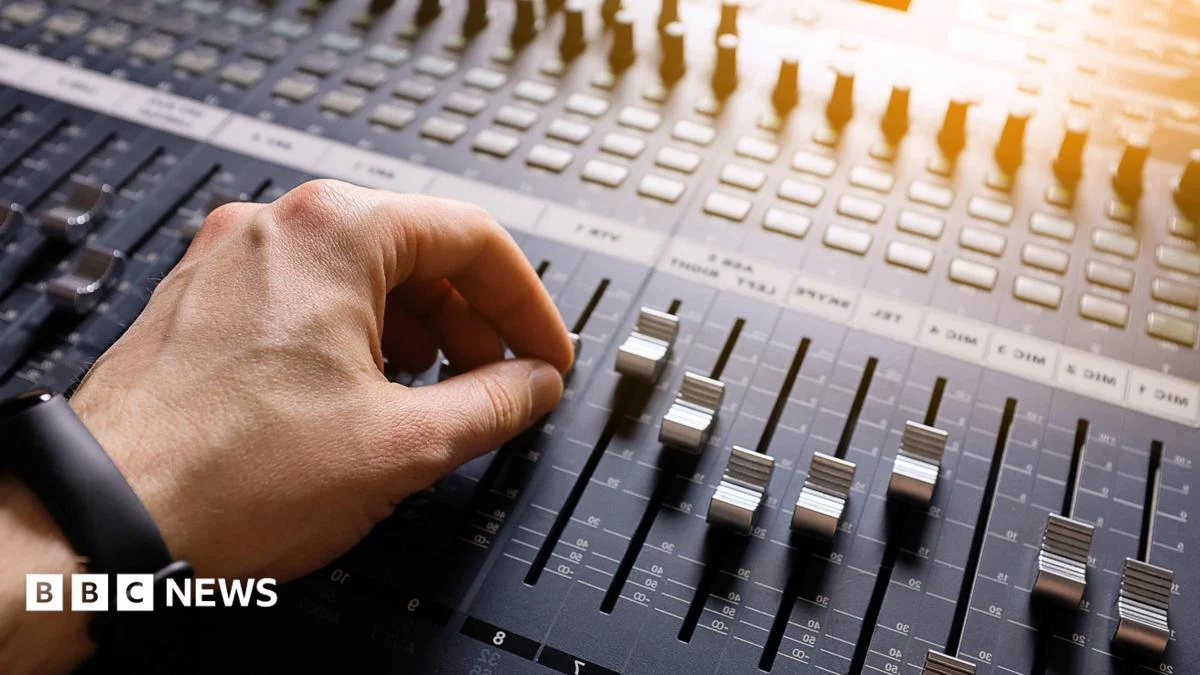
In a landmark decision set to reshape the landscape of popular music, Australia has officially banned songs that are largely or wholly created by artificial intelligence from its official music charts. This decisive move, implemented from this week, mandates that all musical releases must be "substantially human made" to qualify for inclusion, signaling a strong stance in favour of human artistry amidst the burgeoning capabilities of AI in music creation. The Australian Recording Industry Association (ARIA), the peak body representing the recording industry in Australia, articulated that this new code is designed to "promote the human nature of artistry" and safeguard the value of human creativity in the music ecosystem.
The impetus for this stringent policy appears to have been a recent controversy surrounding a cover of Madonna’s iconic hit "Like A Prayer." The track, released by Australian DJ Josh Fawaz, rapidly ascended the charts, topping the ARIA dance singles chart and reaching a remarkable number 2 on the country’s overall music chart. This AI-assisted rendition quickly became a fixture on commercial radio station playlists and garnered an astounding number of streams, exceeding 48 million on Spotify alone. The widespread success of the track, which initially lacked any AI disclosure, sparked a significant backlash, prompting Fawaz to later add generative AI credits to the song.
ARIA’s rationale behind the ban highlights the intensely competitive nature of the modern music market. The organization stated that Australian artists are currently vying for attention "in the most crowded market in history" and emphasized its disinterest in "promoting or celebrating the success of AI-generated music that does not contain human artistry." The new rules, however, are not entirely prohibitive of AI’s role in music production. They allow for AI assistance in certain aspects of song creation, provided that humans retain significant creative control. Specifically, the human element must be present in the songwriting, lead vocal performance, and the playing of primary instruments. AI can still be utilized for technical processes like mastering, as well as for employing tools such as drum machines and auto-tune, which have become commonplace in contemporary music production.
This Australian initiative follows a global trend of music charting bodies grappling with the implications of AI-generated music. Earlier this year, Sweden also banned a song from its music charts due to its AI origins. Furthermore, the International Federation of the Phonographic Industry (IFPI) announced in July its intention to roll out AI guidelines for official charts in Latin America, the Middle East, Africa, and Southeast Asia. ARIA’s updated code is directly influenced by these IFPI directives, and it also incorporates measures to exclude music that raises "stream or chart manipulation concerns," thereby addressing potential avenues for artificial inflation of chart performance.
Annabelle Herd, the chief executive of ARIA, underscored the dynamic nature of the music industry and the necessity of adapting to technological advancements. "These changes reflect our intent to remain dynamic and promote the human nature of artistry in what is, to say the least, a rapidly developing space," Herd stated. She acknowledged that artists are already integrating AI tools into their creative processes and that charts should evolve to accommodate such innovation. However, she drew a clear distinction: "music generated wholesale by services built on artists’ recordings is a different matter." Herd further elaborated on the potential ramifications of embracing AI-generated music without human oversight, asserting, "A chart that rewards unlicensed AI output would undercut the very basis of the recorded music we exist to represent."
The new regulations impose a clear requirement for artists to declare any use of AI when submitting their music for chart consideration. ARIA has also outlined stringent enforcement measures. If it is subsequently discovered that a song was largely AI-generated, ARIA reserves the right to retrospectively adjust chart positions. In cases where an AI-generated song has topped the charts, the organization may even request the return of any awards or accolades received for achieving Number One. Nevertheless, the updated code includes a provision for artists and their representatives to challenge their exclusion from the charts, ensuring a degree of due process.
The move has garnered support from prominent figures within the Australian music scene. The popular Australian electronic act Peking Duk, for instance, publicly backed the decision. Last month, the duo shared an AI-assisted version of their 2014 hit "High" on Instagram, wryly captioning it: "When you re-record your own song with AI so Australian radio will play it." Band member Adam Hyde articulated his concerns about the broader societal impact of AI-generated music, telling Channel Nine’s Today show that such creations were "removing the human experience from life."
The Australian government has also been actively addressing the implications of AI for its creative industries. In July of the previous year, Australian Prime Minister Anthony Albanese pledged to provide "the strongest possible protection" from AI for Australian creatives. Albanese specifically committed to ensuring that writers and musicians would have the autonomy to decide if and how their work is utilized in the training of AI systems. He emphatically stated that it would constitute "theft" if creatives were to lose control over their work and were not compensated for its use in AI development. This comprehensive approach by ARIA, supported by government sentiment, signals a robust defense of human creativity in the face of advancing artificial intelligence in the music industry. The implications of this ban are far-reaching, potentially influencing how AI is integrated into music creation globally and solidifying the value of human authorship and performance in the realm of popular music.




 Roy Suryo
 George Anjay
 Nakalama John
 Ramos Leo