
 atisusanti

Microsoft boss Satya Nadella declared he has not witnessed a cybersecurity emergency of this magnitude in a "long, long time," referencing the global scramble to address critical vulnerabilities in the PHP programming language. Speaking at a conference, Nadella acknowledged the significant toll on IT and security professionals, stating, "it was a long day and a long night, I know, for all the IT and security folks." The BBC spoke with several IT and cyber experts detailing their harrowing experiences over the past 48 hours, offering a stark insight into the chaotic reality of a major cyber emergency. Their accounts also underscore how misinformation and panic exacerbated an already dire situation.
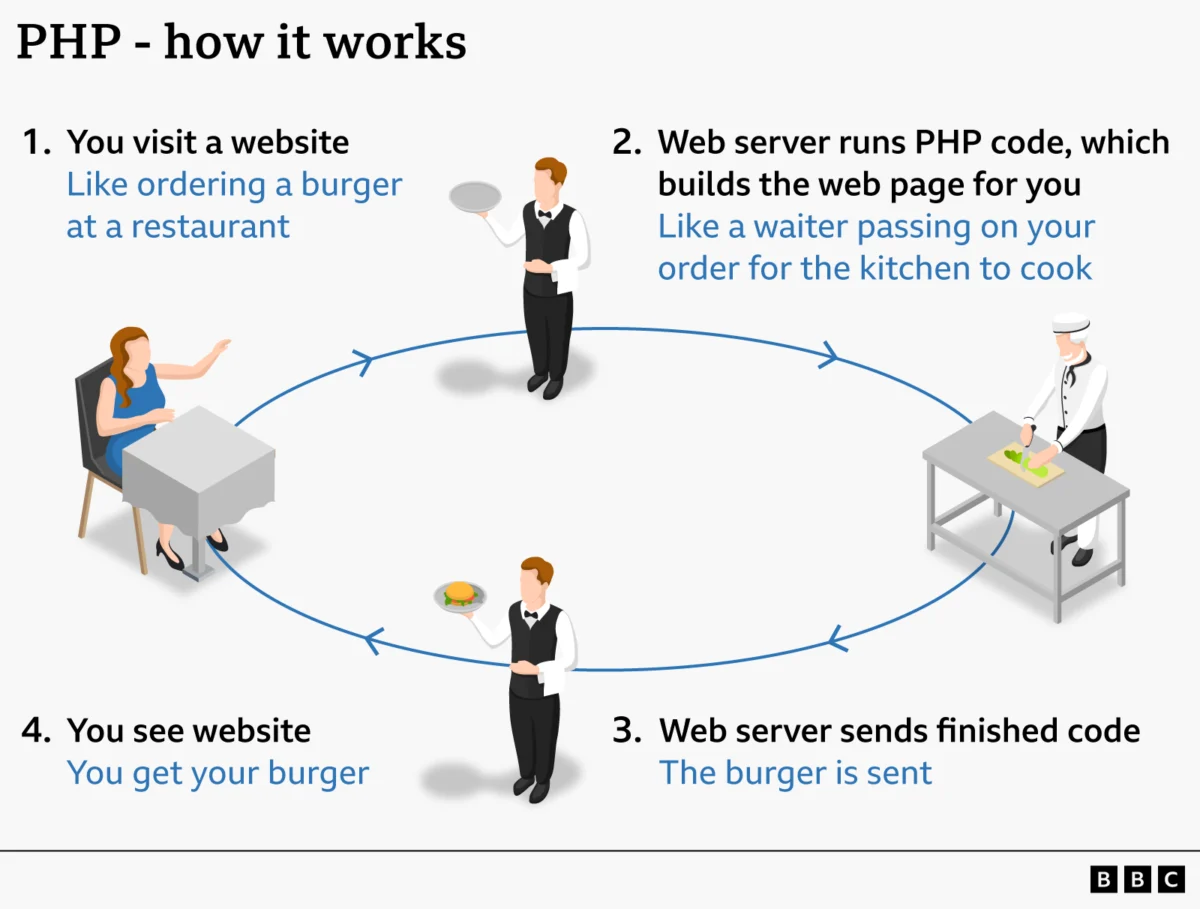
"It’s been relentless," echoed UK-based system administrator Adam Mudd, who described an unprecedented volume of inquiries from concerned website owners. "The biggest challenge has been juggling clients who want their sites taken offline as a precaution, while trying to coordinate updates and fixes across countless different setups," he explained. Mudd revealed that the time spent disabling websites for safety sometimes exceeded the duration required to implement the actual PHP fix. PHP, a ubiquitous programming language powering millions of websites, was compromised by two critical flaws, triggering an urgent global response. National cyber-security authorities implored IT teams to promptly install a security patch or disconnect affected websites and servers. Mudd recounted working under immense pressure, sacrificing sleep and extending his workday until 22:30 BST to safeguard his clients’ systems.
In Mauritius, IT administrator Loganaden Velvindron described a similar state of frantic activity. His team’s realization of the extensive reliance on PHP across their infrastructure immediately put them on high alert. "Many versions of PHP running are completely end-of-life, so we are having to rebuilding web apps and change code in some cases," he stated. Velvindron highlighted that the sudden announcement of the security vulnerabilities in PHP, with little advance warning, presented a significant hurdle in preparing a swift and effective response.
Jon Jones, Technical Director for a digital advertising company, was similarly galvanized by the urgent alerts. "Seeing the warning drop was definitely eye-opening and a new experience we’ve not dealt with before," he commented. Despite the gravity of the situation, Jones admitted to a sense of exhilaration, likening the experience to a "Hollywood action scene." The PHP Foundation, responsible for the programming language, released a software fix, initiating a race against time for users to download it. Jones characterized the period following the patch’s release at 15:00 BST on Wednesday as "the race was on." He also expressed the inherent anxiety associated with software updates, noting, "It was also a bit nerve-racking as anyone who has applied software updates before would know, there’s always a chance than an update can cause other issues."
The urgency was amplified by the early leak of details concerning the PHP flaw, with widespread rumors suggesting that cybercriminals were already actively exploiting the vulnerabilities. However, cyber experts are now questioning the veracity of these claims. "We were flooded with rubbish intel about hackers being out there actively with working Proof of Concept (PoC) methods," stated UK cyber expert Daniel Card. Card, like many others, had been working around the clock since Tuesday when initial rumors of PHP hacks began to circulate. "This isn’t the first time we’ve had a situation like this but it feels like it’s been on another dimension," he remarked. While acknowledging the seriousness of the PHP vulnerabilities, Card expressed frustration over the pervasive misinformation regarding active hacker exploitation.
The situation was further complicated by missteps from various entities, including cybersecurity firms themselves. One prominent company issued warnings of active exploits with a working PoC, only to later retract their statement. Despite dire pronouncements from Cloudflare and AWS about "millions of hacking attempts" per hour, concrete evidence of widespread data breaches or significant cyber-attacks has been scarce. While the use of AI to develop attack methods has been observed, these have not yet translated into large-scale successful exploits, a scenario that could change rapidly.
Ironically, AI played a role in discovering the very PHP flaws that had remained hidden from human researchers for decades. The IT professionals interviewed uniformly agreed that such profound vulnerabilities are likely to be unearthed with increasing frequency as AI-powered hacking tools become more sophisticated. However, a significant concern within the industry centers on the communication surrounding these critical vulnerabilities. There is a palpable fear that the advancements in AI will lead to a surge in similar incidents, potentially resulting in "alert fatigue."
Mark Maunder, founder of Wordfence, a WordPress security tool, articulated this concern, posting, "We’re going to find scary vulnerabilities with the amazing capabilities that OpenAI and Anthropic are bringing online, but we need to calibrate the messaging." He warned that a state of alert fatigue could prove detrimental should a truly exploitable and severe vulnerability emerge in the future. The relentless nature of this cyber security scramble, compounded by the evolving landscape of AI-driven threats and the challenges of accurate information dissemination, highlights a new and demanding era for IT and security professionals worldwide.



 George Anjay

 Nakalama John

 Ramos Leo

 Roy Suryo

 Nana Banana
