
 George Anjay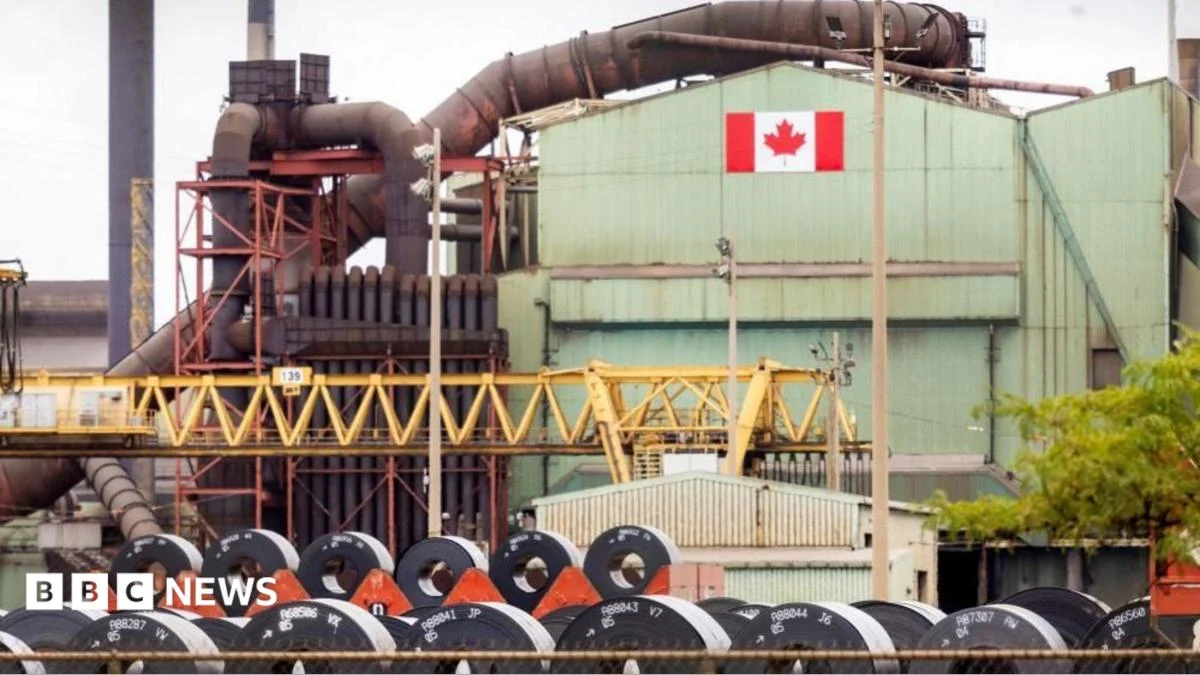
In a significant escalation of the trade dispute between two of the world’s closest economic partners, Canada has announced a sweeping set of retaliatory tariffs, with some rates reaching as high as 50%, targeting a broad spectrum of American goods. This decisive move comes as a direct response to the recent imposition of levies by President Donald Trump on Canadian imports, a move that has sent shockwaves through bilateral trade relations. The Canadian counter-tariffs, slated to take effect on September 8th, will impact an estimated C$28 billion (approximately $20 billion USD, £15 billion GBP) worth of American products. The list of targeted items is meticulously designed to mirror the Canadian goods that were subjected to the US tariffs, creating a direct "dollar-for-dollar" equivalence in the punitive measures.
The affected American goods span a diverse range, from foundational industrial materials like steel to everyday consumer items such as furniture, fresh tuna, and cotton T-shirts. This strategic selection underscores Canada’s intent to exert maximum pressure on the US economy, particularly on sectors and products deemed politically sensitive or economically significant. The announcement, made by Canadian officials on Tuesday, signals a stark deterioration in the trade relationship, which has been a cornerstone of North American economic stability for decades.
The latest tit-for-tat exchange marks the culmination of a dramatic collapse in trade talks between the two nations late last week. Both sides have engaged in a blame game, with each accusing the other of introducing unreasonable last-minute demands that derailed the negotiations. Canada’s Finance Minister, François-Philippe Champagne, articulated the rationale behind the retaliatory measures, emphasizing that Canada "must respond" to the 50% tariffs imposed by the Trump administration. Champagne characterized the Canadian response as both "proportionate" and "strategic," aiming to inflict tangible consequences on Canadian workers, businesses, and communities that are being adversely affected by the US actions.
Beyond the direct imposition of tariffs, Canada is also bolstering its support for domestic industries and workers impacted by the escalating trade war. The government has committed an additional C$7.5 billion to support programs specifically designed to mitigate job losses and ensure the solvency of Canadian companies struggling under the weight of US tariffs. This financial injection highlights Canada’s commitment to weathering the storm and protecting its economic landscape from the fallout of the trade dispute.
The implications of these escalating tariffs are far-reaching, promising to create significant economic pain on both sides of the border. Decades of meticulously constructed supply chains, built on the bedrock of relatively frictionless trade, are now facing increased operational costs. These higher trading expenses, a direct consequence of the new tariff regimes implemented by both the US and Canada, will inevitably translate into increased prices for businesses of all sizes and, ultimately, for consumers. The intricate web of North American commerce, characterized by integrated production processes and cross-border movement of goods, is now under severe strain.
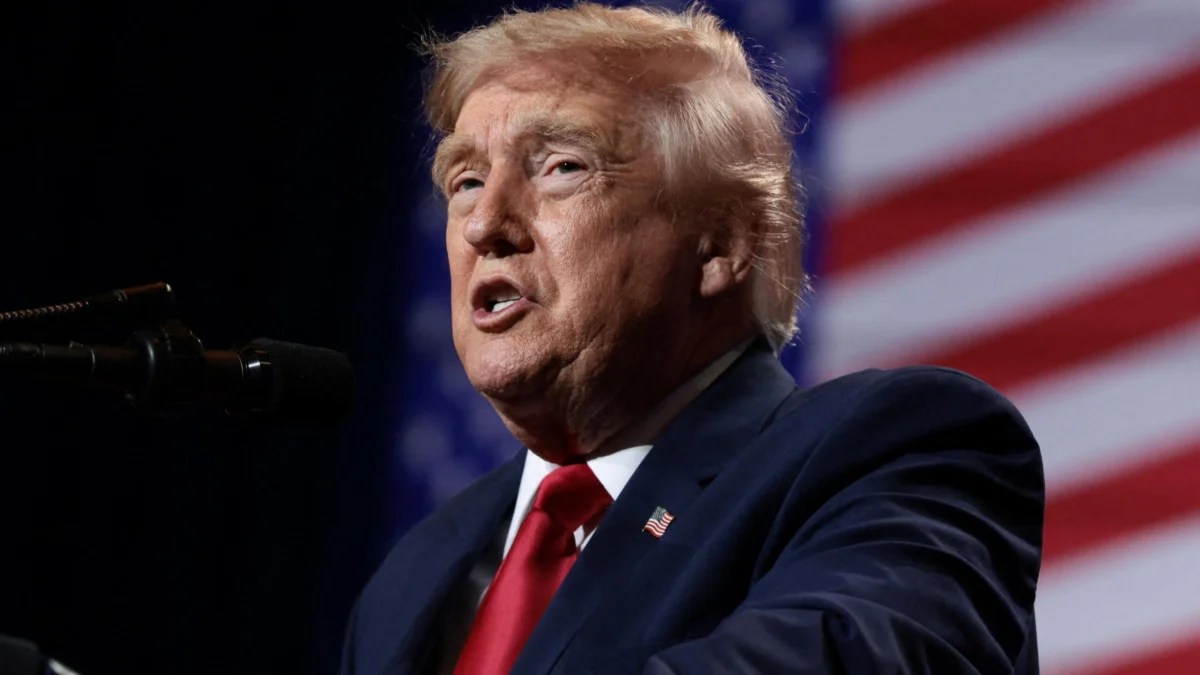
President Trump has remained characteristically vocal on the developing situation, though he has yet to issue a formal statement on Canada’s latest retaliatory measures. However, in a series of posts on his social media platform, Truth Social, on Tuesday, Trump launched a scathing attack on Canada, accusing the nation of "ripping off" the United States for decades and of imposing "steep tariffs" on American farmers. Trump’s rhetoric painted Canada as an unreasonable and entitled trading partner, stating, "I deal with many countries, and Canada is easily the most difficult and unreasonable." He further declared, "They feel entitled, but they are not a State, and will be entitled no longer!" In a particularly inflammatory remark, Trump even suggested renaming Lake Ontario to "Lake America," asserting, "We don’t expect to doing much business with Ontario any longer."
This exchange follows a previous threat by President Trump on Monday to significantly hike US tariffs on Canadian automobiles to 50%, effective January 1st. Prime Minister Mark Carney responded to this threat by accusing Trump of aiming to "destroy" key Canadian industries, including the vital automobile manufacturing sector and the steel and aluminum industries. The public rhetoric from both sides has reached a fever pitch, characterized by sharp accusations and retaliatory threats, creating an environment of heightened tension and uncertainty.
Despite the public animosity, there are nascent signs that some officials are attempting to strike a more diplomatic tone, with a glimmer of hope that trade talks might be resumed. Ontario Premier Doug Ford, who had previously called Trump a "loser" at a news conference on Monday, acknowledged in a subsequent interview with CNN that "things got a little heated." However, Ford expressed a desire to reach an agreement, stating, "But I want to make a deal – a good deal for the American people, a good deal for Canadians." This conciliatory remark, though juxtaposed against the broader escalating conflict, suggests a potential opening for de-escalation and a return to constructive dialogue.
The escalating trade conflict also casts a long shadow over the future of the United States-Mexico-Canada Agreement (USMCA), the successor to NAFTA, a cornerstone of North American free trade. The ongoing dispute raises serious questions about the stability and longevity of this critical trade pact, which underpins the economic integration of the continent. Mexico, deeply intertwined with both the US and Canadian economies, is also feeling the repercussions. Mexican President Claudia Sheinbaum had already dispatched her Economy Secretary, Marcelo Ebrard, to Washington for emergency talks following the collapse of trade negotiations with Canada, underscoring the regional implications of this escalating trade war.
The current situation represents a significant departure from the historically close and mutually beneficial trade relationship between Canada and the United States. The imposition of high tariffs by both nations risks not only immediate economic disruption but also long-term damage to the trust and cooperation that have characterized their partnership for generations. The path forward remains uncertain, with the potential for further escalation or a tentative return to the negotiating table, but the immediate outlook is one of heightened economic tension and significant challenges for businesses and consumers across North America. The "dollar-for-dollar" approach to tariffs, while a direct response, signals a potentially prolonged period of economic friction, impacting not just bilateral trade but the broader global economic landscape. The intricate balance of economic interdependence between these two North American giants is now precariously teetering, with the consequences of this trade war yet to fully unfold.



 Roy Suryo

 Nakalama John
 atisusanti
 Ramos Leo
