
 George Anjay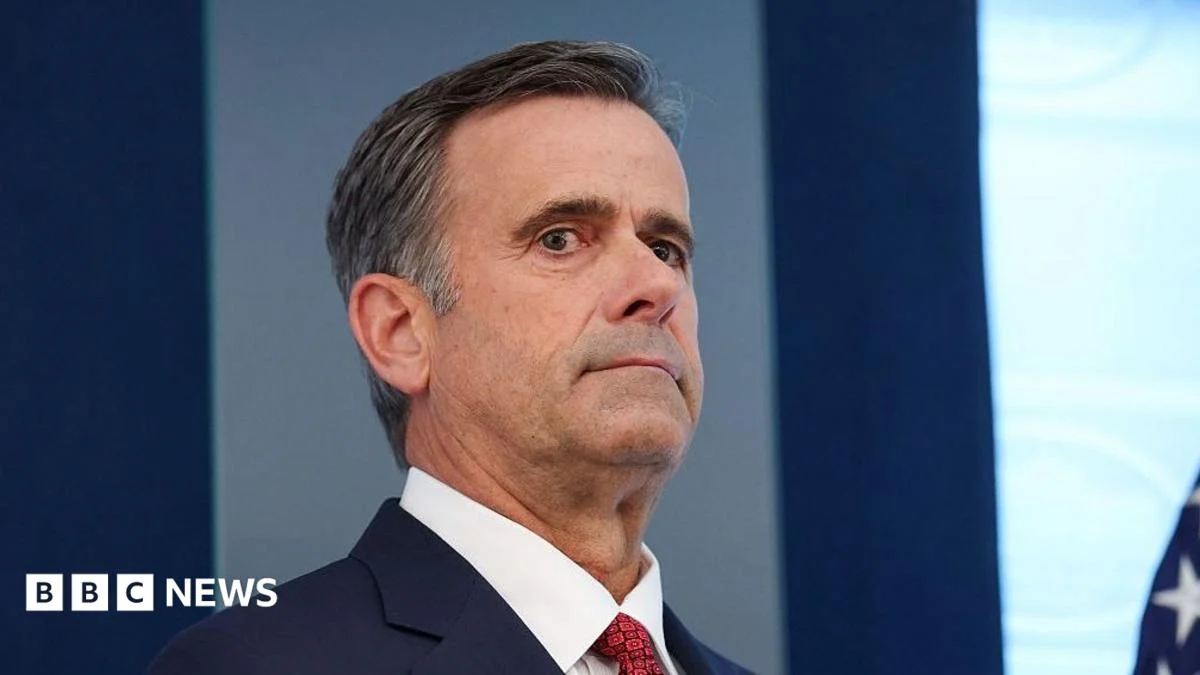
The head of the US Central Intelligence Agency (CIA), John Ratcliffe, reportedly arrived in the Russian capital on Tuesday for unannounced talks, according to a report by CBS, the BBC’s US news partner. The visit, shrouded in secrecy, has fueled speculation about its purpose, with neither Washington nor Moscow officially confirming the nature of the discussions or the individuals Ratcliffe was scheduled to meet. Such high-level in-person engagements between American and Russian officials have become exceptionally rare amidst the deeply strained diplomatic landscape.
Supporting the reports, flight tracking data confirmed the presence of a large US military aircraft, a C-17 transport plane, that traveled to Russia from the United States via Latvia on Tuesday. The aircraft departed Riga airport at 05:50 GMT and appeared to have landed in Moscow’s Vnukovo International Airport around 07:04 GMT, according to data from FlightRadar24. Footage circulating on social media purported to show the imposing aircraft approaching the Russian airfield, and later, a diplomatic motorcade navigating the streets of Moscow. The C-17 departed Riga shortly before 17:00 GMT, concluding its swift and covert operation.
BBC News has reached out to the CIA, the White House, and the Pentagon for official comment on the clandestine visit, but as of the time of reporting, no confirmations or denials have been issued.
The trip is understood to be Ratcliffe’s first to Russia in his capacity as CIA director, although he has reportedly maintained lines of communication with his Russian intelligence counterparts. This suggests a level of ongoing, albeit discreet, engagement between the two intelligence agencies, even as broader diplomatic relations remain fractured.
John Foreman, who served as a British military attaché to Moscow between 2019 and 2022, offered insights into the potential motivations behind such a high-stakes, unannounced visit. Speaking to Radio 4’s PM programme, Foreman posited that the talks could be primarily focused on "escalation management." This theory gains traction in light of recent speculation linking a series of drone activities in Germany to potential Russian involvement. "The Americans don’t normally send such a high-ranking official to Moscow unannounced at short notice unless something is up," Foreman emphasized, highlighting the unusual nature of the trip.
Another significant area of discussion, according to Foreman, could revolve around the release of American detainees currently being held in Russia. Ratcliffe’s involvement in prior negotiations for the release of Russian-American citizen Ksenia Karelina, who faced charges of providing support to Ukraine, lends credence to this possibility. Furthermore, the CIA was reportedly instrumental in a 2024 prisoner swap deal with Russia that facilitated the release of prominent figures including Wall Street Journal reporter Evan Gershkovich, former US marine Paul Whelan, and Russian-American journalist Alsu Kurmasheva. These past successes suggest a potential avenue for future diplomatic breakthroughs concerning detained individuals.
The broader geopolitical context of this visit cannot be overstated. The United States and Russia have endured deeply strained relations since Russia launched its full-scale invasion of Ukraine in February 2022. This conflict has led to Russia’s significant isolation on the global stage and the imposition of extensive international economic sanctions. Against this backdrop, any direct communication, particularly at the intelligence chief level, carries considerable weight.
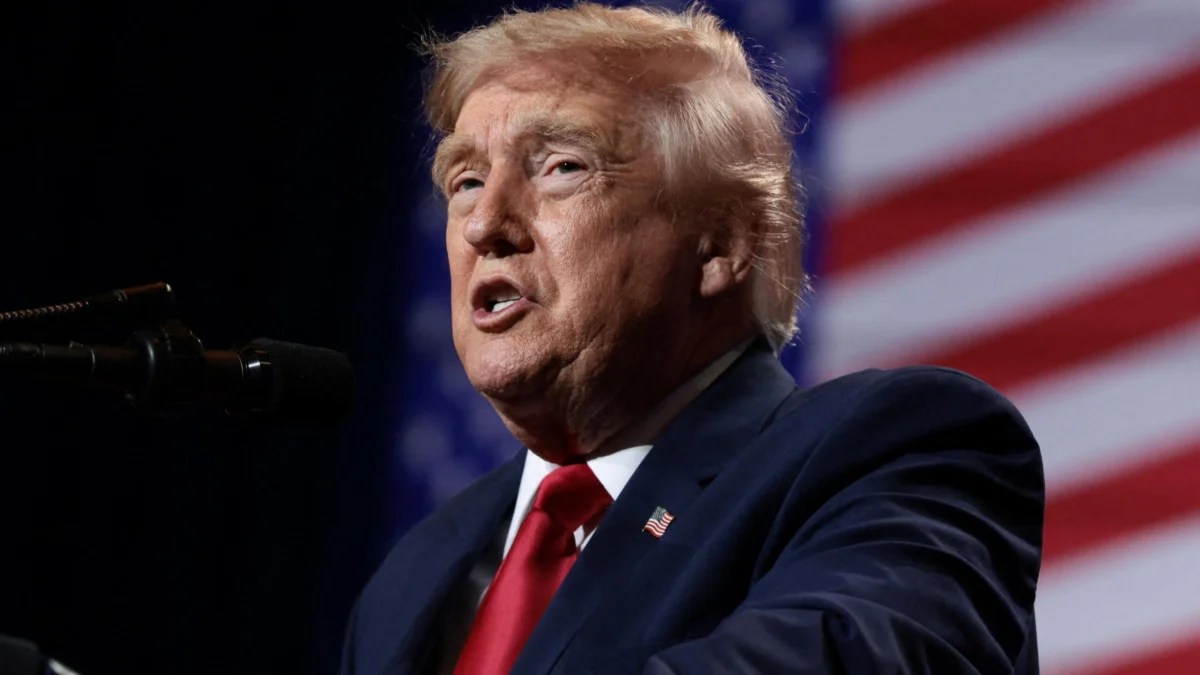
The reported presence of John Ratcliffe in Moscow signifies that he may be one of the highest-ranking US officials to visit the country during President Donald Trump’s second term. While Trump did meet with Russian President Vladimir Putin at a summit in Alaska last year, that meeting did not yield any significant breakthroughs in bilateral relations. Subsequent US-led peace talks aimed at resolving the conflict in Ukraine have also appeared to stall, underscoring the challenges in de-escalating tensions.
The decision to send the CIA director for an unannounced visit suggests a pressing need for direct, albeit covert, communication to address critical security concerns or explore avenues for de-escalation. The presence of a US military transport aircraft underscores the logistical and security considerations involved in such a sensitive mission. The flight path, meticulously tracked and shared on social media, further fuels public intrigue and speculation about the substance of these confidential discussions.
The timing of the visit also raises questions. With ongoing military activities and heightened tensions in Eastern Europe, any dialogue aimed at preventing further escalation is of paramount importance. The fact that the US reportedly informed Ukraine of a senior delegation’s upcoming trip to Moscow and requested Kyiv to suspend strikes until their departure indicates a deliberate effort to manage the diplomatic fallout and ensure that the talks could proceed without immediate disruption to ongoing military operations. This communication with Ukraine suggests a coordinated approach by the US, aiming to both engage with Russia and maintain transparency with its key ally.
The involvement of intelligence agencies in such sensitive diplomatic overtures is not uncommon, particularly in situations where formal diplomatic channels are either compromised or insufficient. Intelligence chiefs often possess a unique understanding of the threat landscape and can engage in direct, discreet exchanges that may be difficult for political figures to undertake. Ratcliffe’s background as a former Director of National Intelligence and his current role as CIA director position him as a key figure in conveying US concerns and assessing Russian intentions.
The nature of the "unannounced talks" remains the central mystery. Potential topics could range from nuclear non-proliferation and arms control, to cyber warfare, the ongoing conflict in Ukraine, and the welfare of detained citizens. The lack of official confirmation from either side amplifies the speculation, as both nations may be seeking to avoid public scrutiny or to allow the discussions to unfold without external pressure.
The role of flight tracking data and social media footage in revealing the details of this covert trip highlights the evolving landscape of information dissemination. What was once a purely clandestine operation is now subject to public observation and analysis, adding another layer of complexity to international relations. The visual evidence of the US military aircraft and the purported diplomatic motorcade has served to corroborate the initial reports, lending a degree of certainty to the fact of the visit, even as its purpose remains elusive.
Ultimately, the unannounced visit of CIA Director John Ratcliffe to Moscow represents a significant, albeit opaque, development in US-Russia relations. It underscores the persistent need for communication, even amidst profound adversarial dynamics, and suggests a high level of concern or strategic interest driving this discreet diplomatic maneuver. The world will be watching for any subtle shifts or official pronouncements that might emerge from this secretive encounter, as it could hold implications for regional and global security.



 Roy Suryo

 Nakalama John
 atisusanti
 Ramos Leo
