atisusanti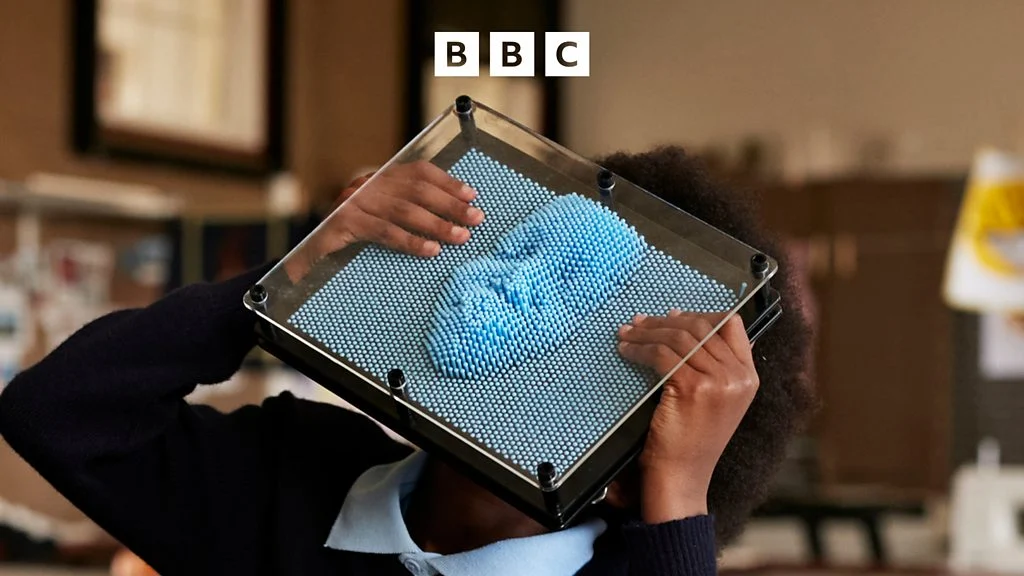
The digital age, while brimming with innovation and connectivity, has unveiled a darker side, particularly in its impact on vulnerable populations. A recent episode of BBC Sounds’ "Tech Life," titled "School deepfake ransoms," delves into a chilling new threat: the exploitation of children’s images, captured innocently by schools, to create malicious deepfake artificial intelligence (AI) content. These fabricated images can then be used for extortion, plunging families and educational institutions into distress and fear. The episode, presented by Chris Vallance and produced by Imran Rahman-Jones, highlights the alarming ease with which personal data, readily available online, can be weaponized.
For many schools, the practice of sharing images of their pupils online is a common and seemingly harmless endeavor. These photographs are often intended to celebrate academic achievements, showcase extracurricular activities, or serve as marketing material to attract prospective students and engage the wider school community. However, the very accessibility of these images on school websites and social media platforms creates a significant vulnerability. Criminals with malicious intent can harvest these photos, utilizing sophisticated AI tools to generate highly convincing deepfake videos or images. These fabricated visuals can then be used to extort money from parents or guardians, leveraging the emotional distress and reputational damage that such content could inflict. The article points to the unsettling reality that everyday school communications could inadvertently fuel criminal enterprises.
The gravity of this threat cannot be overstated. Deepfake technology, once confined to the realm of science fiction, has become increasingly sophisticated and accessible. The ability to manipulate images and videos to depict individuals saying or doing things they never did poses a profound risk to personal reputation, privacy, and safety. When applied to children, the consequences are particularly devastating. The creation of non-consensual deepfake pornography, for instance, is a horrific form of abuse with lasting psychological trauma for victims. This episode of "Tech Life" brings this unsettling reality to the forefront, urging a reassessment of how schools manage and disseminate student imagery.
In response to this burgeoning crisis, the "Tech Life" episode introduces a beacon of hope in the form of a company that claims to offer a viable solution. While the specific details of their technology are not elaborated upon in the provided snippet, the mere existence of such an initiative suggests a growing awareness within the tech industry of the need to combat the misuse of AI. The founder of this company, interviewed on the program, likely presented a system designed to detect and potentially prevent the creation or spread of deepfake content derived from school-published images. This could involve advanced watermarking techniques, digital fingerprinting, or AI-powered detection algorithms that can identify manipulated media. The article implies that proactive measures are being developed to counter this insidious threat.
Beyond the alarming topic of deepfake ransoms, the "Tech Life" episode also explores other cutting-edge technological advancements. One such area of fascination is the potential of graphene to augment human senses. Graphene, a single layer of carbon atoms arranged in a hexagonal lattice, possesses remarkable properties that could revolutionize fields ranging from medicine to consumer electronics. The program likely discussed how this material could be integrated into devices or implants to enhance our ability to perceive the world around us. For instance, the concept of using graphene to "smell for diseases" suggests applications in early medical diagnostics, where subtle changes in a person’s breath or bodily fluids could be detected with unprecedented accuracy. This hints at a future where technology can provide us with super-sensory capabilities.
Furthermore, the episode shines a light on the power of technology to empower individuals facing learning challenges. The story of a student with dyslexia who invented their own assistive technology is a testament to human ingenuity and the transformative potential of personalized solutions. Dyslexia, a learning disorder characterized by difficulties with reading, writing, and spelling, can present significant hurdles in academic pursuits. However, this student’s personal experience likely fueled their drive to create tools that cater to their specific needs. This could involve custom software, specialized hardware, or innovative learning strategies that leverage their unique strengths. Their invention serves as an inspiring example of how technology, when designed with empathy and understanding, can break down barriers and foster educational success for all.
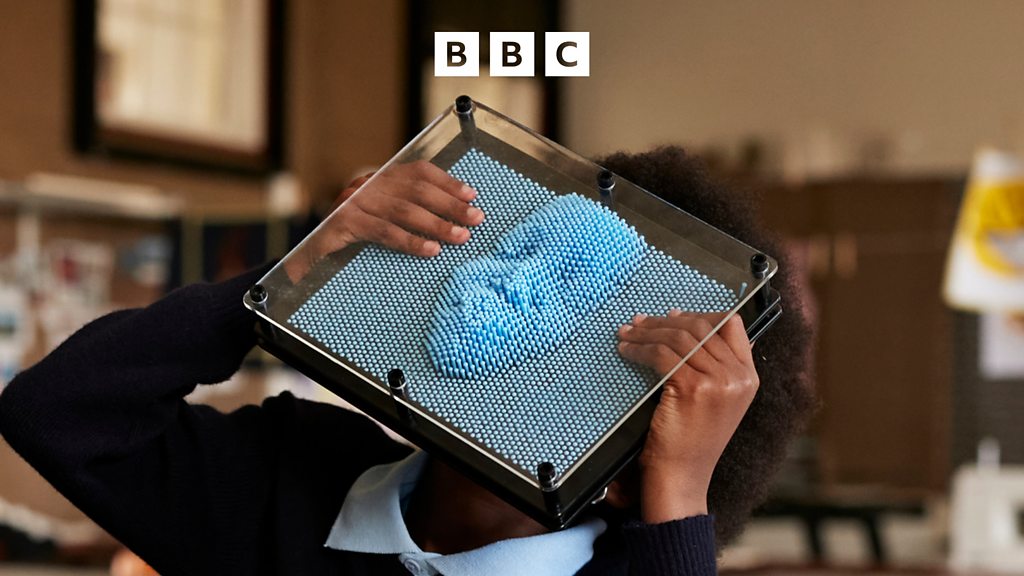
The "Tech Life" episode, broadcast on August 11, 2026, and available for over a year, serves as a crucial public service announcement. It not only raises awareness about the grave threat of school deepfake ransoms but also showcases the ongoing innovation in technology aimed at both addressing these challenges and enhancing human capabilities. The image accompanying the episode, depicting a child obscuring their face with an impression toy, powerfully symbolizes the vulnerability of individuals in the digital age and the urgent need for robust protective measures. The inclusion of the "Programme Website" link encourages listeners to delve deeper into the episode’s themes and explore related content, fostering a more informed and engaged public discourse on the ever-evolving landscape of technology and its societal implications. The episode’s duration of 26 minutes suggests a comprehensive exploration of these complex issues.


 Roy Suryo

 George Anjay
 Nakalama John
 Ramos Leo