Roy Suryo
In the relentless battle against a global health crisis that claims millions of lives annually, the BBC’s "People Fixing The World" series shines a crucial spotlight on the fight against sepsis, a formidable and often silent killer. This episode, "Fighting the Silent Killer," presented by Becky Green, embarks on a deeply personal and profoundly hopeful journey, detailing the escalating understanding of sepsis and the innovative strategies being deployed worldwide to combat its devastating impact.
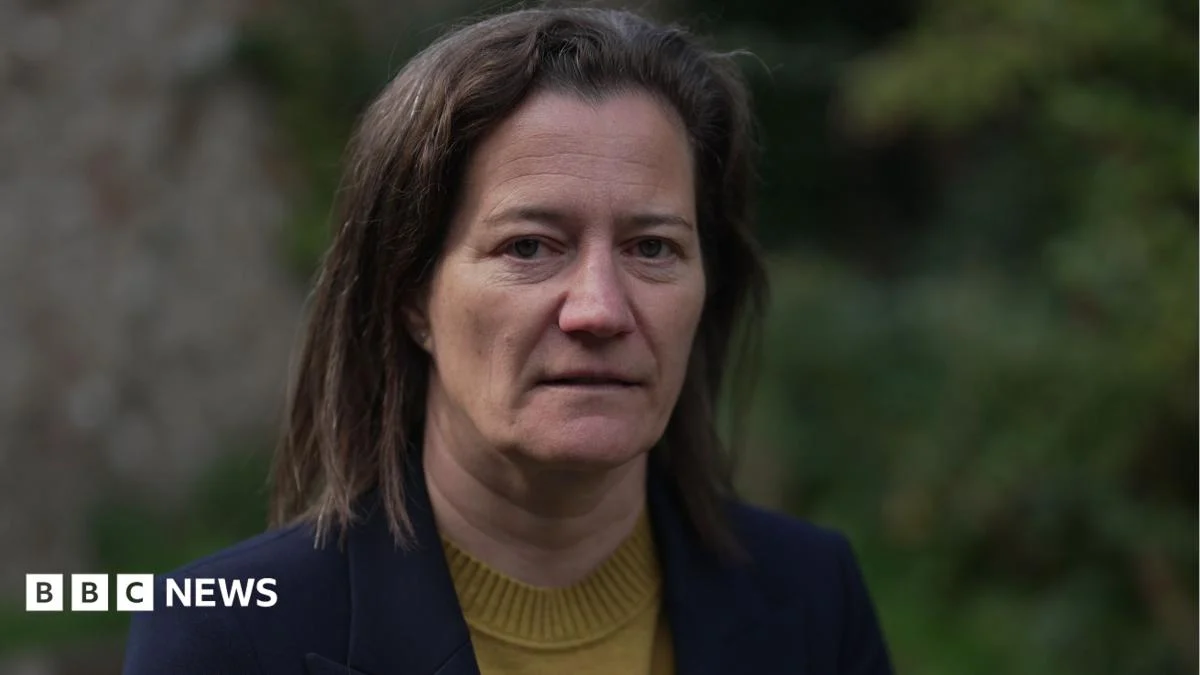
The episode opens with Becky Green’s harrowing personal account. In 2018, she experienced the unimaginable grief of losing one of her newborn twins to sepsis, a condition that arose from premature birth. Her twins were born eight weeks early, and both subsequently developed sepsis. While one son tragically succumbed to the infection, the other survived, a testament to the often precarious nature of this disease. Eight years on, Becky’s personal tragedy fuels her dedication to exploring the global efforts to conquer sepsis. The World Health Organization estimates that sepsis is implicated in one in five deaths worldwide, a staggering figure that eclipses the combined mortality rates of bowel, prostate, and lung cancer. Sepsis, a life-threatening condition, can rapidly progress from a seemingly minor infection, overwhelming the body’s defenses and leading to organ failure. It is a race against time, a brutal adversary that frequently goes unrecognized until it is tragically too late. However, this grim reality is beginning to shift, thanks to the tireless work of individuals and organizations around the globe.
Becky Green engages in a vital conversation with Dr. Kissoon of the Global Sepsis Alliance. Their discussion underscores the significant evolution in our comprehension of sepsis, particularly its vast and often underestimated global toll. The COVID-19 pandemic, while a devastating global event in its own right, inadvertently amplified awareness and research into sepsis, revealing its pervasive influence and the urgent need for more effective interventions. The pandemic’s strain on healthcare systems and its role in triggering or exacerbating sepsis in vulnerable patients highlighted existing weaknesses and spurred a renewed focus on this critical condition.
The episode then transports listeners to the front lines of this battle in Malawi and Uganda, where the APT Sepsis program is making a tangible difference. Becky meets the dedicated team behind this initiative, which focuses on empowering healthcare workers through comprehensive education in crucial areas such as hand hygiene, robust infection prevention techniques, and the vital skill of early sepsis detection. The impact of their work is profound: they have achieved a remarkable 32% reduction in maternal deaths and severe infections directly attributable to sepsis. This success story illustrates how targeted education and improved clinical practices can dramatically alter patient outcomes in resource-limited settings, demonstrating that even with limited resources, significant progress is achievable.

The narrative shifts to Madrid, where Dr. Rosa Mendez shares the innovative "sepsis code" implemented across her hospital. This protocol, meticulously designed to mirror the rapid-response systems already in place for life-threatening conditions like heart attacks and strokes, signifies a paradigm shift in how sepsis is perceived and managed. By establishing a clear, time-sensitive pathway for diagnosis and treatment, the hospital has seen a dramatic decrease in sepsis-related mortality, reducing it from a concerning 24% to a significantly improved 17%. This "sepsis code" represents a commitment to treating sepsis with the urgency it demands, recognizing that every minute saved can be the difference between life and death.
Throughout the episode, Becky Green meticulously traces the burgeoning global movement dedicated to making survival the norm, rather than the exception, for sepsis patients. From the critical role of data collection and advanced diagnostic tools to the indispensable value of comprehensive training and seamless teamwork, the episode paints a vivid picture of a growing international commitment. This movement is not confined to a single discipline or region; it is a multifaceted effort involving researchers, clinicians, policymakers, and patient advocates, all united by a common goal: to eradicate the silent threat of sepsis.
The episode includes a poignant visual element, a photograph of a patient’s hand severely affected by sepsis, showing it turned black and swollen due to the overwhelming infection. This image, credited to Louise Cullen, serves as a stark reminder of the physical devastation sepsis can inflict and underscores the critical importance of the work being done to combat it.
The "People Fixing The World" episode on sepsis is a powerful call to action, a testament to human resilience, and a beacon of hope. It highlights that while sepsis may be a silent killer, the voices and actions of those fighting it are growing louder and more impactful every day. The commitment to advancing our understanding, improving diagnostic capabilities, enhancing treatment protocols, and fostering global collaboration is steadily turning the tide against this devastating disease. The dedication of individuals like Becky Green, Dr. Kissoon, Dr. Mendez, and the entire APT Sepsis program team demonstrates that by working together, we can indeed fix the world, one life saved at a time. The episode, produced by Marc Rigg as an Audio Always production for BBC World Service, is a vital contribution to raising awareness and fostering a collective will to conquer sepsis.