Ramos Leo
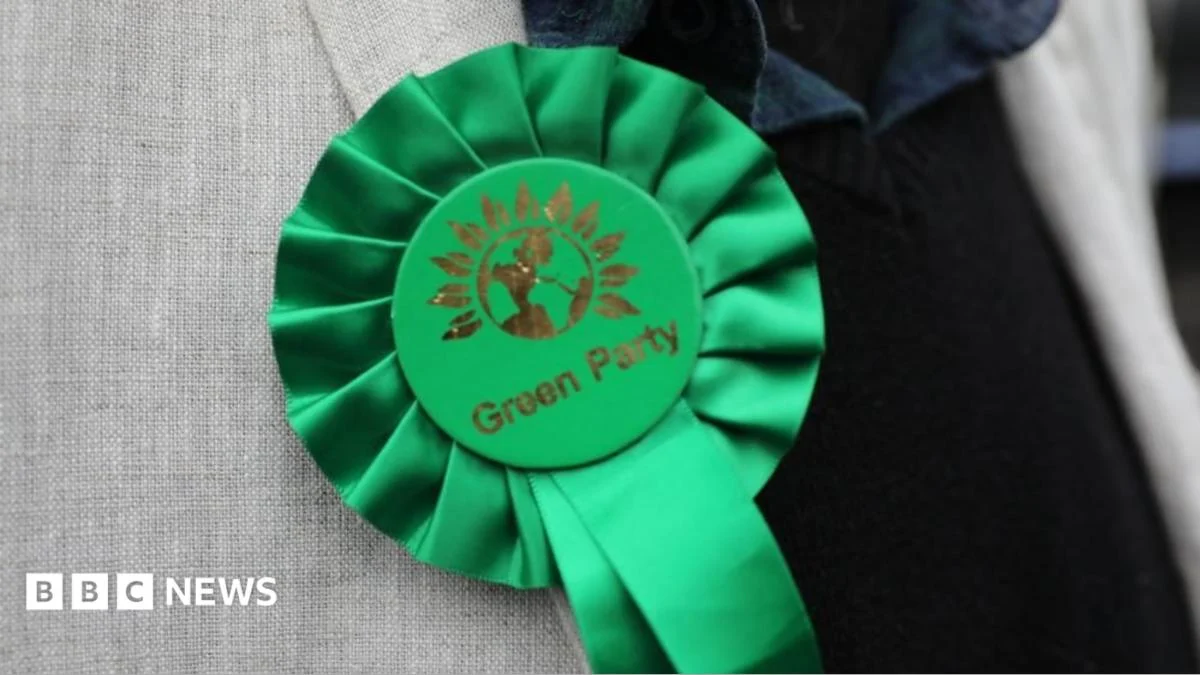
Anthony Lee, who held a pivotal role in the Conservative Party’s strategic operations, stood to gain a substantial sum of approximately £15,000 from his illicit activities. The Gambling Commission, the UK’s regulatory body for gambling, revealed that Lee had placed more than 60 successful bets, with a total stake of £1,549. These bets were not based on political insight or public speculation but on highly confidential, privileged information regarding the exact timing of the election. This information, gleaned from his senior position, was then passed to his wife, Laura Lee, highlighting a clear abuse of trust and access to sensitive data.
Laura Lee, who at the time was herself a Conservative parliamentary candidate, also engaged in this unethical betting scheme. She placed eight successful bets on the election date, staking a total of £535. Had her bets been allowed to stand, she would have profited by around £5,000. Her involvement is particularly damaging given her aspiration to represent the party in Parliament, underscoring a blatant disregard for the ethical standards expected of public figures and candidates. The couple’s actions represent a serious breach of the Gambling Act 2005, which explicitly prohibits cheating at gambling, a charge that carries significant legal penalties.
At Southwark Crown Court, Anthony Lee entered guilty pleas to two separate offences related to the gambling fraud. Laura Lee, his wife, pleaded guilty to one offence. Their sentencing has been scheduled for October, a period that will likely coincide with ongoing political reflections following the general election. This legal process is merely one facet of a broader and more extensive investigation that has implicated several individuals connected to the Conservative Party.
Indeed, the Lees are not the only high-profile figures to face legal repercussions. Former MP Craig Williams, who served as Prime Minister Rishi Sunak’s closest parliamentary aide, previously pleaded guilty to similar charges in June. Williams admitted to placing bets of £250, £100, and £22.50 on the date of the 2024 election. Crucially, during his prosecution, it was revealed that Williams explicitly told the court he "used highly sensitive and confidential information" to place his wagers. This admission from such a close confidant of the Prime Minister further amplified the scandal, prompting widespread condemnation and calls for transparency and accountability.
When details of the scandal first began to surface in June 2024, Craig Williams publicly acknowledged making a "huge error of judgment." However, for many, this admission fell short of addressing the fundamental breach of trust and the perceived corruption at the heart of the party. The revelation that individuals with direct access to the highest levels of government were exploiting their positions for personal financial gain sent shockwaves through the political landscape, raising serious questions about the ethical standards within the Conservative Party.
The Prime Minister’s decision to call a snap general election for July 4, 2024, was widely perceived as a surprise, even within his own party. Many Conservative MPs and political commentators had anticipated an autumn election, making the early summer date an unexpected move. This element of surprise is central to the gravity of the betting scandal, as it underscores just how exclusive the knowledge of the election date truly was. Only a very small, select circle of individuals would have been privy to such sensitive information, making any betting activity by those within that circle a clear case of insider trading.
The scandal’s reach extends beyond the Lees and Williams. The judicial process is set to continue with trials for 10 other defendants, scheduled for September 2027 and January 2028. The protracted nature of these trials suggests a complex and wide-ranging investigation, indicating that the alleged illicit betting was not an isolated incident involving just a few individuals but potentially a more systemic issue. The full scope of this scandal, therefore, remains to be uncovered, promising further revelations and potential embarrassment for the Conservative Party.
The Gambling Commission, in its role as the lead investigative body, has been meticulous in gathering evidence and pursuing these cases. Its involvement highlights the criminal nature of these actions, distinguishing them from mere ethical lapses. Cheating at gambling, particularly when it involves exploiting privileged information, undermines public confidence not only in the integrity of the betting industry but, more critically, in the honesty and fairness of the democratic process itself.
The ethical implications of this scandal are profound. Public officials and political operatives are entrusted with sensitive information, not for personal enrichment, but to serve the public interest. The exploitation of such information for private financial gain constitutes a severe breach of public trust. It raises fundamental questions about the probity of those operating at the highest echelons of government and party politics. In a democratic society, the perception of fairness and integrity in elections is paramount. Any action that suggests otherwise, such as insider betting on election dates, risks eroding public faith in the entire political system.
The Conservative Party, which has been approached for comment on the latest developments, faces a significant challenge in rehabilitating its image. This scandal emerged at a critical juncture, just as the party was launching its general election campaign, already battling low approval ratings and widespread public discontent. The revelations of senior figures allegedly engaging in financial misconduct based on insider information further compounded the party’s woes, distracting from its policy agenda and fueling narratives of a party out of touch and ethically compromised.
Beyond the immediate legal consequences for the individuals involved, this scandal is likely to prompt broader discussions about regulatory oversight and internal party controls. There may be calls for stricter rules regarding betting by political figures, particularly on matters directly related to government decisions. Parties may also need to review and reinforce their internal ethical guidelines and confidentiality protocols to prevent similar abuses of privileged information in the future. The damage inflicted by these actions extends beyond individual reputations; it impacts the collective trust in the political class and the democratic institutions they serve.
As the legal proceedings continue and more details emerge from the upcoming trials, the full extent of this unprecedented betting scandal will become clearer. The sentencing of Anthony and Laura Lee in October, and Craig Williams at a later date, will serve as a stark reminder of the serious consequences for those who breach the public’s trust and exploit their positions for illicit gain. The scandal remains a significant stain on the integrity of British politics, demanding comprehensive accountability and a renewed commitment to ethical conduct from all those involved in public life.



 Nakalama John
 George Anjay
 atisusanti
 Roy Suryo