
 Ramos Leo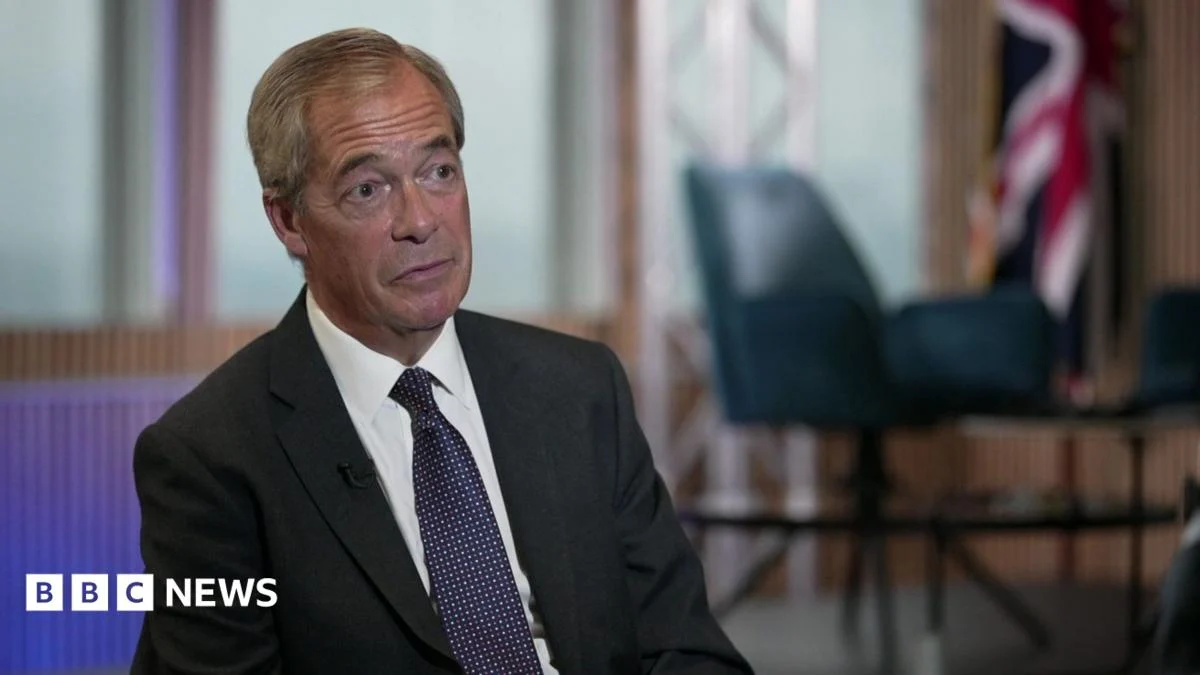
The controversy surrounding these donations has thrust the intricate and often opaque system of political funding in the UK into the spotlight, igniting a fierce debate about transparency, influence, and the future of democratic integrity. Farage, speaking on the matter, vehemently argued against the government’s attempts to retrospectively declare donations illegal, threatening a reciprocal measure if such a precedent were set. He suggested that if elected Prime Minister, his party would retaliate by limiting trade union donations, a move he contended would "collapse" the current system and force taxpayers to fund political parties – an outcome he believes the British public would strongly oppose.
The two donations in question, each amounting to £36 million, were announced by Reform UK over the weekend. They originate from two wealthy businessmen, Ben Delo and Christopher Harborne, both of whom are British citizens but have resided abroad until relatively recently. These contributions collectively represent the largest single infusion of funds into a British political party in history, immediately raising questions about their origin, timing, and potential influence.
Speaking to the BBC, Farage maintained there was "no question" that the donations were entirely within the bounds of the law "as it stands." When pressed on the specific residential status of Delo and Harborne, particularly whether they were resident in the UK by the proposed cut-off date of 25 March 2026, Farage declined to provide details, stating, "I’m not going into their particular details." His criticism of the government’s proposed retrospective legislation was unsparing: "This cannot be. If the government was allowed to do this, you know what would happen? There would be a response the other way. We or the Conservatives would say ‘if you’re going to stop legitimate donors like this, we would say to the trade unions, you can’t give money’."
This threat was met with immediate and stark condemnation from trade union leaders. Paul Nowak, general secretary of the Trade Unions Congress (TUC), sharply differentiated between the nature of trade union funding and these large individual donations. Nowak argued there was "no similarity" between "care workers chipping in a few quid a year through their union and a party bought and paid for by billionaires." Since 2020, the Labour Party has received nearly £43 million from trade unions, funds typically raised through individual workers’ membership fees. This long-standing method of funding, originating from numerous small contributions, stands in stark contrast to the unprecedented sums from two wealthy individuals now received by Reform UK.
On Monday, the House of Lords engaged in a robust debate over the government’s Representation of the People Bill, which includes the contentious provisions on donation caps. The bill proposes to cap the amount British citizens living overseas can donate to political parties at £100,000 annually. Crucially, the legislation also stipulates that individuals who have moved back to the UK would be subject to a waiting period of at least one year before they could donate more than £100,000. To circumvent this cap, donors would need to have been registered as resident in the UK by the specified date of 25 March 2026. The exact dates of Delo and Harborne’s return to the UK remain undisclosed, adding another layer of complexity and speculation to the controversy.
Education Minister Georgia Gould, speaking on the BBC’s Today programme, articulated the government’s anxieties regarding "the big money that is coming into politics… and sometimes money from overseas that is shaping politics rather than the ordinary voters." She clarified that these new rule changes were incorporated into the bill following a comprehensive report by former senior civil servant Sir Philip Rycroft, which investigated foreign interference in British politics. This report, published on 25 March, highlighted vulnerabilities in the existing funding landscape, prompting the government’s legislative push.
Sir Philip Rycroft himself weighed in on the unfolding situation, speaking to Matt Chorley on Radio 5 Live. He clarified that examining domestic donations fell outside the specific remit of his review, which focused primarily on foreign interference. However, he offered his personal perspective, asserting that there was a compelling case for capping all donations, irrespective of whether they originated from British citizens residing in the UK or overseas. "I don’t see any reason why we should have these mega sums of money coming into British politics," Sir Philip stated, echoing widespread concerns about the potential for undue influence. He acknowledged that the government’s decision to retrospectively ban certain donations would inevitably be "controversial." Yet, he provided a strategic rationale for such a move: "If you say, you’re going to change the rules to cap donations at some point in the future, then clearly the risk is that you get a lot of those donations coming through the door before you’re able to do that." This highlights the government’s attempt to pre-empt a rush of large donations ahead of any new regulations.
Farage defended the necessity of these colossal donations for Reform UK, stating they would enable his party to "catch up with the other big parties" and facilitate their "professionalisation." He drew parallels between different forms of political funding, arguing that trade unions donate to Labour with the expectation that their policies will be enacted, and that donors give money to the Conservative Party in pursuit of "knighthoods and peerages." By contrast, Farage emphatically stated that neither Harborne nor Delo would receive peerages or government contracts should Reform UK win the next general election, seeking to distance his party from allegations of transactional politics.
When questioned specifically about the donors’ potential influence over Reform’s policy on cryptocurrency, a sector where both Delo and Harborne have significant interests, Farage revealed that he had shown them his party’s policy paper on the subject. He reported that both men "thought it made sense." However, he insisted that the two men "will not benefit" from Reform’s policies, which he claimed were designed to properly regulate cryptocurrency for the broader public good.
The debate surrounding these donations coincided with the Trade Unions Congress’s annual conference. TUC general secretary Paul Nowak intensified his criticism, labelling Reform UK a "party for sale" and declaring their donations to be "a crisis for democracy." Sharon Graham, the leader of the Unite union, called for even more stringent measures, advocating for a cap between £500,000 and £1 million on individual donations made by UK residents.
Reactions from other political parties further underscored the widespread disquiet. Speaking on Sunday, Conservative shadow foreign secretary Tom Tugendhat expressed concern about avoiding "a sort of Americanisation of politics where money just sort of runs free." Liberal Democrat Cabinet Office spokeswoman Lisa Smart called for immediate emergency legislation to cap both campaign donations and spending. Similarly, the Green Party urged the Labour Party to "find its spine and and support a tight cap" on political donations, indicating a broad cross-party consensus on the need for reform, even if the specifics of that reform remain hotly contested. The £72 million question, therefore, extends beyond the legality of these specific donations to the fundamental principles governing money in British politics.


 George Anjay
 Nakalama John
 atisusanti
 Roy Suryo
 Nana Banana