George Anjay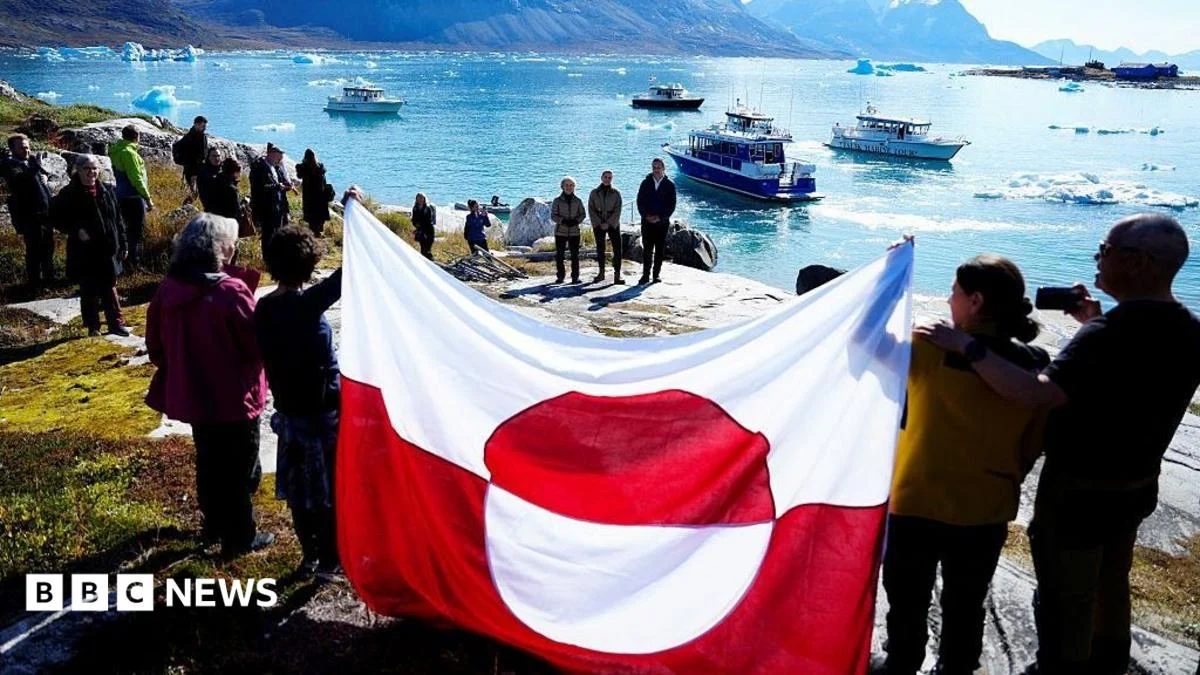
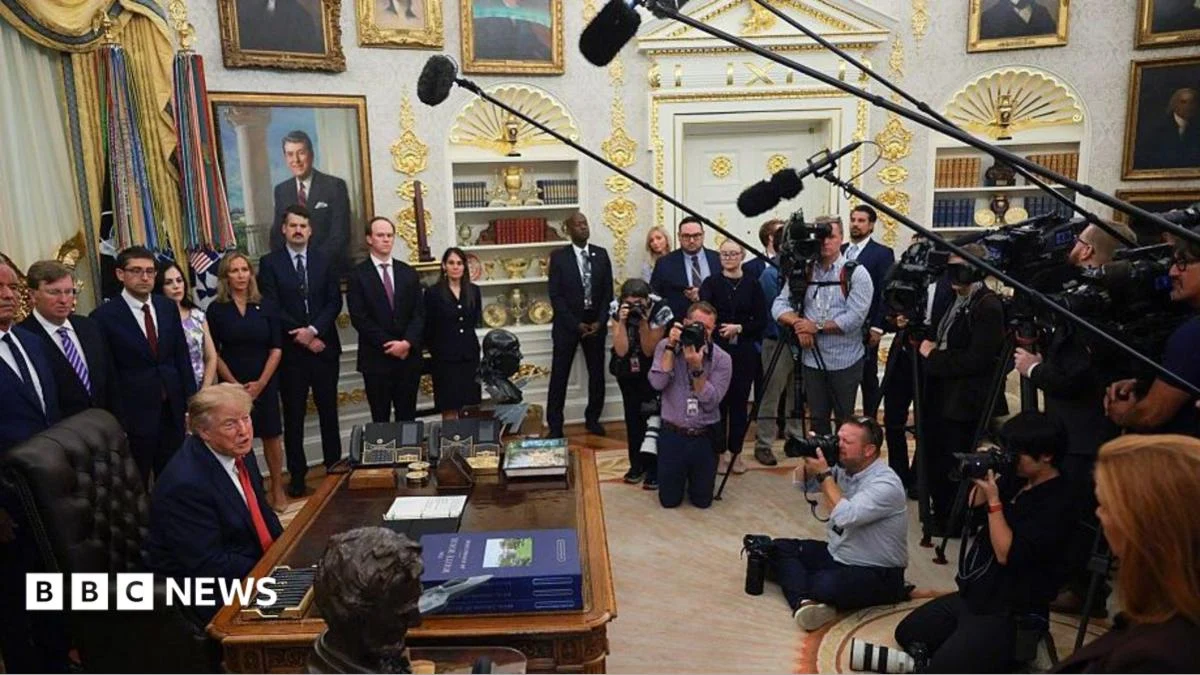
In a significant development that promises to reshape the geopolitical landscape of the Arctic, the United States and Denmark have announced a landmark security agreement concerning Greenland. This pact, poised for formal signing next week, is being hailed by US President Donald Trump as a move that will grant the United States "permanent control over security, and all other needs" in the strategically vital territory. While details remain somewhat opaque, Denmark’s Prime Minister has confirmed the agreement will bolster security in the Arctic and North Atlantic, emphasizing its role in strengthening collective defense without delving into the specifics of the control measures outlined by President Trump.
The genesis of this agreement can be traced back to months of persistent overtures from President Trump, who had repeatedly expressed his desire to acquire Greenland, citing profound national security concerns. His rationale was rooted in Greenland’s unparalleled strategic positioning, a critical nexus for defense operations in the polar region, and its vast, largely untapped mineral wealth, a resource of immense economic and strategic importance in the 21st century. In a candid post on the social media platform Truth Social, President Trump articulated that the agreement comes at "no cost to the United States," while simultaneously empowering the US to "do what is necessary" to "secure and defend the security of Greenland." A particularly stringent clause within the agreement, as revealed by Trump, prohibits any US adversary from establishing a military presence in Greenland or engaging in "sensitive investments" without explicit written consent from the United States.
Denmark’s Prime Minister, Mette Frederiksen, has officially confirmed that the agreement will be formalized at the upcoming United Nations General Assembly, a prestigious global forum that lends weight and international recognition to the pact. She characterized the deal as a vital step that "strengthens our common security in the Arctic and the North Atlantic area." Crucially, Prime Minister Frederiksen also underscored that the agreement unequivocally "recognizes the sovereignty and territorial integrity of the Kingdom and the right of the Greenlandic people to self-determination," a nuanced affirmation that seeks to balance US security imperatives with the inherent rights of Greenland and its populace. However, she was also transparent about the procedural hurdles that lie ahead, noting that the agreement "will have to go through the necessary parliamentary procedures to enter into force," implying that legislative approval from both Denmark and potentially Greenlandic authorities will be required.
President Trump’s persistent pursuit of Greenland has been a recurring theme for months, marked by his attempts to either purchase or annex the mineral-rich Danish territory. His earlier pronouncements and, at times, veiled threats of military action had previously ignited a considerable outcry, not only from the Danish populace but also from other NATO member nations who viewed such rhetoric as destabilizing and potentially disruptive to established international norms.
The announcement of the deal was met with a statement from Jens-Frederik Nielsen, Chairman of the Greenland Government, who expressed his satisfaction. He stated that it is "gratifying that we are about to enter into an agreement that ensures and strengthens the security" of Greenland, Denmark, and the United States. Nielsen further emphasized that "The agreement recognizes Greenland’s interests and our place in international co-operation. It is for the benefit of us all," a sentiment that suggests a collaborative approach and a recognition of Greenland’s own agency within the framework of the agreement.
Adding further weight to the significance of the pact, US Secretary of State Marco Rubio lauded the agreement as a "historic deal" and a "huge win for the United States and the American people." Speaking to Fox News, Rubio unequivocally stated, "This deal permanently and completely addresses our national security concerns in Greenland," highlighting the perceived strategic depth and long-term implications of the agreement for American interests.
Despite the significant pronouncements from both sides, no official text of the agreement has been released to the public. This lack of transparency has prompted inquiries, with the BBC reporting that it has reached out to the Danish Embassy and the White House for further details. The absence of publicly available text leaves many questions unanswered regarding the precise scope of "permanent control" and the specific nature of "sensitive investments" that would require US approval, thus fueling ongoing speculation about the full implications of this pivotal security arrangement.
The Arctic, long considered a region of growing strategic importance due to its vast natural resources, expanding shipping routes, and increasing geopolitical competition, is now at the forefront of global security discussions. Greenland, with its massive landmass, strategic location between the Atlantic and Arctic Oceans, and proximity to North America, occupies a unique and critical position within this evolving landscape. Its ice-free harbors, particularly in the south, and its potential for resource extraction make it a focal point for both economic and military considerations. The United States has a long-standing interest in Greenland’s defense, dating back to World War II when it established bases there. The Thule Air Base, a vital radar and satellite tracking facility, remains a key component of US missile defense systems.
Denmark, as the sovereign power over Greenland, has historically navigated a delicate balance between its NATO commitments, its relationship with the United States, and its responsibility to the self-governing territory of Greenland. The Greenlandic people themselves have a strong sense of self-determination and are increasingly asserting their interests on the international stage, particularly concerning resource management and environmental protection. This new security agreement, therefore, must be viewed within the context of these complex and often competing interests.
The "permanent control over security" mentioned by President Trump could encompass a range of measures, from enhanced US military presence and access to existing and future facilities to joint surveillance operations and intelligence sharing. The prohibition on sensitive investments by US adversaries is a clear indication of the US intention to preemptively counter the influence of rival powers, particularly China, which has been increasing its economic and scientific footprint in the Arctic. Such investments could range from infrastructure projects like ports and mines to the development of advanced technologies or resource exploration initiatives that could be leveraged for strategic purposes.
The inclusion of the phrase "all other needs" in President Trump’s statement is particularly broad and open to interpretation. It could allude to a more comprehensive role for the US in Greenland’s development, potentially encompassing economic aid, technological assistance, or even support for infrastructure projects that align with US strategic objectives. However, Prime Minister Frederiksen’s emphasis on recognizing Greenland’s right to self-determination suggests that any such support would ideally be framed within a collaborative partnership that respects Greenland’s autonomy.
The process of parliamentary approval will be a crucial test for the agreement. In Denmark, any treaty that has significant implications for national security or foreign policy typically requires parliamentary ratification. In Greenland, the Self-Government Act grants the Greenlandic government significant powers, and major international agreements that affect Greenland’s interests would likely require consultation and potentially approval from the Greenlandic Parliament (Inatsisartut). The degree of transparency and public discourse surrounding these parliamentary debates will be critical in shaping the long-term perception and acceptance of the deal.
The potential implications of this agreement extend beyond the immediate security concerns of the US and Denmark. The Arctic region is experiencing rapid environmental changes, with melting ice opening up new possibilities for trade and resource exploitation. This, in turn, is attracting increased attention from a variety of global actors, raising concerns about militarization and potential conflict. A strong security framework, if implemented collaboratively and with due respect for international law and the rights of Arctic inhabitants, could contribute to stability. Conversely, an agreement perceived as overly assertive or exclusive could exacerbate regional tensions.
The economic dimensions of Greenland are also significant. Its mineral resources, including rare earth elements, are of critical importance for the global transition to renewable energy. Securing access to these resources while ensuring responsible and sustainable extraction practices will be a key challenge. The agreement’s provisions regarding investments could therefore have a substantial impact on future economic development in Greenland.
In conclusion, the US-Denmark security deal over Greenland represents a significant moment in Arctic geopolitics. While the overarching objective of strengthening security and preempting the influence of adversaries is clear, the precise contours of this agreement, particularly the extent of US control and the nature of future cooperation, remain to be fully elucidated. The coming weeks, with the formal signing at the UN and subsequent parliamentary procedures, will be critical in shaping the narrative and the ultimate impact of this historic pact on the future of Greenland and the broader Arctic region. The challenge ahead lies in translating the stated intentions of enhanced security and mutual benefit into a concrete reality that respects sovereignty, promotes regional stability, and addresses the evolving interests of all stakeholders involved.


 Nakalama John
 atisusanti
 Nana Banana