Roy Suryo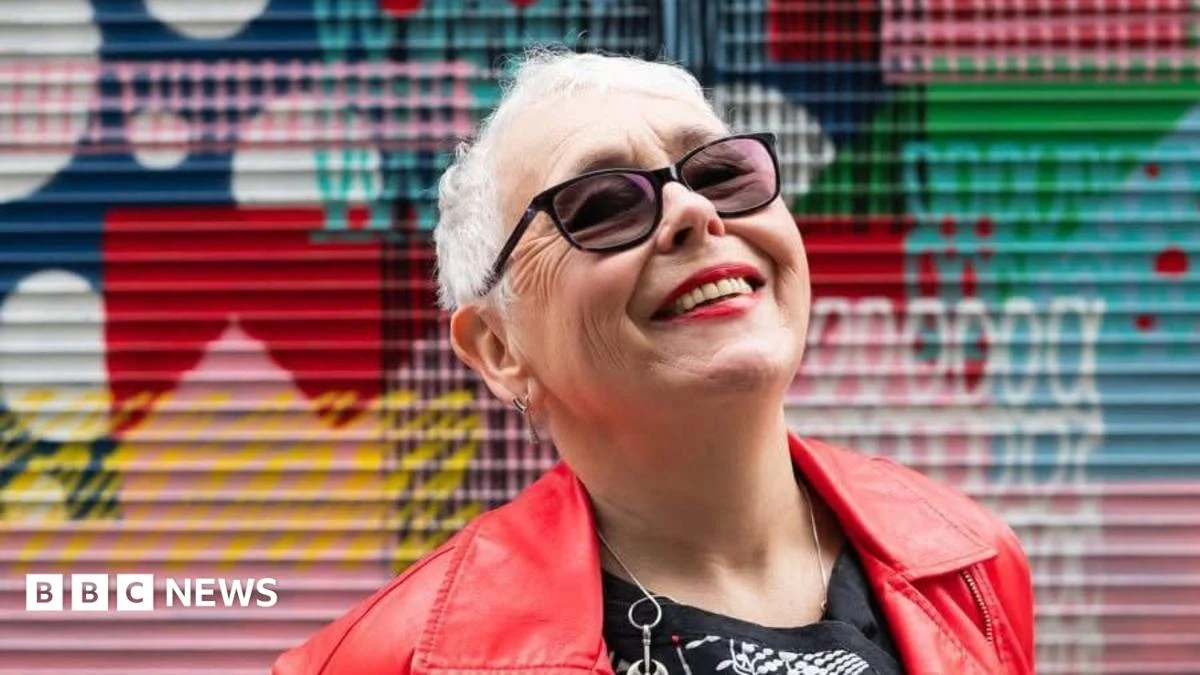
Mindy Meleyal, a vibrant 75-year-old lesbian, has witnessed the arc of modern LGBTQ+ rights in Britain, from the decriminalisation of homosexuality in 1967 to the landmark legalisation of same-sex marriage in 2014. Yet, despite her extensive lived experience and her integral role in these societal shifts, a growing concern weighs on her: the increasing likelihood that her LGBTQ+ identity will be overlooked and diminished as she navigates the challenges of ageing. She is a member of Britain’s burgeoning older LGBTQ+ community, a demographic that a recent report from the Centre for Ageing Better highlights as facing disproportionately poorer health outcomes, more precarious financial situations, and profound social isolation compared to their heterosexual counterparts.
The report issues a stark warning: without targeted and specialised support, this expanding segment of the population risks being compelled to retreat "back into the closet" when seeking essential care. The fear of experiencing homophobia and discrimination within healthcare settings is so potent that many older LGBTQ+ individuals may delay or even forgo seeking necessary medical attention, jeopardising their well-being. Adam Porter, a housing development manager at the LGBT Foundation charity, attests to the frequency with which he encounters older members of the community grappling with precisely these anxieties.
"It’s very common for people to hide things if they have a carer visiting their home, for example hiding their wedding photos or taking down a trans flag," Porter explains, his voice laced with concern. "In the case of someone moving into a care environment, that means hiding who they are in their own home, for what could be the rest of their life." He recounts being "horrified" by the personal testimonies he has heard from older LGBTQ+ individuals, including instances where carers have offered to "pray for them" in an attempt to "cure" their sexual orientation, a deeply intrusive and harmful act that underscores the pervasive societal prejudice they may still encounter.
It is precisely this need for safe and affirming environments that has spurred the creation of initiatives like Kindred House, a pioneering LGBTQ+ social housing scheme for individuals aged 55 and over, slated to open its doors in Manchester next year. This project aims to provide a sanctuary where older LGBTQ+ people can live with dignity, security, and the freedom to be their authentic selves. Norman, another individual who has benefited from the support offered by the LGBT Foundation during his relative independence, voices his deep-seated worry about facing discrimination should he require more formal care as he ages. "Hopefully I will maintain and look after myself the best I can, but I’ve heard horror stories of gay people in nursing homes being treated terribly," he confides, his words resonating with the fear that permeates many older LGBTQ+ lives. "I think nurses, doctors, carers should all be trained on how to look after LGBT people."
The imperative for such specialised training and inclusive environments is the driving force behind projects like Manchester’s Kindred House. While similar initiatives are not uncommon in other developed nations, with established LGBTQ+ senior housing projects in Spain, Sweden, Germany, the United States, and Canada, their presence in the UK remains remarkably sparse. The UK’s first dedicated LGBTQ+ retirement home, Tonic, which opened in London in 2021, offered 19 apartments for private rental or shared ownership. The profound interest and positive reception this pioneering scheme garnered led to its selection as the subject of a forthcoming Netflix documentary, which will tell the deeply personal story of one of its first residents, Chek Min-Ong. Min, aged 77, and his late partner Tim, after 43 years together, had made careful plans for a future where one of them would have to live alone, a poignant testament to their enduring love and foresight as Tim’s health declined.
While schemes like Kindred House and Tonic are met with enthusiastic approval by individuals like Mindy, Norman, and Min, the Spotlight on Ageing report underscores a critical looming challenge: the growing older LGBTQ+ population is projected to outpace the available supply of specialist services. Between 2019 and 2024, the number of individuals aged 50 and over identifying as lesbian, gay, or bisexual in the UK saw a substantial increase of approximately one-third, rising from around 340,000 to nearly 460,000. In stark contrast, the number of heterosexual individuals in the same age bracket increased by a more modest 4% during the same period. These demographic trends are expected to continue their upward trajectory as younger generations, who identify as LGBTQ+ in greater numbers, age into their senior years.
Porter issues a grave warning: without a significant expansion of initiatives akin to Kindred House, coupled with widespread training and enhanced awareness programmes for professionals in all care settings, the ageing LGBTQ+ population will face substantial difficulties in accessing the comprehensive and affirming support they deserve. For Mindy, who is actively contributing to a steering group advising on the development of these vital services, the prospect of more inclusive options becoming available in the future offers a much-needed sense of reassurance. "It’s important that you can go, that you think, ‘You know what, I could live there because I know the staffing, the ethics, the rules, everything about the place has been put together from an LGBTQ+ focus,’" she articulates, her passion evident. "That’s what we’ve been doing and it’s something I’m really proud of being a part of." This dedication reflects a broader movement to ensure that the twilight years of LGBTQ+ individuals are marked not by fear and invisibility, but by dignity, acceptance, and the freedom to celebrate their identities. The urgency of this mission is amplified by the increasing visibility and growth of the older LGBTQ+ community, a community that has fought for decades for the right to live openly and is now fighting for the right to age with that same freedom.



 Nakalama John
 Nana Banana