Roy Suryo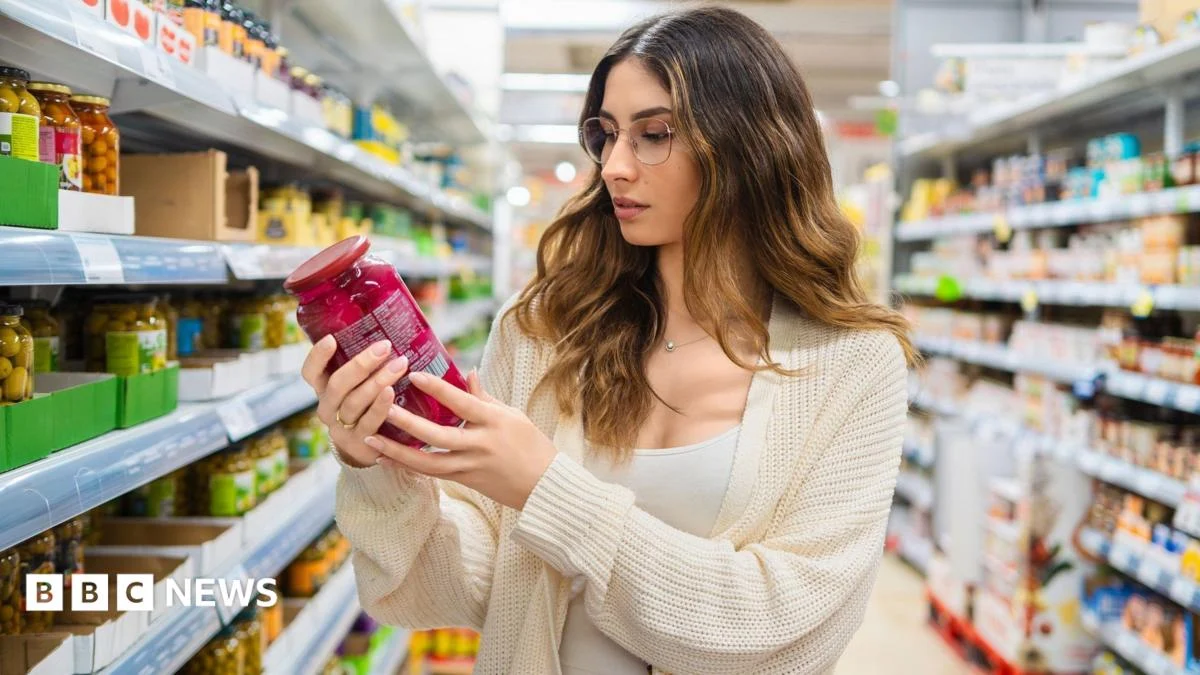
In the face of unforeseen circumstances, whether it’s a natural disaster, a prolonged power outage, or any other emergency that disrupts normal supply chains, having a well-stocked pantry is not just a matter of convenience, but a crucial aspect of preparedness. The ability to sustain oneself and one’s family during such times hinges on having access to nutritious, non-perishable food items that can provide essential sustenance. This article delves into the critical food and fluid provisions that individuals should consider stocking up on, drawing upon expert advice to ensure a comprehensive and healthy emergency supply.
Hydration is paramount in any emergency situation. According to registered dietitian McManamon, maintaining an intake of approximately 1,500-2,500 ml of fluid daily is vital, irrespective of the ambient temperature. While bottled water is the most straightforward and obvious choice for meeting these fluid needs, the reality of emergency scenarios often necessitates exploring alternative sources. McManamon highlights the value of "fluid-rich tinned foods" as a supplementary option when bottled water supplies may be limited or inaccessible. These canned goods can contribute significantly to overall fluid intake, offering a dual benefit of providing essential nutrients while also aiding in hydration.
A common concern among individuals preparing emergency food supplies revolves around the nutritional equivalence of tinned food compared to its fresh counterpart. Dr. Gill, a proponent of a balanced emergency diet, unequivocally states that canned food can absolutely be integrated into a healthy eating plan. She elaborates on the nutritional profile of canned goods, asserting that "there is little difference nutritionally between canned and fresh food in terms of macronutrients, like carbohydrates, protein, fats, and fibre, as well as fat-soluble vitamins, like vitamin A and E, and minerals." This insight is crucial for dispelling any misconceptions that canned foods are inherently inferior in nutritional value. The core building blocks of our diet – carbohydrates for energy, protein for tissue repair and growth, fats for hormone production and cell function, and fibre for digestive health – are largely preserved during the canning process. Similarly, fat-soluble vitamins, which are crucial for various bodily functions and are absorbed with dietary fats, remain well-represented in canned foods. Minerals, essential for everything from bone health to nerve function, also exhibit remarkable stability during canning.
However, it is important to acknowledge that the canning process is not entirely without its nutritional compromises. Dr. Gill points out that certain water-soluble vitamins, such as those in the B-complex group and vitamin C, may experience a reduction in levels. The heat applied during sterilization, a necessary step for preserving the food and preventing spoilage, can degrade these more delicate vitamins. Despite this acknowledged decrease, Dr. Gill offers reassurance that these canned foods can still serve as a "useful source" of these vitamins. This means that while they might not offer the same abundance as freshly prepared equivalents, they still contribute to the body’s overall vitamin intake, preventing severe deficiencies. For a truly comprehensive emergency food strategy, this understanding underscores the importance of diversifying the types of canned goods and, where possible, supplementing with other shelf-stable sources of these specific vitamins.
When building an emergency food stockpile, a strategic approach focusing on variety, nutritional density, and long shelf life is paramount. Beyond the general recommendations regarding hydration and the nutritional merits of canned goods, specific categories of food items stand out for their suitability in emergency preparedness.
Grains and Starches: These form the foundation of caloric intake and provide sustained energy.
- Rice: White rice has an exceptionally long shelf life when stored properly in airtight containers, often decades. It’s a versatile staple that can be paired with various other ingredients. Brown rice offers more fibre and nutrients but has a shorter shelf life.
- Pasta: Dried pasta is another excellent choice, offering carbohydrates and a long shelf life. It cooks relatively quickly, making it a practical option during emergencies.
- Oats: Rolled oats or steel-cut oats are highly nutritious, providing complex carbohydrates and fibre. They can be prepared as a hot breakfast or used in other recipes. Look for quick-cooking varieties for faster preparation.
- Crackers and Hardtack: Plain, unsalted crackers and hardtack are designed for extreme longevity and are a good source of carbohydrates. They can be a simple snack or a base for other toppings.
- Bread Mixes/Flour: If you have the means to bake, having flour and yeast or complete bread mixes can provide fresh bread, a welcome comfort and a good source of nutrients.
Proteins: Essential for muscle repair, immune function, and satiety.
- Canned Meats: Tuna, salmon, chicken, and ham are excellent sources of protein and can be eaten directly from the can or added to other dishes. Opt for those packed in water or oil for versatility.
- Canned Beans and Legumes: Black beans, kidney beans, lentils, chickpeas, and other dried or canned legumes are nutritional powerhouses. They are rich in protein, fibre, and essential minerals like iron and folate. They are also incredibly cost-effective.
- Peanut Butter and Nut Butters: These are calorie-dense and packed with protein and healthy fats. Their long shelf life makes them an ideal emergency food.
- Nuts and Seeds: Almonds, walnuts, sunflower seeds, and pumpkin seeds offer protein, healthy fats, fibre, and micronutrients. They are a great portable snack.
- Jerky: Dried meat jerky is a high-protein, shelf-stable option. Choose varieties with lower sodium content.
- Powdered Milk/Evaporated Milk: Essential for adding protein and calcium to diets, especially for children. Powdered milk can be reconstituted with water, and evaporated milk can be used in cooking and baking.
Fruits and Vegetables: Crucial for vitamins, minerals, and fibre.
- Canned Fruits: Peaches, pears, pineapple, and fruit cocktail, preferably packed in their own juice or water, offer vitamins and natural sugars.
- Canned Vegetables: Corn, peas, green beans, carrots, and tomatoes are vital for their vitamin and mineral content. Look for low-sodium options.
- Dried Fruits: Raisins, apricots, cranberries, and mangoes are concentrated sources of vitamins, minerals, and fibre. They are lightweight and have a long shelf life.
- Fruit and Vegetable Juices: While not a complete substitute for whole fruits and vegetables, 100% fruit and vegetable juices can contribute to fluid intake and provide some vitamins and minerals.
Fats and Oils: Important for energy, absorption of fat-soluble vitamins, and satiety.
- Cooking Oil: Vegetable oil, olive oil, or coconut oil are essential for cooking and can add calories and flavour to meals. Store in durable, dark containers.
- Shortening: Shelf-stable shortening can be used in baking and cooking.
Other Essential Items:
- Sugar and Salt: For flavouring and preservation.
- Honey: A natural sweetener with a very long shelf life.
- Bouillon Cubes/Powders: To add flavour to water and create broths.
- Spices and Seasonings: To make food more palatable.
- Coffee, Tea, and Other Beverages: For comfort and morale.
- Comfort Foods: Small treats like hard candies, chocolate bars, or cookies can be important for morale during stressful times.
Storage and Rotation:
Proper storage is as critical as the items themselves. All food items should be stored in cool, dark, and dry conditions. Airtight containers, such as Mylar bags, food-grade buckets, and vacuum-sealed bags, are essential for protecting against moisture, pests, and oxygen, which degrade food quality and shorten shelf life. Regular rotation of inventory is also crucial. Implement a "first-in, first-out" system, using older items before they expire and replenishing your stock. Aim to store at least a three-day supply, with a two-week to one-month supply being ideal for most households.
Considering Dietary Needs:
It is imperative to consider the specific dietary needs and preferences of all household members. This includes infants, the elderly, individuals with allergies or intolerances (e.g., gluten-free, dairy-free), and those with medical conditions requiring special diets. Ensure your emergency food supply can cater to these unique requirements. For example, stocking up on infant formula, specialized dietary supplements, or allergy-friendly alternatives is a vital part of comprehensive preparedness.
Beyond Food: Essential Considerations:
While food and water are paramount, an emergency preparedness kit should also include other critical items. This includes a manual can opener, cooking utensils, a portable stove or fuel, a first-aid kit, sanitation supplies, and a way to purify water if your primary supply is compromised. The psychological impact of an emergency cannot be underestimated. Having a variety of foods, including some familiar comfort items, can significantly boost morale and help individuals cope with the stress of an unsettling situation. The ability to prepare and enjoy a meal, even a simple one, can be a source of normalcy and resilience.
In conclusion, stocking up on emergency food items is a proactive measure that empowers individuals and families to navigate challenging circumstances with greater security and well-being. By prioritizing hydration, understanding the nutritional value of shelf-stable foods like canned goods, and carefully selecting a diverse range of grains, proteins, fruits, vegetables, and fats, one can build a robust and reliable emergency pantry. Coupled with proper storage, regular rotation, and consideration for individual dietary needs, this preparedness can provide essential sustenance and peace of mind when it is needed most.




 Nakalama John
 Nana Banana