Roy Suryo

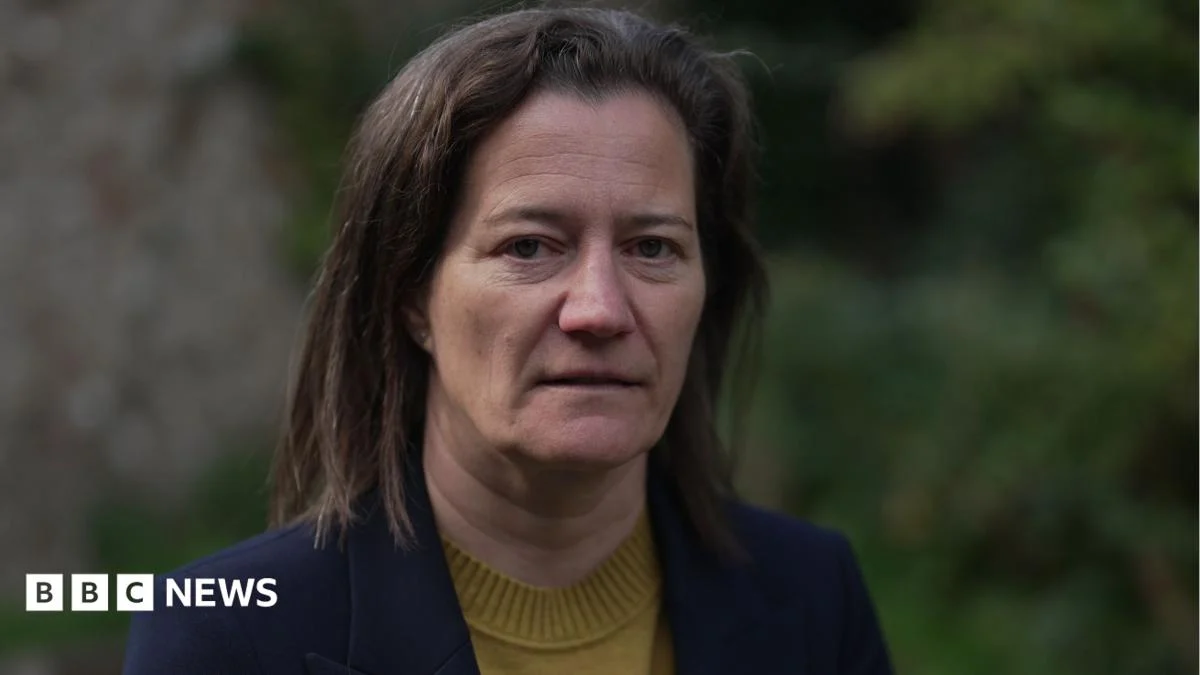
Charlotte McCann has been dealing with severe pain from endometriosis since she was 14. It became so intolerable as an adult she had to leave her chosen career. She would wake up in the night vomiting, and on some days Charlotte found she could not stand or get out of bed. It is a myth that endometriosis is a painful period condition – rather, it is a system-wide inflammatory disease where cells, similar to those which line the womb, start to grow in other parts of the body. This can be on the bowel or in the lungs – and the cells multiply, creating raw and angry sores. Those affected can wait years for diagnosis, and there is no cure – meaning women are left grappling with debilitating pain that can affect their relationships, work, education and mental health. Now aged 27, Charlotte hopes a new pain management programme for the condition, which is being trialled as part of a £2.3m study, might help others in her position. The UK-wide study, led by the University of Aberdeen and NHS Grampian, will include pain medication alongside other treatments such as physiotherapy, and will investigate whether a personalised plan can improve quality of life.
Charlotte, from Huntly in Aberdeenshire, is currently living with stage 4 endometriosis. She had to abandon her career in corporate finance due to the pain, and now works as a freelance pet-sitter when she can. "I would wake up in the night vomiting and I was always worried that maybe my appendix had burst or I had a kidney infection or something like that," she recalled. "The pain would come on so strong, I wouldn’t be able to even sit up straight, I wouldn’t be able to stand up. It was heavily disrupting my life. I couldn’t focus on anything, and I couldn’t sleep or eat because of the pain. There’s no way I could continue my nine-to-five job when I could barely sit up." Charlotte said she had years of not knowing what was wrong, until an MRI scan confirmed endometriosis. It affected her bladder, and has spread to other parts of her body. "I am now on very strong opioid painkillers to try to get on top of the pain, but they make me feel very sick, to the point I can’t eat, so I have lost a lot of weight now as well," she said. Charlotte described being in so much pain that there are days when she cannot get out of bed. She also has to use walking aids to get around due to the pain in her back brought on by her endometriosis symptoms. She tried surgery to remove the tissue in question, but the symptoms returned. Asked about the new trial, Charlotte said she was optimistic. "Endometriosis has had a huge impact on my life, and I am delighted to hear that they are looking at new ways to help the millions of women who are suffering with this every single day."
What does the trial involve?
Preparatory work has now begun for the five-year study, which is being funded by the National Institute for Health and Care Research (NIHR). Once participants are recruited, they will take part in a 12-week personalised programme – called an endometriosis-specific pain management programme (e-PMP). The project will evaluate whether this strategy can offer more effective treatment for women who find their pain is not adequately controlled by surgery or medication. It includes cognitive behavioural therapy (CBT)-informed psychotherapy, specialist physiotherapy, guidance on relationships, intimacy and communication, and medication to reduce side effects. Pre-menopausal women will either receive the new programme alongside existing standard care, or existing standard care alone, with the results of each approach then compared. Eligible participants will be recruited to the study by their specialist. Consultant gynaecologist Dr Lucky Saraswat, an honorary senior lecturer at the university, and lead for Aberdeen Endometriosis Centre at NHS Grampian, is heading the study. "Endometriosis is one of the most common yet under researched causes of chronic pain," she said. "Many women continue to suffer even after surgery or medication. This study will help us understand whether a tailored, interdisciplinary pain management programme can offer meaningful, long term improvements in quality of life. If effective, e-PMP could become a vital new treatment option, particularly for women who wish to avoid repeated surgery or hormonal therapies, or who are planning a pregnancy."
‘Revolutionise care’

Alongside the clinical results, the study will also aim to assess cost effectiveness. Prof Anthony Gordon, director of NIHR’s health technology assessment programme, said many women could face years of "agonising" symptoms with few long-term options. "High-quality research is essential to break this cycle and deliver treatment that addresses the full, complex impact of endometriosis," he said. "By evaluating tailored, non-surgical pain management, this trial could revolutionise care – providing desperately needed support, improving daily lives, and offering long-term relief when standard treatments haven’t worked." Emma Cox, chief executive of Endometriosis UK, added: "Symptoms of endometriosis including chronic pelvic pain can have a significant impact on someone’s physical and mental health, and research is vital to helping improve management and treatment options. We welcome this much-needed research and look forward to working with the team to see how an endometriosis specific pain management programme could support those with the disease in the future."
The debilitating impact of endometriosis, a chronic inflammatory disease affecting millions of women worldwide, is being brought into sharper focus with a groundbreaking new trial launched in the UK. This multi-million-pound study, led by the University of Aberdeen and NHS Grampian, aims to transform the lives of those suffering from this often-misunderstood condition, offering a beacon of hope for improved pain management and quality of life.
For individuals like Charlotte McCann, the journey with endometriosis has been a protracted battle against relentless pain. Diagnosed with stage 4 endometriosis at a young age, Charlotte’s life has been profoundly shaped by the disease’s pervasive influence. Her personal account vividly illustrates the severity of symptoms, ranging from debilitating nocturnal vomiting to an inability to leave her bed on particularly bad days. This chronic pain forced her to abandon a promising career in corporate finance, a stark reminder of how endometriosis can derail personal and professional aspirations. The struggle for diagnosis itself is a common narrative within the endometriosis community, with many women enduring years of unanswered questions and escalating suffering before receiving a definitive diagnosis.
Endometriosis is often misconstrued as merely a "bad period." However, the reality is far more complex and severe. It is an inflammatory disease where tissue similar to the lining of the uterus, the endometrium, grows outside the uterus. These misplaced cells can implant on various organs, including the ovaries, fallopian tubes, bowel, and even the diaphragm or lungs. These lesions respond to hormonal changes, bleeding and causing inflammation, scar tissue, and adhesions. This can lead to severe pelvic pain, painful periods (dysmenorrhea), pain during or after intercourse (dyspareunia), painful bowel movements, infertility, and a host of other debilitating symptoms that extend beyond the menstrual cycle. The systemic nature of the inflammation can affect multiple bodily systems, impacting energy levels, digestion, and overall well-being.
Charlotte’s experience highlights the inadequacy of current treatment options for many. Despite undergoing surgery to remove the problematic tissue, her symptoms have recurred, a common frustration for endometriosis patients. The reliance on powerful opioid painkillers, while offering some relief, comes with its own set of severe side effects, including nausea and weight loss, further compromising her quality of life. The need for walking aids due to back pain, a symptom directly linked to her endometriosis, underscores the physical limitations imposed by the disease. Her testimony serves as a powerful testament to the urgent need for more effective and sustainable treatment strategies.
The new £2.3 million study is designed to address these unmet needs by investigating the efficacy of a novel, personalised pain management programme. This comprehensive, 12-week intervention, known as an endometriosis-specific pain management programme (e-PMP), moves beyond a singular focus on medication or surgery. It adopts a holistic approach, integrating a range of therapeutic modalities to address the multifaceted nature of endometriosis-related pain.

Central to the e-PMP is the inclusion of cognitive behavioural therapy (CBT)-informed psychotherapy. This component aims to equip patients with coping mechanisms to manage the psychological burden of chronic pain, addressing issues such as anxiety, depression, and the impact of pain on self-esteem and social functioning. Specialist physiotherapy is another crucial element, focusing on improving pelvic floor function, addressing muscle imbalances, and reducing pain through targeted exercises and manual therapy. The programme also incorporates crucial guidance on relationships, intimacy, and communication, acknowledging the significant strain that chronic pain can place on personal connections. Furthermore, it includes medication strategies designed to manage side effects and optimise overall well-being.
The study, funded by the National Institute for Health and Care Research (NIHR), will compare the outcomes of women receiving the e-PMP alongside standard care with those receiving standard care alone. This rigorous methodology will allow researchers to determine whether the personalised, interdisciplinary approach offers a significant improvement in quality of life for women whose pain is not adequately managed by existing treatments. The focus on pre-menopausal women in this initial phase reflects the typical age range affected by the disease.
Dr. Lucky Saraswat, a consultant gynaecologist and lead for the Aberdeen Endometriosis Centre at NHS Grampian, is at the forefront of this research. She underscores the importance of this study, stating, "Endometriosis is one of the most common yet under researched causes of chronic pain. Many women continue to suffer even after surgery or medication." Dr. Saraswat’s vision is that the e-PMP, if proven effective, could become a "vital new treatment option," particularly for those seeking alternatives to repeated surgeries or hormonal therapies, and especially for women planning pregnancies, where hormonal treatments can be contra-indicated.
The potential impact of this trial extends beyond immediate clinical benefits. Professor Anthony Gordon, director of NIHR’s health technology assessment programme, highlights the long-term implications, stating that this research could "revolutionise care" by providing desperately needed support and long-term relief. The study will also assess the cost-effectiveness of the e-PMP, a crucial factor in ensuring its accessibility and widespread adoption within healthcare systems.
The initiative has garnered strong support from advocacy groups like Endometriosis UK. Emma Cox, the organisation’s chief executive, emphasizes the critical role of research in improving management and treatment options for a condition that significantly impacts both physical and mental health. Her endorsement signifies a collective hope within the endometriosis community for advancements that can genuinely transform lives.
For Charlotte, the trial represents more than just a research study; it embodies a tangible hope for a future where chronic pain does not dictate her existence. "Endometriosis has had a huge impact on my life, and I am delighted to hear that they are looking at new ways to help the millions of women who are suffering with this every single day," she states, her words echoing the sentiment of countless women who have long awaited such progress. This pioneering trial holds the promise of not only alleviating suffering but also of fostering a deeper understanding and more effective management of endometriosis, offering a much-needed glimmer of hope to millions globally.