Roy Suryo
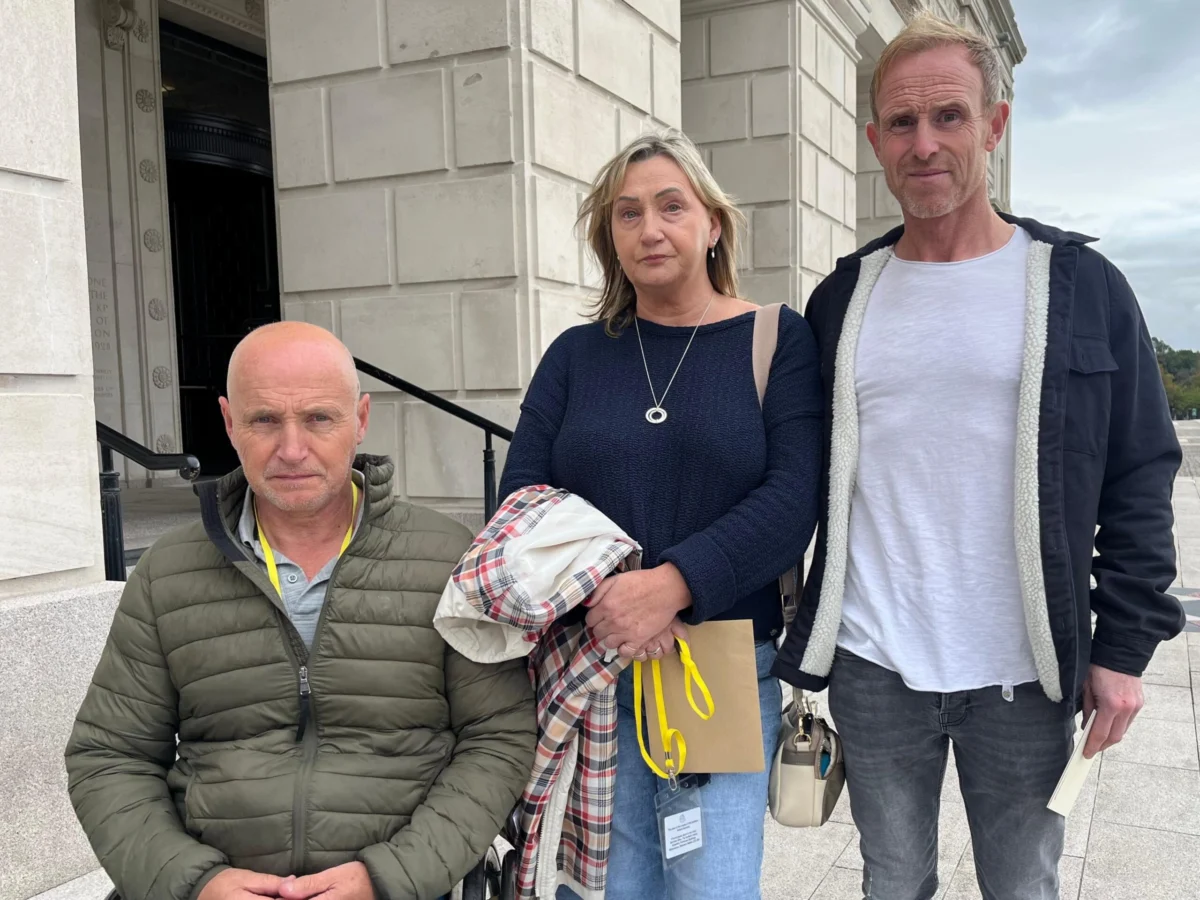
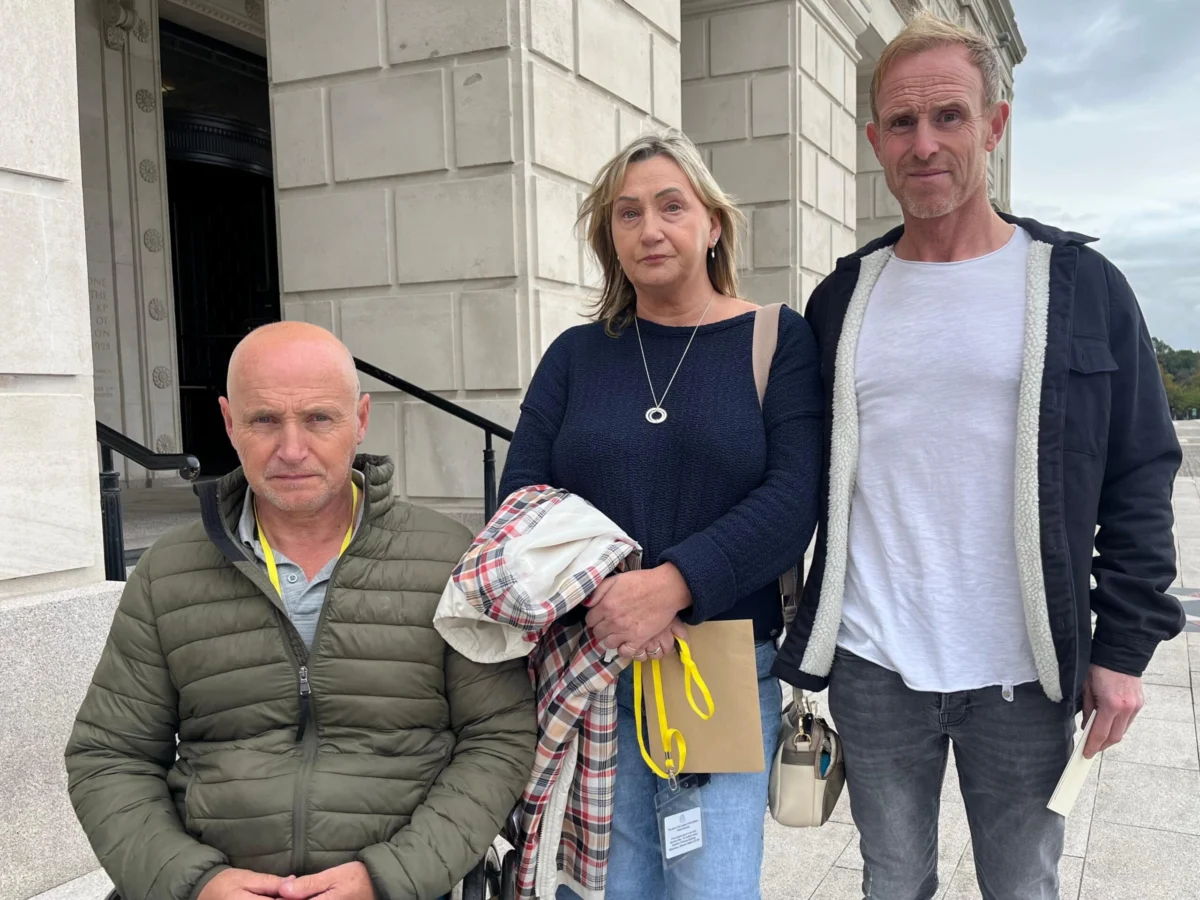
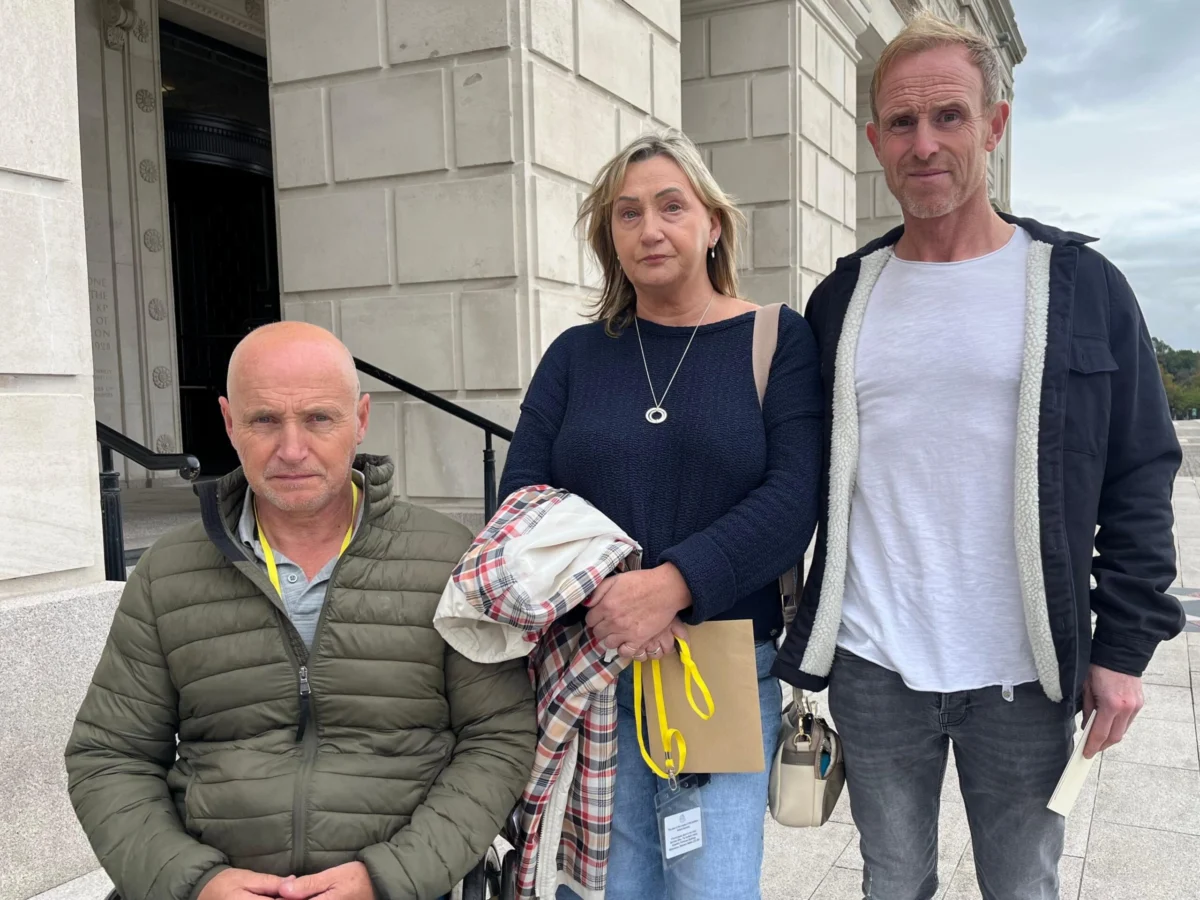
The family of Louise Corbett Gibbons, a 24-year-old woman who tragically died from cervical cancer in 2008 after her smear test was reportedly misread, has lent their powerful support to the growing calls for a comprehensive public inquiry into Northern Ireland’s cervical screening service. While Louise’s devastating loss predates the widely publicised cervical screening scandal involving the Southern Health Trust, her widower, Neville Gibbons, and her aunt, Joy Fairley, stood alongside campaigners on Tuesday to mark the third anniversary of that controversy coming to light. The Southern Trust scandal, which necessitated the rechecking of smear tests for approximately 17,500 women dating back to 2008, has amplified existing concerns about the safety and effectiveness of the screening programme across Northern Ireland.

Campaigners, operating under the banner "Ladies with Letters," have been relentlessly advocating for a statutory public inquiry, arguing that the issues uncovered within the Southern Trust may not be isolated incidents. They contend that the systemic problems could potentially extend to other health trusts throughout Northern Ireland, affecting a wider population of women.
Neville Gibbons recounted the harrowing final weeks of his wife’s life. He revealed that upon receiving Louise’s cancer diagnosis, doctors gave her "only weeks to live." In a heartbreaking testament to their love, the couple, who had been together for eight years, decided to marry the following week. Louise passed away just three weeks later, a devastatingly short time after their wedding. He described their wedding day as "the saddest day of my life," a sentiment born from the anguish of watching his wife, whom he deeply loved, confined to a wheelchair, knowing her time was so limited. The profound grief and trauma left Neville struggling with his mental health for an extended period.

The emergence of the Southern Trust screening scandal in recent years brought a fresh wave of painful memories for Neville. He shared that Louise’s family had been informed that her smear test had been misread, but they were also told that "she would have passed away anyway." This assertion, however, is something the family profoundly rejects. Neville firmly believes that Louise was "never given the chance to start off with," suggesting that an earlier, accurate diagnosis could have offered her a fighting chance. Louise was a patient under the care of the Belfast Health Trust, and BBC News NI has reached out to the trust for comment on this matter.
Enda McGarrity, a solicitor representing the "Ladies with Letters," emphasized that numerous women outside the Southern Trust’s catchment area have also been impacted by issues within the cervical screening system. He explained that the group’s renewed plea for a public inquiry extends beyond the Southern Trust, which, while bringing critical issues to light, may not represent the full scope of the problem. McGarrity highlighted that a cervical screening programme operated across all of Northern Ireland during the period in question. Therefore, he argued, there is a compelling need for an investigation to determine if similar issues were replicated in other trusts. He stated, "At the very least, there should be an investigation into whether these issues were replicated in other trusts. At this stage it’s an issue where there is a concern that there’s a link between those and how the cervical screening programme actually performed throughout those years and at the least it merits further investigation."

Earlier this year, the former Health Minister, Mike Nesbitt, declined to initiate a public inquiry into the failings of Northern Ireland’s cervical screening service. Undeterred, Heather Thompson and Tracey Bell, prominent figures within the "Ladies with Letters," joined by several cross-party assembly members, gathered on the steps of Stormont on Tuesday to reiterate their urgent demand for a public inquiry.
Thompson shared that the group was deeply affected upon learning about Louise’s tragic death, noting that it hit them "very hard." She expressed a profound concern that "other ladies out there" may have endured similar harrowing experiences. Tracey Bell revealed that the group is scheduled to meet with the current Health Minister, Robbie Butler, next month. She conveyed a sense of hope that Minister Butler would "listen carefully to the experiences of women and families affected" and "recognise why this matter could not be considered closed." The persistent advocacy of Louise’s family and the "Ladies with Letters" underscores the urgent need for transparency, accountability, and systemic improvements to ensure that no other woman in Northern Ireland suffers a similar fate due to failures in cervical screening. The call for a public inquiry is not merely about addressing past wrongs but about safeguarding the future health and well-being of countless women. The hope is that a thorough investigation will not only uncover the full extent of any systemic failures but also lead to robust reforms that restore public confidence in a vital public health service. The legacy of Louise Corbett Gibbons, tragically cut short, now serves as a poignant reminder of the critical importance of timely and accurate medical care, and the profound impact that errors in the system can have on individuals and their families. The fight for a public inquiry is a fight for justice, for answers, and for a future where cervical cancer is detected and treated effectively for all.