
 Nakalama John
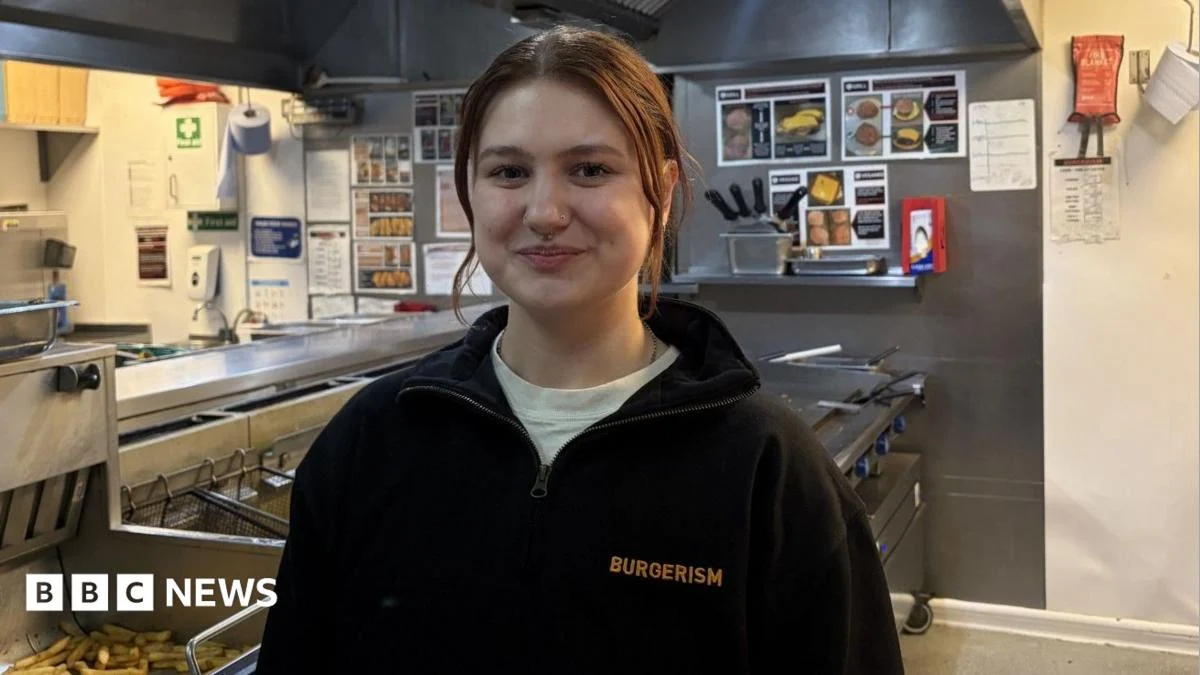
Morgan Austin, the 26-year-old operations manager for Burgerism, a rapidly expanding burger chain that first opened in Salford in 2018 and now boasts six main locations across Greater Manchester, acknowledged a minor positive. "Really appreciate the gherkins – that is fantastic for us," Austin stated, highlighting a specific, albeit small, benefit for her business. Burgerism, like many burger establishments, uses a significant quantity of gherkins (often referred to as pickles), and the removal of import tariffs on these items could lead to marginal savings on procurement costs. However, this glimmer of positive news was quickly overshadowed by a broader sense of disappointment regarding the absence of more impactful support. Austin expressed a strong desire for more substantial interventions, particularly a reduction in Value Added Tax (VAT) for hospitality businesses, a measure widely advocated by industry bodies as a potent tool for economic recovery and stability.
Austin elaborated on the significant financial strain already imposed on businesses like Burgerism by previous government policies. She revealed that increases to the National Living Wage (minimum wage) and employer National Insurance Contributions (NICs) following the preceding Budget had collectively cost Burgerism approximately £150,000 annually. For a business that, while growing, is not yet a national giant, this figure represents a substantial hit to profitability and growth potential. "We’re not a massive business," she emphasised. "That is a big hit to us, and that could be a whole new site for us." This considerable sum, she explained, could otherwise have been reinvested into expansion, funding the establishment of a new Burgerism outlet, creating dozens of new jobs, and fostering opportunities for young people entering the workforce. "We would love to open more sites, have more jobs going for people, hire new young people, but things like that make it really difficult sometimes," Austin lamented, articulating the direct link between policy decisions and the practical ability of businesses to contribute to economic growth and employment. She further argued that the Budget’s measures failed to adequately support medium-sized enterprises like hers that possess the ambition and capacity to expand but are constrained by rising operational costs and a lack of meaningful governmental assistance. Austin humorously conceded the niche appeal of one of the Budget’s key offerings: "Everyone loves a pickle, except for the 25% of people that take them off the burgers," before adding a more serious note, "I’m sure, for other businesses though, they would have loved to have seen some other things that aren’t pickles, because I think pickles can be quite niche." This sentiment encapsulates the feeling that the government’s chosen interventions were too specific and too minor to address the systemic issues plaguing the sector.
Hassan Zahid, the 29-year-old proprietor of Fuego 1987, an American-Mexican fusion street food business operating in Manchester, echoed Austin’s disillusionment, stating that the tariff changes would have only a "really minor" impact on his operations. For a business heavily reliant on core protein ingredients, the reduction of tariffs on items like garlic offers negligible relief. "It would have helped if they reduced tariffs on raw products such as meat or chicken – the items we use as a bulk amount," Zahid explained. He highlighted that such a measure would directly impact his primary cost drivers, allowing his business to "gain some profits rather than reducing it on garlic," which constitutes a minuscule fraction of his overall expenditure. The focus on low-volume, specialised ingredients, rather than high-volume staples, underscores a disconnect between the government’s perceived support and the actual needs of food businesses.
The critique was even sharper from Gavin Williams, co-owner of Mattina coffee shop in Salford, Greater Manchester. Williams dismissed the Budget’s offerings as largely performative, stating, "I think it’s a classic Andy Burnham style – we’re going to do loads to help you out, but actually, when you look at the fine detail, the impact is nothing." This pointed analogy suggests a perception of grand announcements that deliver little tangible benefit on the ground. Williams’s coffee shop, which makes significant use of plant-based milk alternatives, would appear, on the surface, to be a beneficiary of the tariff changes. However, he quickly clarified that these measures would not benefit his business because its suppliers are predominantly UK-based and therefore exempt from import tariffs. "Our almond milk comes from Southport, which is a few miles down the road. Our oat milk comes from Milton Keynes," Williams explained. "So, we already produce these goods in the UK. The tariff doesn’t include import goods on the raw ingredients. So, what difference is it going to make? Zero." This highlights a critical flaw in the government’s approach: the benefits of tariff reductions are often geographically limited and fail to account for the increasing trend of domestic sourcing, particularly for everyday commodities.
Williams passionately articulated the cumulative burden facing independent hospitality businesses, advocating strongly for a VAT reduction as the most impactful form of support. He painted a stark picture of escalating costs that are squeezing businesses from every angle. "You can’t keep increasing the minimum wage, increasing National Insurance Contributions, increasing pension contributions, increasing business rates, increasing energy, increasing everything, and not give us something back," he complained. This comprehensive list of rising expenditures – from labour costs and statutory contributions to property taxes and utility bills – illustrates the relentless pressure on profit margins. The hospitality sector, a vital contributor to the UK economy, employing millions and generating billions in revenue, has been particularly vulnerable to these increases, especially in the wake of pandemic-induced lockdowns and the subsequent inflationary surge. Williams concluded with a stark assessment of the current operating environment: "It’s getting harder and harder and harder to just maintain opening a business."
The sentiment across these varied hospitality businesses – from burger chains to street food vendors and independent coffee shops – is one of profound disappointment and a sense of being undervalued. Industry bodies, such as UKHospitality, have consistently lobbied for a reduction in the VAT rate for the sector, arguing that it would provide immediate and significant relief, enabling businesses to absorb rising costs, invest in growth, and maintain competitive pricing for consumers. A temporary VAT cut from 20% to 5% during the pandemic provided a lifeline, and its subsequent reinstatement has been cited as a major factor in the ongoing struggles. The government’s decision to focus on what many perceive as minor, peripheral tariff adjustments, rather than addressing core fiscal pressures like VAT, labour costs, or business rates, has deepened the skepticism within a sector that is not merely seeking handouts, but a more equitable and supportive operating environment to thrive. The ‘garlic and gherkins’ Budget move, therefore, stands as a symbol of a perceived disconnect between government policy and the urgent realities faced by Britain’s struggling hospitality industry.


 atisusanti
 Ramos Leo
 Roy Suryo

 Nana Banana
 George Anjay
