
 Nakalama John

Speaking from the Treasury, Healey articulated the rationale behind the measures, attributing the current economic strain to external geopolitical factors. She stated unequivocally that the ongoing conflicts in Iran and Ukraine had "hit families here at home through higher everyday costs," underscoring the government’s view that global events were driving domestic financial difficulties. "We can’t control global events, but we can act where we can make a difference," she asserted, signalling a commitment to targeted interventions where national policy can exert influence. The Chancellor highlighted that while the UK economy remains susceptible to international commodity price shocks and supply chain disruptions, her administration was determined to shield consumers from the harshest impacts by strategically adjusting domestic fiscal levers. The suspension of these specific tariffs, effective immediately, is projected to result in a measurable reduction in retail prices for these goods, offering a small but tangible saving for millions of households. Industry analysts suggest that while the direct impact on a single shopping bill might be modest, the cumulative effect of such measures, if expanded, could contribute to a broader easing of inflationary pressures on food.
Beyond the headline-grabbing tariff suspensions, the pre-Budget package outlined a series of broader, multi-faceted initiatives aimed at bolstering household finances and supporting key demographics. Among the significant measures announced were:
- Targeted Fuel Duty Relief for Key Workers: Recognising the disproportionate impact of rising fuel costs on those who rely on their vehicles for work, particularly in essential services, the government introduced a new scheme offering a 5p per litre reduction in fuel duty for registered nurses, social care workers, and delivery drivers. This relief will be administered via a digital rebate system, accessible through a dedicated portal, designed to ensure the savings are passed directly to those on the frontline.
- Expanded Childcare Support for New Parents: To address the financial burden on families with newborns, the package includes an extension of the existing parental leave pay scheme by an additional two weeks at the statutory rate, applicable to parents of babies born after the start of the next financial year. Furthermore, the government announced a pilot program for "Baby Essentials Grants" in 20 deprived areas, providing £500 to eligible families to cover the costs of essential items like prams, car seats, and nappies.
- Increased Carer’s Allowance and Respite Care Funding: Acknowledging the invaluable contribution of unpaid carers, the Chancellor confirmed a 10% increase in Carer’s Allowance, surpassing the rate of inflation. This uplift is accompanied by a new £250 million fund allocated to local authorities to expand access to respite care services, offering much-needed breaks for carers and improving the quality of life for those they support.
- Energy Efficiency Home Improvement Grants: To tackle long-term energy costs, the government launched a £300 million scheme offering grants of up to £5,000 for homeowners and landlords to install energy-efficient measures such as insulation, heat pumps, and double glazing. This initiative aims to reduce household energy consumption, lower utility bills, and contribute to the nation’s net-zero targets.
- Strengthening Local Food Bank Networks: A further £50 million was pledged to bolster the capacity of food banks and community food initiatives nationwide. This funding will help these vital organisations cope with increased demand, improve logistical capabilities, and ensure a steady supply of nutritious food for vulnerable families.
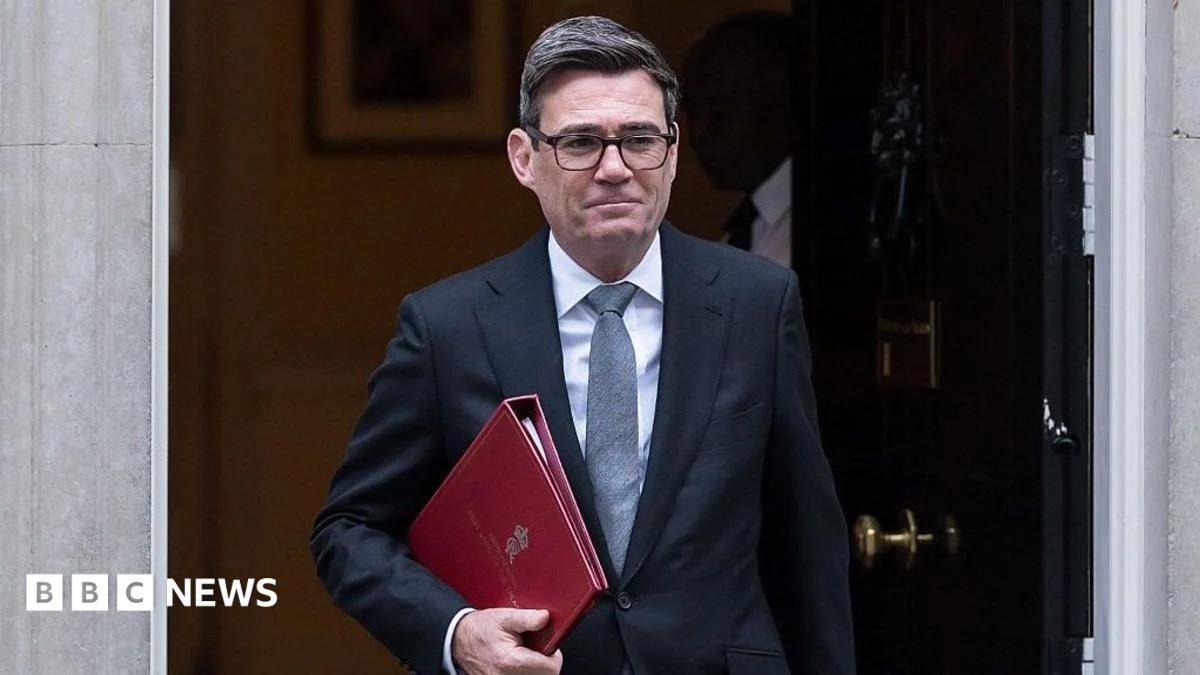
Prime Minister Andy Burnham enthusiastically endorsed the pre-Budget package, framing it as a testament to his government’s dual commitment to addressing both macro-economic challenges and the everyday realities faced by ordinary citizens. "We are taking on the big challenges facing the country – from global instability to long-term economic growth," Burnham affirmed. "But that doesn’t mean losing sight of the everyday problems that cost people money or simply aren’t fair. This package is about practical, impactful solutions that demonstrate our understanding of the pressures on household budgets." He reiterated his administration’s focus on supporting those who contribute most to society, citing the specific examples detailed in the new measures. "If you’re a nurse driving for work, battling early shifts and rising petrol prices; a parent spending those precious first weeks with your new baby, grappling with unexpected costs; or an unpaid carer picking up an extra shift, tirelessly looking after a loved one – these changes will make life a little easier and put more money back in your pocket." The Prime Minister’s emphasis on tangible relief for key workers and vulnerable groups aims to reinforce the government’s narrative of being a compassionate and responsive administration, acutely aware of the financial tightrope many families are walking. He underlined the belief that by alleviating these immediate pressures, the government could foster greater economic stability and confidence, allowing individuals and families to plan for the future with more certainty.
However, the opposition Conservatives swiftly dismissed the package as a collection of insufficient "everyday fixes" that, they argued, would be utterly dwarfed by the broader economic headwinds exacerbated by the current government’s policies. Shadow Chancellor Andrew Griffith launched a scathing critique, asserting that any minor benefits from the new measures had already been "wiped out by higher borrowing costs, taxes and inflation." Griffith argued that while the government might offer a token saving on a jar of marmalade, families were simultaneously facing soaring energy bills, increased council tax, and a broader erosion of their disposable income due to persistent inflation and what he termed "Labour’s tax rises." He pointed to recent increases in National Insurance contributions and potential future adjustments to income tax thresholds as examples of the government’s fiscal approach putting more pressure on families than any tariff suspension could offset.
"Shoppers face rising costs at the till every single week, and families are struggling desperately to make ends meet, worried about putting food on the table and heating their homes," Griffith declared with palpable indignation. "But Burnham’s grand plan for this national crisis is cheaper gherkins. This isn’t just a misjudgment; it is an insult to families hammered by Labour’s punitive tax rises and the cost of living crisis that has spiralled under their watch." The Shadow Chancellor contended that the government was failing to address the fundamental drivers of inflation and economic stagnation, instead resorting to what he labelled as "headline-grabbing gimmicks" that offered little genuine relief. He advocated for a strategy focused on broad-based tax cuts, fiscal discipline to reduce national debt, and supply-side reforms to stimulate economic growth, rather than what he described as a piecemeal approach of targeted subsidies and tariff suspensions. The Conservative Party’s response highlighted the deep ideological chasm between the government and opposition regarding the most effective remedies for the nation’s economic woes, setting the stage for an intense parliamentary debate as the full Budget approaches.



 George Anjay
 atisusanti
 Ramos Leo

 Roy Suryo
 Nana Banana
