
 Roy Suryo
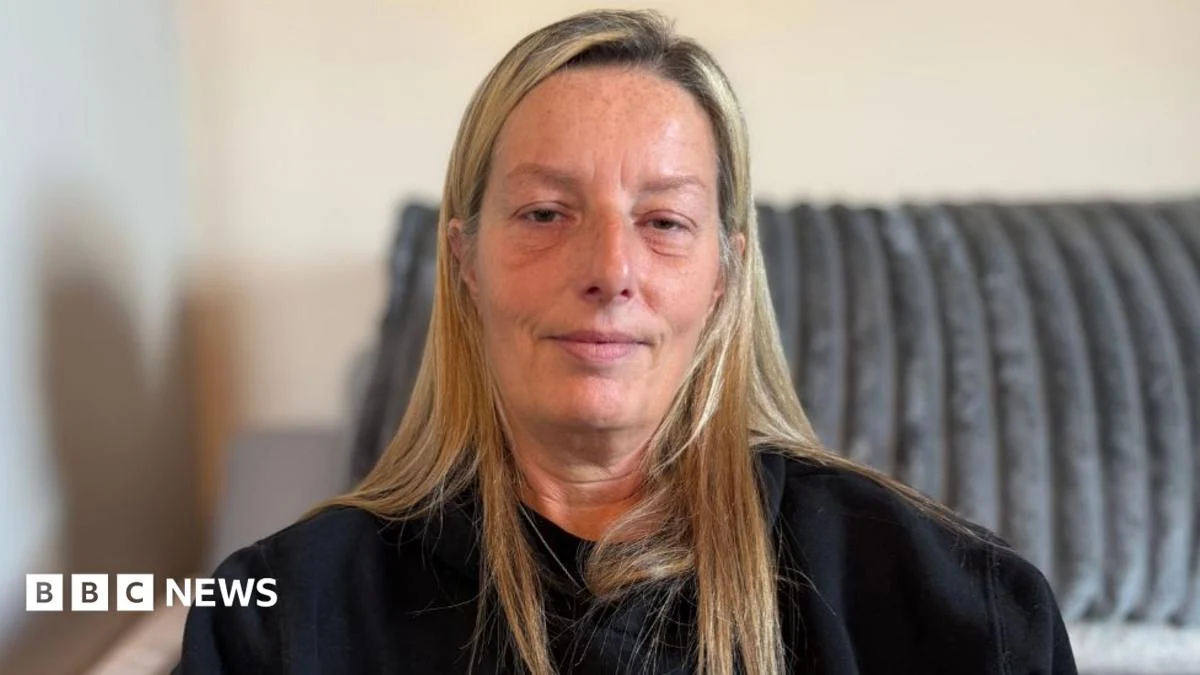
A devastating medicine shortage gripping the United Kingdom has plunged a Multiple Sclerosis (MS) patient into "horrific pain," leaving her bedridden and desperate for relief. Jill Kenning, who has battled MS for 18 years, has been unable to access Nabilone, a crucial medication that has allowed her to manage her debilitating pain and maintain a semblance of a normal life. The drug, a synthetic cannabinoid, has been vital for her, but since running out last Tuesday, she has spent most of her days confined to her bed, trapped by agony.
The Northern Ireland’s devolved health department has confirmed a widespread disruption to Nabilone supplies across the entire UK. Wholesalers are currently out of stock, with no immediate prospect of replenishment until December. This grim outlook has sent ripples of anxiety through the MS community and other patient groups reliant on this essential medication.
Brown & Burk UK Ltd, the pharmaceutical manufacturing company responsible for supplying Nabilone to the UK, has cited "technical issues" as the root cause of the disruption. While they assure that they are doing "all that [they] can at this point in time," the ongoing delay leaves patients like Jill in a precarious and painful situation.

The problem extends beyond Nabilone, with a recent tracker from the industry reference guide MIMS revealing a concerning upward trend in drug shortages across the UK. This year has seen a significant increase, with the number of drugs in short supply reaching 157 this week, a stark rise from the low of 107 recorded in January. This escalating crisis is impacting a growing number of patients, highlighting a systemic issue within the UK’s pharmaceutical supply chain.
Jill Kenning, a resident of Coleraine in County Londonderry, was diagnosed with MS in 2008 after experiencing visual disturbances. The progressive neurological condition, which affects the brain and spinal cord, soon led to numbness down the left side of her body. After a severe relapse that necessitated a four-week hospitalisation, she was prescribed Nabilone. The impact, she recalls, was transformative. "It helps me basically that I can get out of bed in the morning," she stated, underscoring the drug’s profound effect on her quality of life.
However, the absence of Nabilone has unleashed a torrent of pain. Jill describes the constant, searing agony in her eye as akin to being "stabbed with a hot poker." This excruciating pain has rendered her virtually immobile, forcing her to rely heavily on painkillers. The lack of sleep, nausea, and loss of appetite are further compounding her suffering, pushing her to the brink of despair. "I don’t want to be here any more because the pain is so bad," she confessed, her voice laden with anguish. "I don’t know how to describe it."
Upon attempting to secure her regular repeat prescription, Jill was met with the devastating news of Nabilone’s unavailability. Advised to contact her neurologist, she has since been prescribed alternative medications. Unfortunately, these substitutes have proven ineffective, and her health has deteriorated significantly, forcing her to spend several nights in hospital. "How do I live my life? How do I cope with the pain?" she questioned, her plea resonating with the desperation of countless patients facing similar predicaments. "I’m not only fighting for me, I’m fighting for all the other patients that are on this drug."

Understanding Multiple Sclerosis
Multiple sclerosis (MS) is a chronic, often unpredictable disease that affects the central nervous system. It occurs when the immune system mistakenly attacks the myelin sheath, a protective layer of protein that surrounds nerve fibres in the brain and spinal cord. This damage, known as demyelination, disrupts the communication signals between the brain and the rest of the body, leading to a wide range of symptoms that can vary greatly from person to person. These symptoms can include fatigue, vision problems, numbness and tingling, muscle spasms, balance and coordination difficulties, and bladder and bowel problems. The severity and progression of MS are also highly individualised, with some experiencing mild symptoms while others face significant disability.
The Department of Health’s Response
In response to the escalating crisis, Northern Ireland’s Department of Health (DoH) has acknowledged the widespread shortage of both licensed doses of Nabilone. The 1mg capsules began experiencing supply issues in July, with the 0.25mg strength becoming unavailable more recently. The DoH has stated that it is actively collaborating with the UK’s Department of Health and Social Care and various health trusts to mitigate the impact of this disruption. Guidance has been issued to healthcare professionals, outlining alternative treatment options, including the potential for unlicensed imports of Nabilone where feasible.

A DoH spokesperson recognised the distress caused by these supply disruptions, stating, "medicine supply disruptions can be concerning for patients and the healthcare professionals who care for them." They advised patients experiencing difficulties accessing their prescribed medication or harbouring concerns about alternative treatments to "speak to their specialist healthcare teams for advice about their treatment options."
The Manufacturer’s Perspective
Preetham Hiremat, Managing Director of Brown & Burk UK Ltd, expressed his company’s commitment to patient care, stating, "We put patients’ care first." He indicated a hopeful timeline for Nabilone stock to arrive in the UK by the end of November, with the aim of reaching users by mid-December. Hiremat elaborated on the inherent complexities of manufacturing Nabilone’s active ingredient, describing it as "extremely challenging" and requiring "special, dedicated, experienced people" and specialised equipment. He highlighted the fact that the global demand for this active ingredient is minuscule, measured in "few grams a year," which further exacerbates the manufacturing challenges. "We have had technical issues and have had to manufacture the active ingredient material all over again and hence we are in this situation," he explained.
The ongoing shortage of Nabilone, coupled with the broader trend of increasing drug scarcities across the UK, paints a worrying picture for patients reliant on essential medications. The case of Jill Kenning serves as a stark reminder of the profound human cost of these supply chain failures, leaving individuals to suffer in silence while grappling with severe pain and uncertainty about their future healthcare. The need for robust solutions and greater transparency in pharmaceutical supply chains has never been more apparent.




 Nana Banana
 George Anjay
 Nakalama John

 atisusanti
 Ramos Leo
