
 Nakalama John
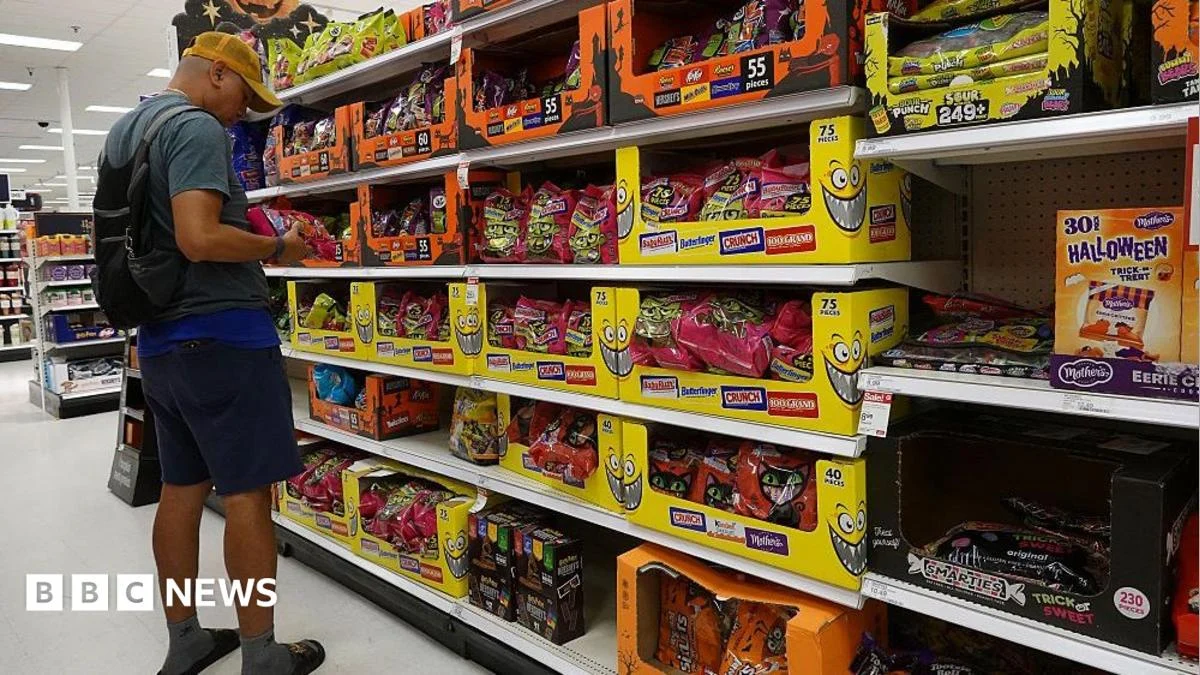
Halloween shoppers across the United States, eagerly anticipating the festive spirit of the spooky season, are instead confronting a rather unsettling reality: the dramatically inflated prices of seasonal treats. This sharp rise in costs comes as persistent cost of living pressures continue to squeeze household budgets, transforming what should be a simple joy into another financial hurdle. The traditional hunt for candy bargains for trick-or-treaters has become a quest fraught with sticker shock, dimming the usual festive glow for many American families.
Demetrio Beltres, a 33-year-old financial adviser from New York, embodies this widespread sentiment. As he navigated the vibrant, yet increasingly expensive, aisles of a Manhattan Target store, his usual budget for Halloween candy was proving woefully inadequate. "I’m trying to spend at least $20 to $30 just to make sure that I get the kids something," he explained, carefully considering the array of color options and sizes. This figure represents a significant jump from his typical outlay of $15 to $20 in previous years, a clear indication of how much less candy that same amount of money now buys. His frustration was palpable as he acknowledged the necessity of increasing his spending just to meet basic expectations for the neighborhood children, highlighting the erosion of purchasing power that many consumers are experiencing.
Demetrio’s predicament is far from isolated; it mirrors a broader struggle faced by countless households nationwide. The collective sigh of dismay over rising prices for everyday essentials has now extended to discretionary holiday spending. Stephen Zagor, an adjunct associate professor at Columbia Business School specializing in food businesses, offered a keen observation on this economic shift. He emphasized that consumers possess a finite amount of disposable income, and when the fundamentals of daily life – groceries, rent, utilities, and fuel – demand an ever-larger share of that income, holiday indulgences are often the first to be scaled back. "I think the holiday’s gotten scary, more from an economic [perspective], than it might be for scaring people at the door," Zagor quipped, succinctly capturing the prevailing mood where financial anxieties overshadow playful frights. The shift in focus from lavish decorations and overflowing candy bowls to careful budgeting reflects a pragmatic adjustment to a tightening economic landscape.
Economic analysis corroborates these anecdotal experiences. A recent study conducted by the left-leaning non-profit Groundwork Collaborative and the Century Foundation revealed a significant surge in the price of popular Halloween chocolates and confectionery. Their findings indicated that these beloved treats were a startling 15.3% more expensive this year compared to a recent past year, illustrating the rapid acceleration of costs in the sweets sector. Further compounding these concerns, separate research from the personal finance firm Finance Buzz painted an even starker picture, reporting that prices for Halloween treats have soared by an astonishing 71% over the past five years. This dramatic increase far outpaces the general rate of inflation during the same period, suggesting specific pressures within the confectionery industry that are driving up costs disproportionately.
A primary culprit behind this confectionery inflation is the escalating cost of cocoa, the foundational ingredient for most Halloween chocolates. Global cocoa prices have experienced an unprecedented surge, reaching historical highs. According to figures compiled by the International Monetary Fund via the Federal Reserve Bank of St. Louis, the cost of a tonne of cocoa skyrocketed to more than $10,700 in early 2024. This astronomical rise is largely attributable to the devastating impact of climate change, which has led to severe and unpredictable weather patterns in major cocoa-producing regions, particularly West Africa. Droughts followed by excessive rainfall have decimated crops, reduced yields, and fostered the spread of diseases, creating a significant supply deficit in the global market.
Stephen Zagor further elaborated on the lag effect of these raw material price hikes. "The cocoa that is now being consumed was bought when the prices were high," he explained. This means that even if cocoa futures prices were to stabilize or slightly decline in the near term, the confectionery products currently on supermarket shelves and those being manufactured for immediate consumption are still made from ingredients purchased at peak prices. This lag ensures that consumers continue to feel the brunt of these commodity market fluctuations for an extended period, long after the initial price spike. Beyond cocoa, other essential ingredients like sugar, as well as packaging materials and transportation costs, have also seen considerable increases, collectively contributing to the higher retail prices of finished goods.
These specific industry pressures are amplified by broader cost of living challenges that are affecting nearly every aspect of American life. Inflation, while showing signs of moderating from its peak, continues to run at a robust 3.7%, eating away at purchasing power. Essential goods and services, from groceries to housing, demand an ever-larger portion of household incomes. Fuel prices, a critical component of the supply chain, remain stubbornly high. Diesel, for instance, is priced at an average of $6.32 a gallon, hovering just 20 cents below the record high reached in September. These elevated transportation costs translate directly into higher prices for everything from raw materials to finished products, as manufacturers and retailers pass on these expenses to consumers.
The impact of these financial pressures is acutely felt by shoppers like Mallory, who, preferring not to give her last name, succinctly captured the prevailing sentiment in New York. "Everything is expensive, so it does not surprise me that Halloween candy is expensive too," she stated with a shrug, reflecting a resigned acceptance of the current economic climate. This sentiment of resignation is widespread, as consumers grapple with the cumulative effect of rising costs across all categories of spending.
The combined weight of these economic pressures has demonstrably altered consumer purchasing habits in the lead-up to Halloween. Data from the consumer and market research company Nielsen IQ paints a clear picture of cautious spending. By the middle of September, Halloween treat sales were down a significant 11.7% compared to the previous year. While there was some improvement as the holiday drew closer, with sales down 6.7% by mid-October, this still represented a substantial decline in overall volume.
Chris Costagli, NielsenIQ’s vice-president of US food thought leadership, analyzed these trends, noting a delicate balancing act by consumers. "Sales have improved considerably from where we started in September, with smaller packs gaining ground while larger sizes continue to struggle," he observed. This indicates that while shoppers are still keen to participate in the Halloween tradition, they are exercising greater prudence in their purchases. The preference for smaller, more affordable packs suggests a desire to maintain the spirit of the holiday without overspending. "This feels like a consumer who still wants the occasion, but is paying much closer attention to what goes into the basket," Costagli concluded. This heightened scrutiny means shoppers are more likely to compare prices, seek out promotions, and potentially buy fewer items or opt for less expensive brands, all in an effort to stretch their dollars further.
Ultimately, the soaring cost of Halloween treats serves as a stark reminder of the persistent economic challenges facing American consumers. What was once a relatively inexpensive seasonal indulgence has become another item on a growing list of rising expenses. As families navigate their budgets, the joy of trick-or-treating remains, but it is now tempered by the sobering reality of inflation, turning a playful fright into a genuine economic concern for many. The balancing act between holiday tradition and financial prudence will likely continue to define consumer behavior for seasons to come.



 atisusanti

 Ramos Leo

 Roy Suryo

 Nana Banana

 George Anjay
