
 Nakalama John

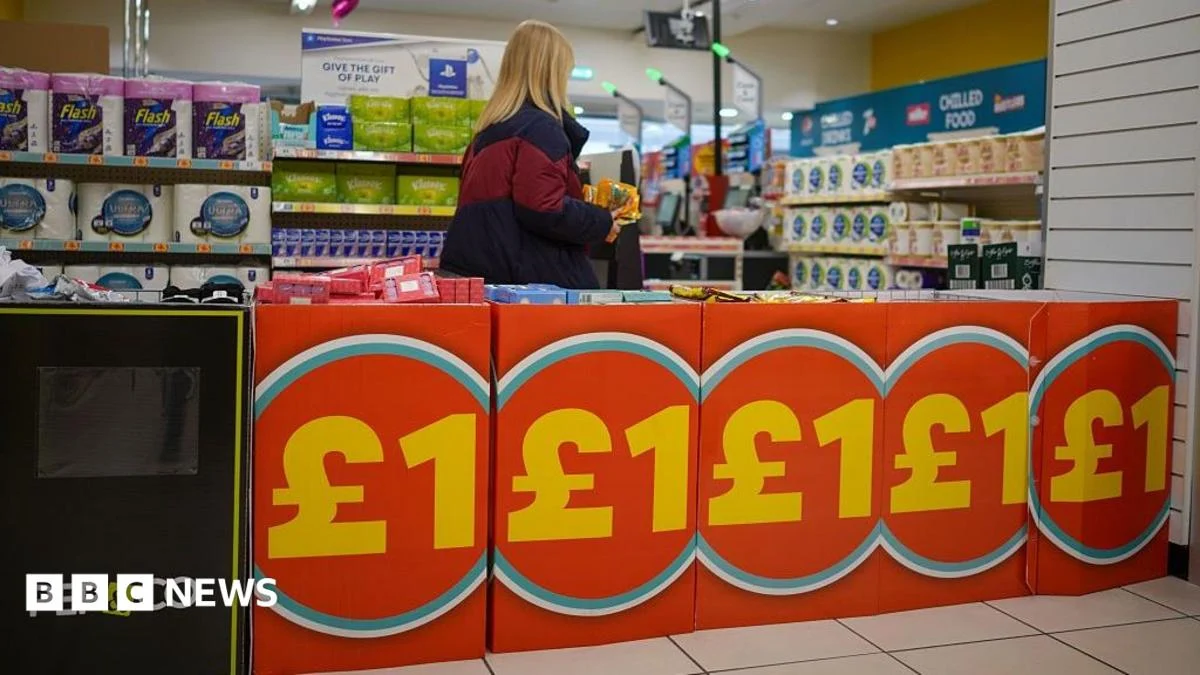
Among the headline announcements designed to ease the burden on households was a targeted £100 payment aimed at assisting millions with their energy bills. This one-off "Household Energy Payment" is earmarked for residents in properties falling within council tax bands A to D in England, and notably, it is funded by an additional tax on banks. Complementing this, a VAT cut on electricity bills, alongside a freeze on fuel duty, was extended until July. For a largely rural region like the South West, where public transport links can be sparse and vehicle reliance is high for both personal and business travel, the fuel duty freeze was particularly welcomed, offering a crucial buffer against rising operational costs.
Beyond immediate financial relief, the Budget also signaled significant shifts in local governance. Devon was slated to receive an elected mayor by 2028, a move that could grant the county greater autonomy and strategic direction over local services and economic development. Cornwall, meanwhile, was uniquely identified as the only area placed on a pathway to become a Foundation Strategic Authority. This designation suggests a future model of enhanced local leadership, potentially empowering the county with more control over its own destiny and allowing for tailored approaches to regional challenges, from infrastructure to investment.

However, not all announcements were met with unreserved enthusiasm. Sue Jewell, who chairs the South East Cornwall Tourism Association and operates holiday accommodation, articulated a common sentiment, describing the budget as one that "gave with one hand and took with the other." Her observation particularly resonated when considering the impending rise in the legal minimum wage, set to increase by 3.9% in April. While acknowledging the importance of fair pay, Jewell highlighted the predicament for businesses like hers. "I think it’s tricky because actually I would believe that quite a lot of people in our business anyway pay over the minimum wage just to retain staff," she explained. "However, because of the cost, we’ve cut back on staff. Which is sad really because it’s local people who could be having local jobs." This reflects the delicate balance businesses, especially in seasonal industries like tourism, must strike between competitive wages and operational sustainability in an environment of rising costs.
From an academic perspective, Dr. Harry Pitts, a senior lecturer in Politics at the University of Exeter’s Cornwall Campus, contextualized the £100 energy payment. He viewed it as one of the "small things to make life a little easier for some households in the immediate period," acknowledging its immediate benefit without overstating its long-term impact on the broader cost of living crisis.
For the region’s vibrant small business community, there were certainly positives. The Budget announced a significant increase in the threshold at which high street shops begin paying business rates in England, raising it from £12,000 to £18,000. This means properties with a rateable value below this new level will incur no business rates. Toby Parkins, interim CEO at the Cornwall Chamber of Commerce, estimated this measure would benefit approximately 900 additional businesses in Cornwall alone. "For the small business, that is a big win," he affirmed, recognizing the vital relief this would provide to independent retailers and local enterprises struggling with overheads.

Helen Wylde-Archibald from the Devon Chamber of Commerce echoed a sense of relief, expressing gratitude for what she perceived as "some stability" following a period of economic uncertainty. "The last two [Budgets] have been a bit scary for business," she remarked, indicating a desire for a more predictable fiscal environment. While she acknowledged that the budget "doesn’t necessarily give us all the conditions we want for full growth and strong growth," she found reassurance in the absence of broad-based business tax rises and the continued freeze on fuel duty. However, Wylde-Archibald did voice a notable concern regarding the agricultural sector, suggesting that the budget lacked sufficient announcements for enhanced support for farming and food production, an oversight she believed would have a tangible "impact on the rural economy."
Indeed, the farming community in the South West felt particularly underserved. James Kittow, from Butcher & Grazier in Cornwall, articulated this sentiment bluntly: "It just seems like we’ve been forgotten again." He emphasized the industry’s readiness to contribute to national food security, stating, "We’re an industry that is ready, willing and able to help the country produce the food for the nation." Kittow also highlighted a critical issue for many family-run farms: the lack of change on inheritance tax. Under current rules, inherited farming assets exceeding £2.5 million face a 20% inheritance tax since April, a policy that casts a long shadow over succession planning. "I’m looking to plan for a succession… we want to keep farming, we want to keep doing what we love doing but if we’re going to get hit on the other end of it then it does make you think twice about what is all this for, and it’s just so sad for the future farmers that want to come into the trade," Kittow lamented, underscoring the disincentive this creates for the next generation of farmers.
The housing market, a perennial concern in the South West due to high demand, limited supply, and the prevalence of second homes, also saw targeted measures with mixed reactions. Andrea Drew, managing director at Lander Mortgage Services, pointed to a "First Time Buyer ISA" as the key housing announcement. This innovative scheme aims to help aspiring homeowners build up a deposit, with the government boosting contributions of up to £4,000 annually with a substantial 25% bonus. While welcoming the support for first-time buyers, Drew identified a critical limitation: "The only negative I would say… on new builds, the housing market isn’t just all about new builds, it’s about existing property… because not everybody wants to have a new build property." This highlights the need for broader support across the entire housing spectrum, not solely new constructions.

Furthermore, Drew raised concerns about an increase in tax for landlords, noting a 4% rise. She observed a trend of landlords selling their properties due to increased tax burdens, which, paradoxically, harms tenants. "What tenants need is more homes to choose from, not fewer, and they can’t solve the housing shortage by destroying people who are providing the housing," she argued, stressing that reducing the supply of rental properties exacerbates the affordability crisis rather than alleviating it.
In summary, the Chancellor’s Budget elicited a complex and varied response across the South West. While measures like the energy payment, VAT cut, fuel duty freeze, and business rates relief offered tangible benefits to households and small businesses, particularly in a region heavily reliant on tourism and independent enterprises, significant concerns remain. The impact of the minimum wage increase on employment in seasonal sectors, the perceived neglect of the vital farming community, and the limitations of housing initiatives focusing primarily on new builds and penalizing existing landlords all contribute to an ongoing debate about the long-term economic health and social fabric of the South West. The announcements regarding devolution for Devon and Cornwall hint at a future of greater regional control, but the immediate effects of this budget illustrate the intricate challenges and diverse needs of this distinctive part of the UK.

 atisusanti
 Ramos Leo

 Roy Suryo

 George Anjay
