Nakalama John
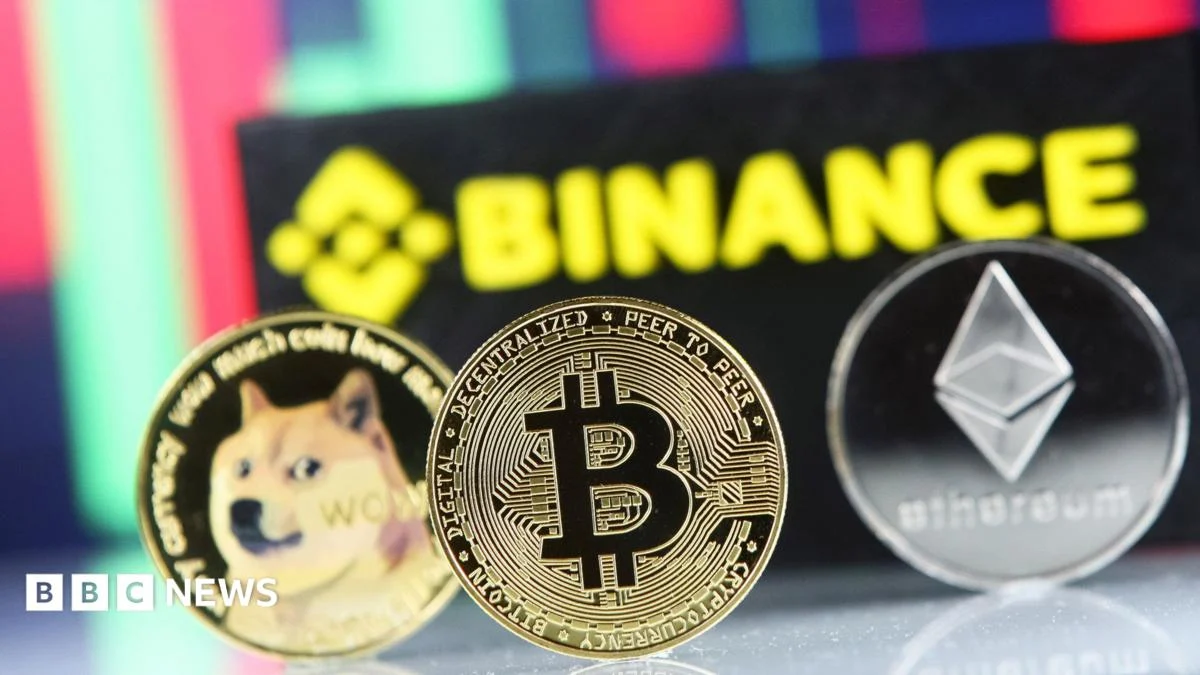
Initially, the company’s internal investigations suggested that the breach might have stemmed from a compromised engineer’s laptop, facilitating illicit withdrawals. However, further analysis quickly revealed a far more extensive and sophisticated operation, indicating a wider attack surface and a deeper level of infiltration than first assumed. Of the total $6.3 billion accessed, Binance confirmed that around $3 billion of its stolen digital assets had been secured and frozen. Nevertheless, a substantial portion remains unaccounted for, still lingering in the digital wallets of the unidentified perpetrators.
Alarmingly, several leading blockchain analytics firms have swiftly pointed fingers at a notorious North Korean hacking unit, attributing the colossal breach to their state-sponsored cyber warfare efforts. This attribution places the Binance hack within a disturbing pattern of large-scale financial cybercrime consistently linked to the reclusive nation, surpassing previous significant incidents in terms of sheer value.
The United States Secret Service, a lead federal agency tasked with investigating financial crimes, swiftly announced its involvement, stating it was "working around the clock" in a concerted effort "to identify, freeze, trace, and recover" the stolen funds. The agency further pledged its commitment to "identify the cyber criminals responsible and bring them to justice." This global pursuit is echoed by Binance, which confirmed its close cooperation with the Federal Bureau of Investigation (FBI), underscoring the international nature of these sophisticated financial crimes.
Despite Binance’s assurances that its US-facing exchange operations remained unaffected by the breach, the involvement of US-linked assets, such as the stablecoins Tether and Circle (cryptocurrencies designed to maintain a stable value pegged to the US dollar), grants the US robust jurisdiction to investigate the hack and aid in tracking down the pilfered funds. Such cross-border digital asset theft invariably necessitates a broad and coordinated global law enforcement effort, leveraging expertise from multiple nations and agencies.
In the immediate aftermath, Binance moved to reassure its vast user base, declaring emphatically, "your money is safe, and we’re covering every loss." The exchange had initially taken the drastic step of suspending all deposits and withdrawals to contain the damage and assess the extent of the breach. However, in a subsequent update, it clarified that "deposits remain unaffected," aiming to restore confidence and operational normalcy.
Founded in China in 2017, Binance has rapidly ascended to become the undisputed behemoth of the cryptocurrency world. With an estimated more than 300 million registered users worldwide, it facilitates the trading of an immense array of digital assets. The company reported in 2024 that it held over $160 billion in assets under its custody, a testament to its scale and influence. Given this immense scale, the hack has ignited significant fear among Binance users and the broader crypto industry regarding the exchange’s actual capability to fully absorb such an enormous financial loss.
While Binance has repeatedly asserted that all customer funds will be covered and that the firm possesses sufficient financial strength to "weather the storm," these assurances have been met with a degree of skepticism, particularly by seasoned "crypto history watchers." Many online commentators have drawn stark parallels to the messages disseminated by FTX CEO Sam Bankman-Fried just prior to the catastrophic collapse of his crypto exchange in 2022. That event led to billions in losses for customers and sent shockwaves throughout the industry, forever etching a cautionary tale of hubris and mismanagement. The fear is that Binance, despite its current assurances, could face similar solvency challenges if the recovery efforts fall short or if the market reacts adversely.
Moreover, several legal experts have cautioned customers against viewing Binance’s promise to cover losses as legally binding without further scrutiny. Daniel Tunkel, from the London-based Edwin Coe law firm, highlighted that the enforceability of such promises would ultimately "come down to what [customers] have been promised in their contracts." He further emphasized the importance of determining "where Binance can be sued for non-performance, if it comes to it," suggesting that users might need to pursue litigation to fully recover their assets, depending on the terms and conditions they agreed to. This legal ambiguity adds another layer of anxiety for affected users.
Binance itself has not been a stranger to regulatory scrutiny, facing investigations and challenges from authorities in various jurisdictions around the world regarding its operations, licensing, and compliance with anti-money laundering (AML) and know-your-customer (KYC) regulations. This existing regulatory pressure only intensifies the spotlight on the exchange following such a monumental security breach.
The specific modus operandi and digital forensics surrounding the attack bear striking resemblances to previous incidents attributed to North Korean state-sponsored hacking groups. TRM Labs, an AI-powered investigations company specializing in crypto crime, noted several elements of the Binance attack that mirrored earlier North Korean-linked incidents. In the last five years, the cryptocurrency industry has indeed been plagued by enormous losses stemming from sophisticated cyberattacks. In nearly all such cases, investigators have ultimately laid the blame at the feet of hackers operating out of North Korea, specifically pointing to the infamous Lazarus Group, also known as TraderTraitor. These names refer to clusters of cyber criminals widely accused of working directly for the regime, leveraging their advanced hacking capabilities for illicit financial gain.
Chainalysis, another prominent crypto analytics firm, stated it had "high confidence" in linking the Binance hack to a North Korean entity. The motive behind such attacks is tragically clear: North Korea is an impoverished nation, heavily isolated by stringent international sanctions designed to curb its nuclear weapons program. Experts widely believe that the regime actively employs cybercrime, particularly targeting the lucrative and less regulated cryptocurrency sector, as a crucial means to generate much-needed foreign currency and fund its illicit activities. While North Korea has consistently denied its involvement in these cyber thefts, the sheer volume of compelling evidence—derived from meticulous cryptocurrency flow analysis, detailed intelligence, and insider interviews with defectors—paints a consistent and damning picture. This makes North Korea uniquely positioned as likely the only nation-state that systematically uses large-scale hacking operations as a primary method to raise public funds, directly impacting the global financial landscape and the security of digital assets worldwide. The Binance hack, therefore, is not merely a corporate security incident; it is a significant geopolitical event with far-reaching implications for international security and the future of digital finance.



 atisusanti

 Ramos Leo

 George Anjay