
 Ramos Leo
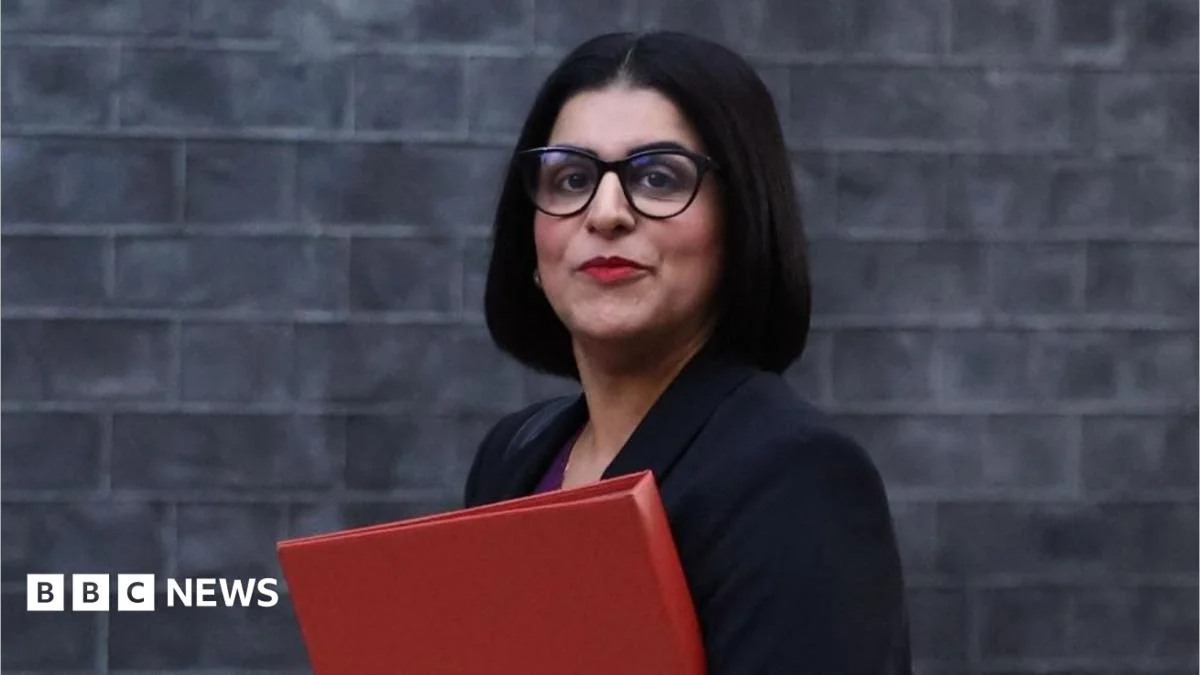
Home Secretary Shabana Mahmood is poised to unveil her definitive policy decisions regarding the United Kingdom’s immigration rules for legal migrants next week, a move that has been met with intense scrutiny, internal government debate, and widespread public concern. The anticipated announcement follows a period of extensive consultation and signals a potentially significant shift in the pathway to permanent settlement for thousands of individuals currently contributing to British society.
The Home Secretary’s initial proposals, which stirred considerable controversy, sought to dramatically extend the qualifying period for permanent settlement, also known as Indefinite Leave to Remain (ILR). Under the existing framework, many migrants become eligible for ILR after a continuous period of five years residing and working in the UK. Mahmood’s original plan aimed to double this waiting time to 10 years for the majority of applicants, with a more stringent provision for lower-paid migrants, who could face an unprecedented 15-year wait before being eligible for permanent residency. This proposed shift represented a stark departure from established policy and immediately triggered alarm bells across various sectors and communities.
According to insights gathered by the BBC, there is a strong indication that the Home Secretary’s more punitive proposals are likely to undergo significant revision, particularly for those currently employed within the critical social care sector. This potential climb-down suggests a recognition of the invaluable contribution of these workers and the practical challenges their exclusion would create.
Mahmood’s underlying rationale for proposing such stringent changes stemmed from a deep-seated concern regarding the escalating figures of individuals becoming eligible for permanent residency. This apprehension was largely attributed to a period of exceptionally high net migration experienced under the previous government, which, she argued, necessitated a re-evaluation of the long-term settlement strategy. The Home Secretary’s objective appeared to be to reassert greater control over immigration levels and ensure that those granted permanent status had demonstrated a more substantial and prolonged commitment to the UK.
However, the Home Secretary’s proposals did not sail through unopposed. She has encountered significant resistance from within her own government, particularly concerning the retrospective application of new rules to migrant workers who had already established their lives in the UK under different expectations. This internal dissent highlights the complex political tightrope Mahmood has been walking, balancing perceived public demand for stricter immigration controls with the ethical implications of altering the terms for individuals who arrived in good faith.
A prominent voice of opposition came from Housing Secretary Angela Rayner, who, prior to her re-entry into the cabinet, vehemently criticised Mahmood’s proposals as "un-British." Rayner’s condemnation underscored a moral argument against changing the goalposts for individuals who had made life-altering decisions based on existing immigration pathways. Her particular concern resonated with the plight of many lower-paid social care workers, who, under the original plans, faced the prospect of a gruelling 15-year wait for settlement, a dramatic increase from the prevailing five-year period. This specific group, crucial to the functioning of the National Health Service and broader social support systems, became a focal point of the debate.
The potential for a 15-year wait for social care workers, many of whom are already grappling with challenging conditions and modest remuneration, was seen by critics as particularly draconian. It raised questions about fairness, the value placed on essential workers, and the potential for a mass exodus from a sector already struggling with chronic staffing shortages. The prospect of such a prolonged period of uncertainty would undoubtedly deter future recruits and demoralise the existing workforce.
However, in a significant development, the BBC understands that social care workers already residing and working in the UK are now highly likely to be exempted from the proposed longer waiting periods. This exemption, if confirmed, would represent a substantial victory for advocates of these workers and a pragmatic adjustment by the Home Office, acknowledging the indispensable role social care plays in national infrastructure. It would alleviate immense anxiety for thousands of individuals and their families who have dedicated themselves to caring for the vulnerable in British communities.
Despite this potential concession for social care workers, it is understood that the original proposal for most other categories of workers will likely proceed. This means that a significant proportion of skilled and general migrants will still be required to live and work in the UK for a decade before becoming eligible for permanent settlement. This extended timeframe marks a fundamental shift in the UK’s approach to integration and long-term residency.
The Home Secretary’s revised plans are also expected to include mechanisms by which this 10-year period could be reduced. These potential pathways to accelerated settlement are likely to be contingent on individuals demonstrating specific contributions to their local communities or achieving higher income thresholds. While the exact criteria remain to be detailed, such provisions could incentivise civic engagement, volunteering, or the pursuit of high-earning professions that contribute substantially to the exchequer. These measures aim to differentiate between migrants and reward those deemed to be making a more significant societal or economic impact.
The government’s consultation on these proposed reforms generated an unprecedented volume of feedback, with over 200,000 responses submitted. This extraordinary level of public engagement underscores the profound impact these changes could have on diverse communities, businesses, and individuals across the country. The responses would have come from a broad spectrum of stakeholders, including migrant rights organisations, employers grappling with labour shortages, professional bodies, legal experts, and individuals directly affected by the proposed changes. The sheer weight of these submissions undoubtedly played a crucial role in shaping the final decisions, particularly concerning the contentious issue of social care workers.
The Home Office, adhering to parliamentary protocol, has maintained a tight-lipped stance, refusing to comment on the specifics of Mahmood’s final decisions until they are formally presented to Parliament in the coming week. This ensures that the announcement is made in the appropriate forum and allows for a comprehensive explanation of the policy and its implications.
The political ramifications of these proposals have not been confined to internal government debates. In September, a Conservative spokesperson seized upon the developing narrative, issuing a sharp critique: "Shabana Mahmood has caved in to pressure from Angela Rayner and her open borders MPs and will shred her own plans to reform indefinite leave to remain." This statement reflects a strong ideological divide and attempts to frame any concession as a weakness, suggesting a departure from stricter immigration controls. The spokesperson further asserted, "This is a slap in the face to British taxpayers who will have to subsidise low-skilled, low-wage migrants," a comment designed to appeal to a specific segment of the electorate concerned about the economic impact of immigration and the perceived burden on public services. Such rhetoric highlights the highly politicised nature of immigration policy in the UK and the constant struggle to balance economic needs, social integration, and public sentiment.
Indefinite Leave to Remain, or permanent residence, is a highly coveted status that grants a person the fundamental right to live, work, and study in the United Kingdom without any time restrictions. Crucially, it also provides eligibility to apply for various state benefits, subject to meeting other specific criteria. For many migrants, ILR represents the culmination of years of effort, providing unparalleled security, stability, and the ability to plan a long-term future in the UK, often serving as a direct pathway to British citizenship. The potential changes to its accessibility therefore carry immense weight for individuals and families who have invested their lives and hopes in the country.
As the week progresses, all eyes will be on the Home Secretary’s announcement in Parliament. Her final decisions on these immigration rules will not only define the future of thousands of legal migrants but also send a powerful message about the UK’s approach to integration, its recognition of vital workers, and its broader stance on immigration policy in an increasingly globalised world. The delicate balance between control and compassion, economic necessity and social cohesion, will be laid bare in the specifics of her statement.


 Roy Suryo

 Nana Banana

 George Anjay

 Nakalama John

 atisusanti
