
 Ramos Leo
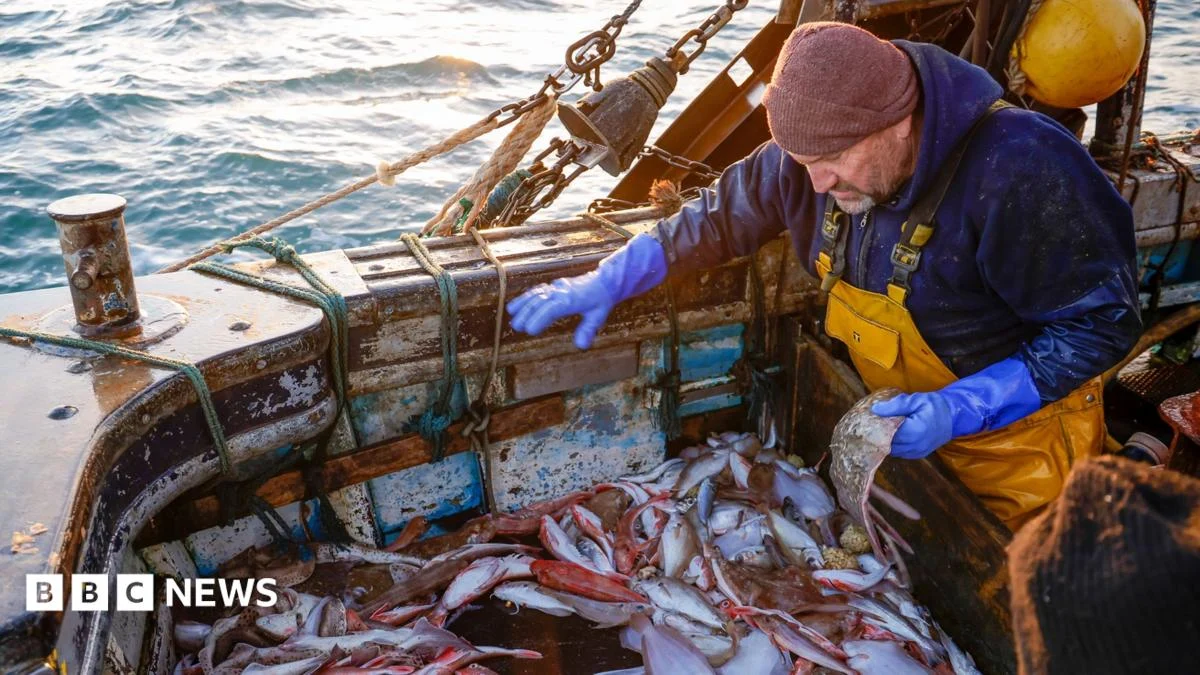
The United Kingdom and the European Union have successfully negotiated a draft agreement aimed at eliminating a significant portion of post-Brexit checks on food and agriculture exports, a crucial development ahead of a highly anticipated UK-EU summit later this month. This landmark accord signifies a substantial step in recalibrating the complex relationship between the two blocs, particularly impacting sectors that have grappled with increased bureaucracy since the UK’s departure from the EU’s single market.
Sources in Brussels indicate that a comprehensive 200-page draft text outlining this so-called "SPS" (Sanitary and Phytosanitary) agreement has been circulated among EU member nations. This document is scheduled for detailed consideration at a pivotal meeting on Wednesday. SPS measures are critical for protecting human, animal, and plant health, encompassing regulations on food safety, animal welfare, and disease control. Before Brexit, the UK, as an EU member, automatically adhered to these standards, allowing seamless trade. However, post-Brexit, UK food and agricultural products were subject to rigorous EU import checks, requiring extensive paperwork, veterinary inspections, and sometimes physical examinations at the border, leading to significant delays and costs. The removal of these checks is expected to dramatically streamline trade in these sensitive sectors.
Beyond the SPS agreement, similar draft texts covering other areas of potential cooperation have also been disseminated. These include proposals for linking the UK’s emissions trading scheme with the EU’s, a youth travel and work scheme designed to foster cultural exchange, and a broader 15-page draft joint statement intended for endorsement by the leaders of both the UK and the EU. However, the food deal stands out as the most substantial component of what has been dubbed a "Brexit reset" thus far. Its potential to dismantle the administrative hurdles and regulatory red tape that have hindered exporters since the UK exited the EU’s single market is widely seen as a tangible benefit.
The government projects that this agreement will inject an estimated £5.1 billion in annual benefits into the UK economy. This figure reflects anticipated savings from reduced compliance costs, increased export volumes due to easier market access, and greater efficiency across supply chains. Speaking from the Commonwealth Heads of Government Meeting (Chogm) in Antigua and Barbuda, Prime Minister Andy Burnham further underscored the economic upside, suggesting that a successful UK-EU deal could boost the nation’s Gross Domestic Product (GDP) by up to an additional 0.4%. Such a rise, while seemingly modest, translates into billions of pounds of economic activity, improved productivity, and potentially higher living standards over time.
In return for these benefits, the UK is expected to commit to a principle known as "dynamic alignment." This involves observing and adapting to existing and future EU regulations on plant, animal, and food trade standards. While not a full readoption of EU law, dynamic alignment implies a commitment to mirror EU rules in relevant areas to maintain frictionless trade. This approach marks a significant shift from the post-Brexit trade deal signed by the previous Boris Johnson government, which prioritized regulatory divergence and sovereignty over minimizing new trade barriers.
The current trajectory of UK-EU relations, and indeed these negotiations, has been shaped by a recent shift in the UK’s political landscape. The summit, which might have occurred earlier, was delayed following the replacement of Sir Keir Starmer as Labour leader by Andy Burnham in July. Under Prime Minister Burnham’s leadership, Britain’s approach to post-Brexit relations with the EU has taken a distinctly more conciliatory and pragmatic turn. While Sir Keir Starmer had previously stated the UK would not rejoin the bloc in his lifetime, Prime Minister Burnham has openly expressed a long-term aspiration for Britain to eventually return to the EU, signaling a more ambitious pro-European stance.
Addressing reporters at Chogm on Tuesday, Prime Minister Burnham articulated his motivation: "I think people in Britain would expect me to take that with both hands, given where we’ve been in recent times, and that’s what I’m doing." When pressed on the sensitive issue of the UK potentially having its food trade rules influenced by the EU, he acknowledged the reality of the UK’s non-EU status, stating, "We’re not in the EU, therefore we do have to work with them in a different way." However, he stressed the pragmatic imperative: "But if that can get growth, if that can help our farmers, if that can remove red tape from British businesses, I think most people would expect me to go to that summit and negotiate the best deal that I can." He further highlighted his proactive engagement, asserting, "And that’s what I’ve been doing in recent weeks, leaning in, being positive, having a really constructive relationship with our European partners and hopefully we can land a good deal for Britain in terms of growth but also I hope more collaboration on controlling immigration."
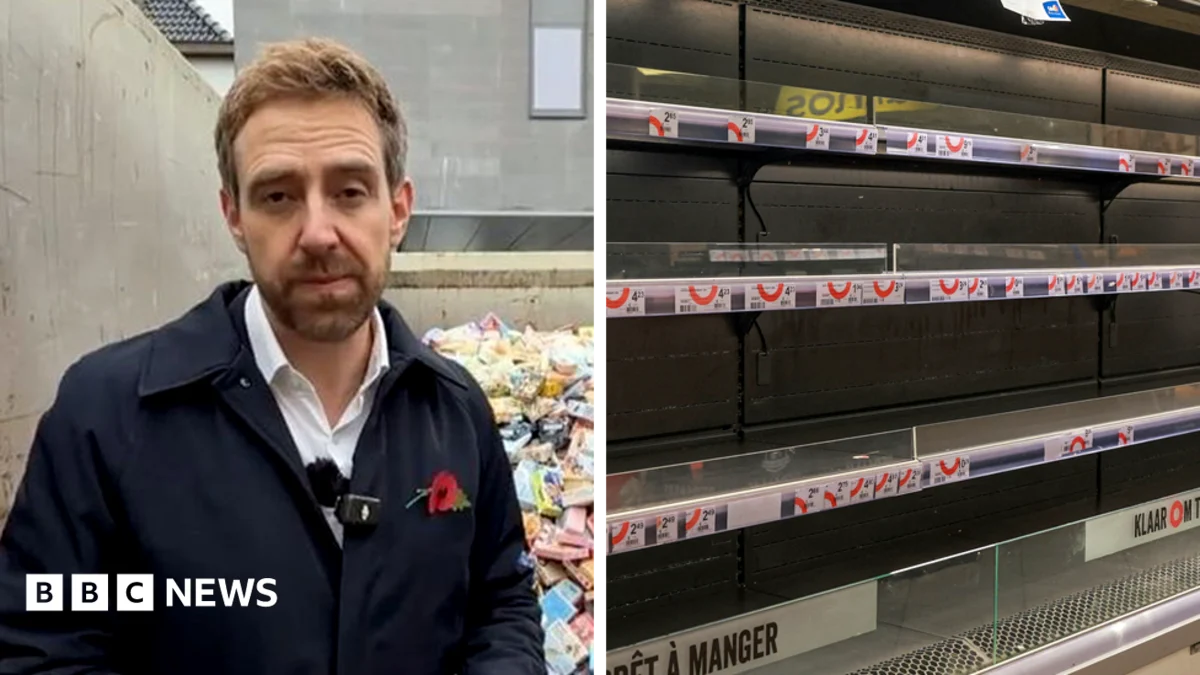
The practical implications of the current trade barriers are starkly illustrated by businesses like Bio&Me. Jon Walsh, the chief executive and co-founder of the company, which produces granolas, mueslis, and yoghurts, enthusiastically welcomed the draft deal, calling it "really good news." He recounted the significant hurdles his small company faced when attempting to export yoghurts to the EU. "Every time we’d send a pallet we had to pay a vet to inspect it and that was £140, and that meant that you’d lose money… so we had to stop," Walsh explained. The company also encountered persistent difficulties with exports of granola and overnight oats, with some shipments being inexplicably returned. "It was so frustrating because it was the same person filling out the same form and yet half would make it through and half wouldn’t," Walsh lamented, concluding, "You just kind of give up because you’re losing money." These real-world examples underscore the direct financial and logistical burdens that the post-Brexit red tape has imposed on British businesses, making export to the EU often unviable.
Reflecting on the broader political landscape, Prime Minister Burnham noted in an interview with ITV that "public opinion has changed nationally" since the 2016 Brexit vote. However, he emphasized his commitment to democratic principles, stating he would "not run ahead of public opinion" on the issue. "The public need to be the boss when it comes to whatever happens with Brexit," he added. He also clarified that he had not proposed the immediate return of freedom of movement between the UK and the EU, indicating a nuanced approach to future relations.
The prospect of dynamic alignment has, however, ignited strong reactions from other political parties. Tory Leader Kemi Badenoch, when questioned by the BBC about the UK’s relationship with the EU, asserted that while the UK should "work closely" with the bloc, "dynamic alignment" would be a definitive "red line" for her party, arguing that it would "actually take us backwards." This stance reflects a core tenet of pro-Brexit sentiment within the Conservative Party, emphasizing national sovereignty and the ability to diverge from EU regulations to forge independent trade policies and regulatory frameworks.
In contrast, Liberal Democrat Europe spokesperson Al Pinkerton dismissed the draft deal as merely "a patch, not a fix." He contended that "the real solution is to rejoin the single market and to establish a customs union with the EU," advocating for a much deeper reintegration with the bloc to fully resolve trade friction. Meanwhile, Reform UK’s business spokesman Richard Tice vociferously criticized the proposed alignment, stating, "One of the key benefits of Brexit was that Britain no longer had to adhere to ridiculous EU rules." He warned that "Returning to any form of alignment with Europe would crush Britain’s competitiveness and force us to surrender sovereignty over trade policy, putting trade deals worth hundreds of billions of pounds at risk." These varied reactions highlight the deeply entrenched ideological divisions surrounding Brexit and the UK’s future relationship with its largest trading partner.
While UK rules largely remain aligned with EU ones in many areas, there have been instances of divergence. For example, England has moved ahead with "precision breeding" of plants, a process previously known as gene editing, which has different regulatory frameworks in the EU. In recent weeks, however, agreement has been reached on transition arrangements to accommodate these differences while the EU’s new regulations in this area come into force, demonstrating a willingness from both sides to find pragmatic solutions.
The government has already introduced a European Partnerships Bill, a crucial legislative instrument designed to provide a legal mechanism for the application of new EU rules and regulations where alignment is agreed. This bill is also pivotal for enabling the necessary alignments to link the UK’s emissions trading scheme with the EU’s, which would notably save UK exporters from having to pay the EU’s forthcoming carbon border adjustment mechanism (CBAM), a significant financial relief for carbon-intensive industries.
The draft agreements are scheduled for discussion at a meeting of EU ambassadors, known as Coreper, on Wednesday. Key details, particularly regarding the planned numbers and scope of the Youth Experience Scheme, are expected to be finalized at a political level in the coming days. Other elements, such as a potential discount on full foreign student fees for EU students and a plan to reconnect electricity markets, are likely to be deferred until next year, indicating a phased approach to deeper cooperation.
Beyond trade, the BBC understands that the draft agreements will also encompass references to potential UK involvement in defence co-operation schemes, enhanced access to law enforcement databases for combating crime, and some reassurances regarding the EU’s "Made in Europe" plans, which aim to boost European industrial competitiveness.
The food deal, in particular, carries immense significance for Northern Ireland, promising to radically reduce the impact of the post-Brexit Irish Sea border. Northern Ireland’s unique Brexit deal kept it within the EU’s single market for goods, meaning food products from elsewhere in the UK currently require extensive paperwork and some physical checks upon arrival at Northern Irish ports. This agreement is expected to ultimately eliminate those burdensome requirements, easing trade flows and contributing to greater political stability in the region.
While the proposed food trade plans have garnered strong support from supermarkets and farmers’ representatives, who stand to benefit significantly from reduced costs and streamlined logistics, some staunch pro-Brexit campaigners have voiced criticism, viewing the reapplication of EU rules as a betrayal of the sovereignty gained through Brexit. William Bain, the British Chamber of Commerce’s (BCC) head of trade policy, however, articulated the prevailing sentiment among businesses on the BBC’s Today programme. He stated that for businesses, adhering to common rules is a "price worth paying" given the anticipated benefits of "lower costs, reduced delays [and] increased market access."
Bain elaborated on the current challenges, highlighting how the requirement for Export Health Certificates can add "thousands of pounds of costs to each truck carrying goods," compounded by "the delays that people find at the ports or at the borders." He concluded, "So we get lower exports because of the delays and the massive increases in costs that have come into the supply chain." The BCC recently released an analysis of its members’ views, which strongly suggests a desire for a closer relationship with the EU. The business lobby group asserts that the current trade relationship is "failing to deliver," leaving firms "struggling with a thicket of Brexit red tape" nearly six years after the UK’s departure from the bloc, underscoring the urgent need for practical solutions like the proposed SPS agreement.

 Roy Suryo
 George Anjay
 Nakalama John

 atisusanti
