
 Ramos Leo
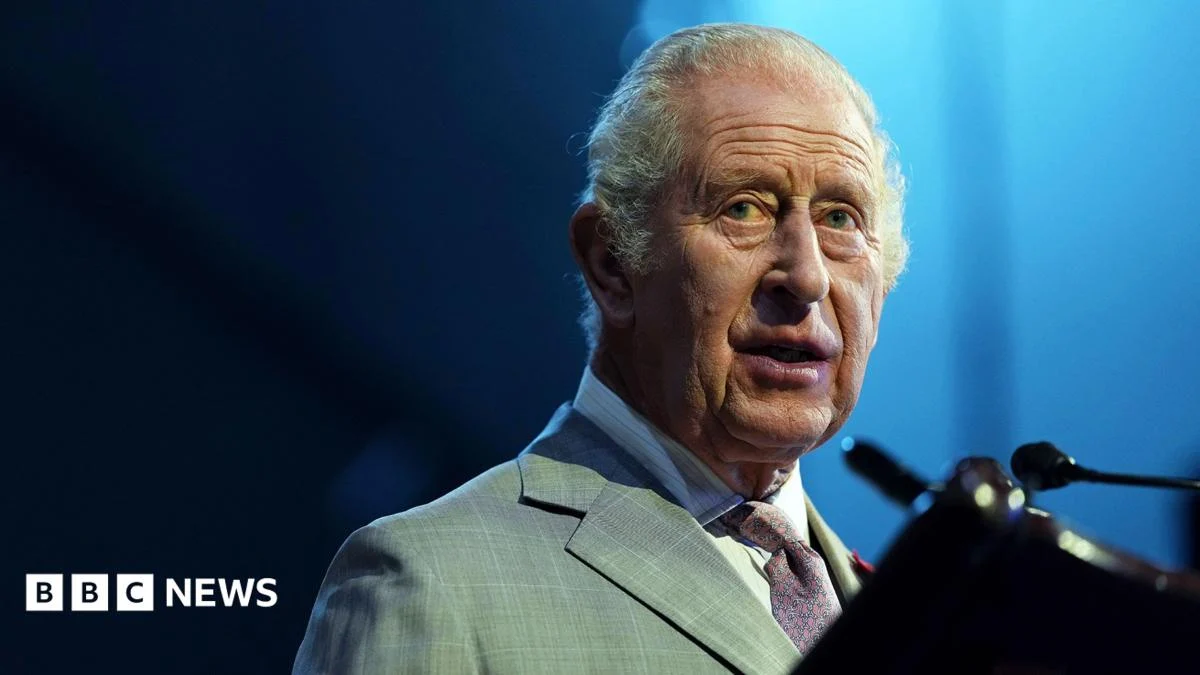
The transatlantic slave trade, a dark period spanning over four centuries, forcibly transported millions of Africans across the Atlantic to the Americas, including the Caribbean, where they endured unimaginable suffering and brutal exploitation. Britain played a central and highly profitable role in this horrific enterprise, becoming one of the largest slave-trading nations and building vast wealth from the forced labour of enslaved people. The legacy of this system, which formally ended with the Slavery Abolition Act of 1833 in the British Empire, continues to profoundly impact the social, economic, and psychological landscapes of Caribbean nations and their diasporas. The King’s acknowledgment of this "shameful chapter" and its enduring "shadow" represents a deepening engagement by the monarchy with this painful past.
While the King’s address conveyed genuine contrition and personal sorrow, it notably stopped short of issuing a formal apology for Britain’s historic role in the slave trade, a demand that has grown increasingly vocal from Caribbean nations and advocates for reparatory justice. Many within the Commonwealth, particularly from the Caribbean Community (CARICOM), have been calling for such a formal apology from the UK government and the monarchy, viewing it as a crucial step towards healing and reconciliation. An apology, in their view, would not only acknowledge the historical injustices but also pave the way for broader discussions on restorative justice. The distinction between expressing regret and issuing a formal apology is significant; the latter often carries legal and moral implications that some fear could open the door to claims for financial reparations.
Prime Minister Andy Burnham, also present at the summit, echoed this nuanced position. While stating his openness to Britain issuing a formal apology, he firmly ruled out financial reparations. Burnham’s stance reflects a prevailing view within certain circles of the UK government, which acknowledges the historical wrongs but is hesitant to commit to direct financial compensation. This position has been met with disappointment by many who argue that an apology without material redress is insufficient to address the deep-seated economic and social disparities perpetuated by centuries of enslavement and colonialism.
Despite the absence of a direct apology, the King’s speech offered clear contrition and a personal commitment to understanding the legacy of the slave trade. He articulated: "The transatlantic trade in enslaved persons still casts a shadow over these islands and other members of our Commonwealth. As I have said before, that shameful chapter of history is one that fills my heart with horror and my soul with the most profound personal sorrow." This deep personal reflection was further amplified by his revelation that he had actively sought to learn more about the issues. "The more I have furthered my own understanding of the issues, through listening, learning and looking, the more committed I have become to finding ways for us to work in modern partnership to address the wrongs of the past with action for the future," King Charles stated. This emphasis on "action for the future" signals a desire to move beyond mere acknowledgement towards practical collaboration, even if direct reparations remain off the table.
The King also used his platform to address the immutable nature of history, stating: "History is not ours to choose or to change. It is bequeathed to us in complex synthesis by forebears we can never know. Our inheritance includes both their achievements and their failures — the good they did as well as the wrongs." This philosophical reflection acknowledges the dual nature of inherited history, recognising both the positive contributions and the profound injustices committed by previous generations. It frames the current generation’s responsibility as one of confronting and learning from the past, rather than attempting to erase or deny it.
The CHOGM meeting itself, a biennial gathering of leaders from 56 states across the Commonwealth, served as a crucial backdrop for these discussions. Comprising a diverse array of nations, primarily former territories of the British Empire, the Commonwealth navigates a complex identity, balancing shared history with aspirations for a more equitable future. This year’s official theme, "Accelerating Partnerships and Investment for a Prosperous Commonwealth," aimed to foster collaboration on pressing global issues. However, the shadow of its colonial past, particularly the legacy of the slave trade, inevitably permeated the dialogue, highlighting the ongoing tension between historical grievances and future cooperation.
Prime Minister Burnham elaborated on his government’s approach, aiming to "revitalise the Commonwealth" with a focus on forward-looking initiatives. While reiterating his government’s rejection of financial reparations, he underscored a commitment to supporting Commonwealth nations through other means. "I’ve been very clear that we do not support reparations," he affirmed. "But it’s not the case that we don’t support countries in the Commonwealth around development, and helping them with debt issues that they’ve got, green finance. That’s what we’ve done under all governments and in my view we should continue to do as part of being a Commonwealth." This position suggests a strategy of providing development aid, addressing debt burdens, and investing in green initiatives as a form of indirect support, rather than direct financial compensation for historical wrongs. Such measures, while welcomed, are often viewed by reparatory justice advocates as insufficient to address the systemic wealth extraction and enduring economic disadvantages caused by slavery and colonialism.
The King and Queen’s tour of the Caribbean, which preceded the CHOGM, reignited difficult and often emotional debates over the UK’s colonial legacy in the region. Each stop on the tour became a focal point for renewed calls for accountability and justice. In the Bahamas, his first stop, the King delivered a speech in which he spoke of the "suffering of the past," acknowledging the pain inflicted by historical injustices without explicitly mentioning slavery. In Guyana, he made a poignant visit to the site of a Slave Rebellion, a powerful symbol of resistance where hundreds of enslaved people were brutally killed. These visits, while carefully choreographed, inevitably brought the historical realities to the forefront of public consciousness, prompting both reflection and renewed demands for a more comprehensive reckoning.
Beyond the immediate issue of slavery and reparations, the King’s address also touched upon other pressing global challenges facing the Commonwealth. He referenced the "brutal conflicts" currently gripping the world, the "catastrophic reality" of climate change, and the rapid pace of technological development. These broader issues are often intertwined with the legacies of colonialism, which contributed to global inequalities and environmental vulnerabilities. The Commonwealth, with its vast geographical spread and diverse membership, is uniquely positioned to address these challenges, but its ability to do so effectively is often seen as contingent upon its willingness to genuinely confront and reconcile with its own difficult history. The King’s words, while not fully satisfying all demands, represent a continued evolution in the monarchy’s engagement with these profound historical and contemporary issues, aiming to foster a modern partnership built on a more honest understanding of the past.

 Nana Banana
 Nakalama John
 atisusanti
 Roy Suryo
