
 atisusanti
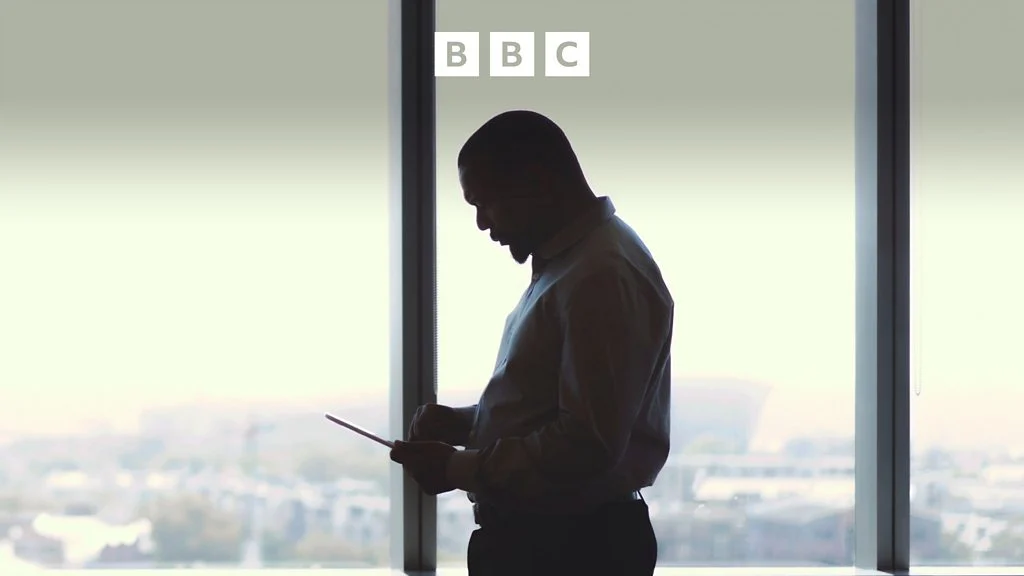
In a concerning trend that strikes at the heart of independent journalism and public discourse, reporters worldwide are finding their voices systematically suppressed through malicious copyright strikes on social media platforms. This tactic, increasingly weaponized against journalists whose work exposes corruption or criticizes powerful entities, is effectively silencing critical voices and eroding accountability. The BBC’s "Tech Life" program, as detailed in a recent episode hosted by Shiona McCallum and produced by Imran Rahman-Jones, sheds light on this digital censorship, highlighting how fake copyright claims are being used to remove vital reporting, particularly when it challenges influential individuals or institutions. This sophisticated form of online silencing, which has been ongoing for over a year, raises serious questions about the integrity of information shared on major social media networks and the vulnerability of independent journalists operating in an increasingly digital landscape. The episode, which is part of the World Service programming and was released on November 3rd, 2026, offers a deep dive into the mechanics of these attacks and their devastating impact on journalistic endeavors.
The episode’s narrative begins by illuminating the disturbing reality faced by independent journalists globally. These individuals, often working with limited resources but driven by a commitment to truth, are increasingly targeted by coordinated efforts to remove their content. The primary weapon in this digital arsenal is the copyright strike, a mechanism designed to protect intellectual property, but now cynically exploited to stifle dissent. When a journalist publishes a story that is inconvenient for those in power, or that uncovers malfeasance, a barrage of false copyright claims can be levied against their articles, videos, or audio recordings. These claims, often originating from anonymous or fabricated accounts, are then processed by social media platforms, leading to the swift removal of the offending content. For a journalist who relies on these platforms to reach their audience and build their reputation, such strikes can be catastrophic, leading to account suspension, demonetization, and a loss of credibility. The BBC’s "Tech Life" episode underscores that this is not an isolated incident but a widespread phenomenon, particularly affecting stories that are critical of "powerful figures," a broad category that can encompass politicians, corporations, and other influential entities. The insidious nature of this tactic lies in its ability to exploit the automated systems of social media platforms, making it difficult for genuine journalists to prove their case and have their content reinstated.

Beyond the immediate silencing of individual journalists, this digital censorship has broader implications for the health of democratic societies. Access to diverse and critical information is a cornerstone of informed public opinion and robust debate. When these channels of information are systematically choked, citizens are deprived of the knowledge necessary to hold their leaders accountable. The BBC’s investigation into this issue serves as a crucial warning, urging audiences and platform providers alike to recognize and address this escalating threat. The episode’s duration of 27 minutes suggests a thorough examination of the problem, likely including interviews with affected journalists, legal experts, and potentially representatives from social media companies, though the latter’s engagement is often a challenge in such investigations. The visual accompanying the episode, a silhouette of a man on a phone against a large window, evokes a sense of isolation and the pervasive nature of digital interaction, further emphasizing the context in which these journalistic battles are fought. The availability of the episode for "over a year" indicates its continued relevance and the persistent nature of the problem it addresses.
The "Tech Life" episode also broadens its scope to explore other significant technological developments, demonstrating the multifaceted role technology plays in our lives. One such area is the integration of artificial intelligence into ensuring safety on US railroads. This aspect of the program highlights how cutting-edge technology is being deployed to prevent accidents, improve operational efficiency, and protect both workers and the public. While the specifics of the AI implementation are not detailed in the provided summary, its inclusion suggests a focus on the practical applications of technology in critical infrastructure sectors, contrasting with the more insidious uses of technology in media suppression. This juxtaposition underscores the dual nature of technological advancement: its potential for immense good and its capacity for misuse. The inclusion of this topic also suggests a global perspective within the "Tech Life" program, as it shifts from international media suppression to domestic US infrastructure.
Another fascinating segment explored in the episode delves into the technological solutions employed to synchronize a live orchestra with screenings of the beloved "Lord of the Rings" films. This particular topic showcases how technology can enhance artistic experiences and bridge the gap between different performance mediums. The challenge of maintaining perfect timing between a live musical ensemble and a pre-recorded visual element, especially in a complex production like "The Lord of the Rings," requires sophisticated audio-visual synchronization tools. This segment offers a more uplifting perspective on technology, demonstrating its ability to facilitate creativity and bring iconic cinematic and musical works to audiences in new and engaging ways. It also suggests a program that values cultural and artistic innovation alongside critical issues of digital rights and infrastructure. The mention of the presenter and producer, Shiona McCallum and Imran Rahman-Jones respectively, along with the program’s branding under "World Service," indicates a commitment to delivering high-quality, globally relevant content that spans a diverse range of technological impacts. The program website link provided for "Journalists silenced online" further suggests a dedicated effort to providing resources and more in-depth information on the critical issues discussed. The "More episodes" link implies a broader series, offering listeners continuous engagement with the evolving landscape of technology and its societal ramifications.




 Ramos Leo

 Roy Suryo

 George Anjay
 Nakalama John
