
 Ramos Leo
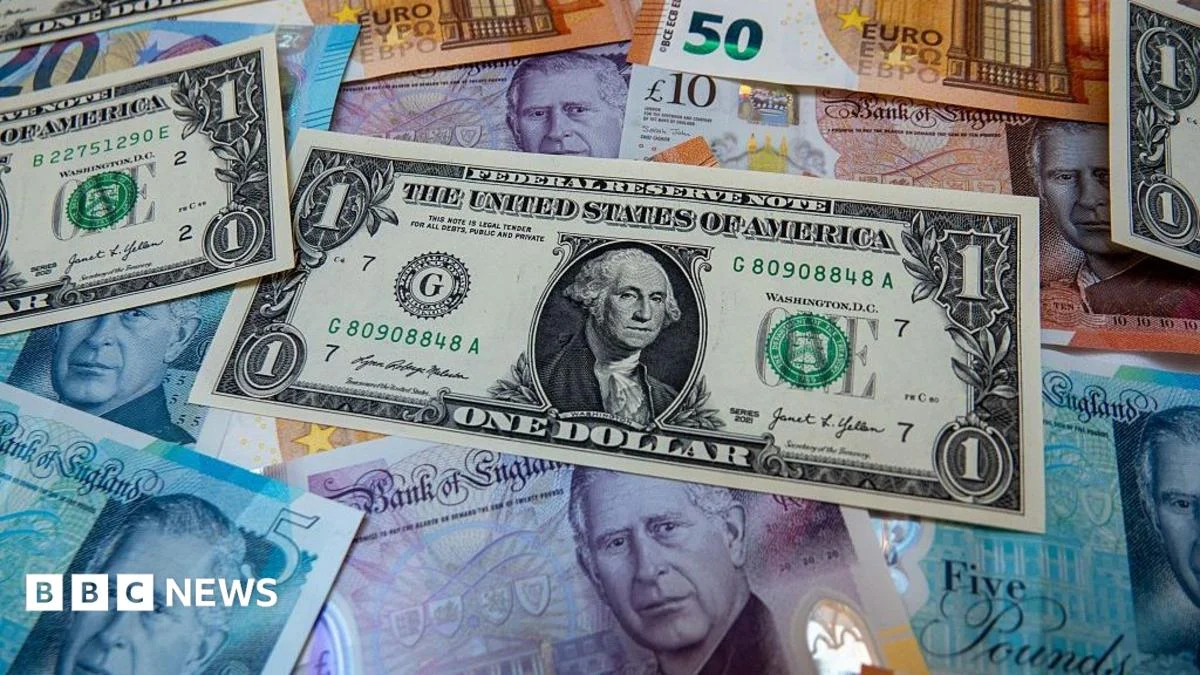
The subsequent years saw sterling reach further significant lows, buffeted by a series of unprecedented economic and political shocks. The protracted and often acrimonious Brexit process itself was a constant source of downward pressure. Periods of intense negotiation, parliamentary gridlock, and the recurring specter of a ‘no-deal’ Brexit repeatedly eroded investor confidence, leading to further depreciation. Each twist and turn in the political saga, from Article 50 activation to the various withdrawal agreement votes, was closely mirrored by sterling’s performance, highlighting its acute sensitivity to political stability and clarity.
Further compounding these challenges was the onset of the global Covid pandemic in early 2020. The unprecedented economic lockdowns, the massive government borrowing required to support businesses and individuals, and the ensuing global supply chain disruptions created immense pressure on economies worldwide, and sterling was not immune. As global investors sought safe havens, the dollar typically strengthened, putting additional strain on the pound. However, perhaps the most dramatic and recent low for sterling came in the wake of the ill-fated 2022 mini-Budget. Unveiled by then-Chancellor Kwasi Kwarteng under Prime Minister Liz Truss, the package of unfunded tax cuts triggered a severe market panic. Investors reacted with alarm to the perceived fiscal irresponsibility, fearing a surge in government borrowing and a loss of confidence in the UK’s economic management. Sterling plunged to a record low against the dollar, nearing parity, while the gilt market experienced unprecedented turmoil, forcing the Bank of England to intervene to prevent a meltdown of pension funds. This episode not only sent shockwaves through the UK economy but also led to the shortest premiership in British history, further underscoring the currency’s vulnerability to political and economic mismanagement.
Now, however, the narrative appears to be shifting dramatically. Some traders and analysts are articulating a view that the UK is being seen in a distinctly different light, underpinned by several key factors. A prevailing sense of relative political stability has emerged following the tumultuous period of revolving door prime ministers and policy uncertainty. The current government, under Prime Minister Rishi Sunak, is widely perceived as offering a more steady hand on the economic tiller, prioritizing fiscal responsibility and a more orthodox approach to governance. This newfound stability is a crucial antidote to the previous years of political chaos that directly undermined investor confidence.
Furthermore, there is a growing recognition of solid growth within the UK economy, which has outperformed many expectations so far this year. While the global economic landscape remains challenging, and signs of higher energy and fuel prices impacting consumer confidence are indeed present, the underlying economic momentum has proven more resilient than initially predicted. This resilience is likely driven by a combination of factors, including a robust labour market, ongoing recovery in service sectors, and a degree of pent-up demand. The precise components of this "solid growth" are subject to ongoing analysis, but the market’s perception is undeniably positive.
Crucially, a discernible rapprochement with the European Union has also contributed significantly to the pound’s resurgence. The signing of the Windsor Framework, which resolved many of the contentious issues surrounding the Northern Ireland Protocol, has been a pivotal moment. This agreement has not only eased trade frictions and improved political relations with Brussels but has also signaled a more pragmatic and less confrontational approach to the UK’s post-Brexit relationship with its closest neighbours. Such developments reduce geopolitical risk and foster a more predictable environment for businesses, directly benefiting sterling.
Sterling has historically responded strongly to Brexit developments and periods of acute political uncertainty, often acting as a barometer for national confidence and economic outlook. Its recent strength underscores a palpable shift in sentiment, moving from deep skepticism to cautious optimism. Jim O’Neill, a respected economist and former Treasury minister, encapsulated this sentiment, stating, "I’m not surprised. People were, and to a lesser extent, are, underestimating the improving momentum in the UK." His observation points to a collective re-evaluation by market participants, who may have previously been too entrenched in a pessimistic view of the UK’s post-Brexit prospects. The underlying strengths of the British economy, combined with a clearer political direction and improved international relations, are now coming into sharper focus.
A stronger pound carries significant economic implications, largely beneficial for the domestic economy. Primarily, it can play a crucial role in helping to rein in inflation. As the currency strengthens, imported goods and raw materials become cheaper when denominated in sterling. This reduces the cost burden on businesses and, in turn, can alleviate price pressures for consumers, making everything from fuel to food more affordable. In an era of elevated global inflation, this effect is particularly welcome. Beyond inflation control, a stronger pound directly increases buying power for consumers. Whether purchasing goods imported from abroad or planning holidays overseas, British consumers find their money stretches further, enhancing their purchasing capacity and overall living standards. This can provide a much-needed boost to consumer morale and discretionary spending, although it also presents challenges for exporters whose goods become more expensive for international buyers.
Against this backdrop of currency strength and evolving economic conditions, the Bank of England’s nine-member Monetary Policy Committee (MPC) faces an important decision on interest rates. Their meeting on Thursday is widely anticipated to result in a rate hike, which would mark the first such increase in three years. The MPC’s mandate is to maintain price stability, and a rate rise is a key tool to combat persistent inflation by making borrowing more expensive, thereby cooling demand in the economy. Such a move would also signal the Bank’s confidence in the underlying economic recovery and could further support sterling by making UK assets more attractive to international investors seeking higher returns.
As of Wednesday, market data reflected this positive momentum, with sterling up 0.28% against the US dollar, trading at $1.3434. This represents a substantial recovery from the lows experienced in late 2022 and places it firmly in territory not seen since the immediate aftermath of the Brexit vote. Against the euro, sterling was largely flat, holding steady at €1.1996 as of 23:01 GMT, indicating a stable performance against its continental counterpart. This dual performance against two of the world’s most significant currencies underscores a broader improvement in global investor perception towards the UK economy and its assets. The confluence of perceived political stability, robust economic indicators, and a more constructive international posture has collectively contributed to sterling’s impressive climb, challenging previous assumptions and reshaping the outlook for the British economy. The trajectory ahead will undoubtedly depend on the sustainability of these positive factors, but for now, the pound is enjoying a long-awaited period of renewed strength.



 Roy Suryo

 George Anjay
 Nakalama John

 atisusanti
