George Anjay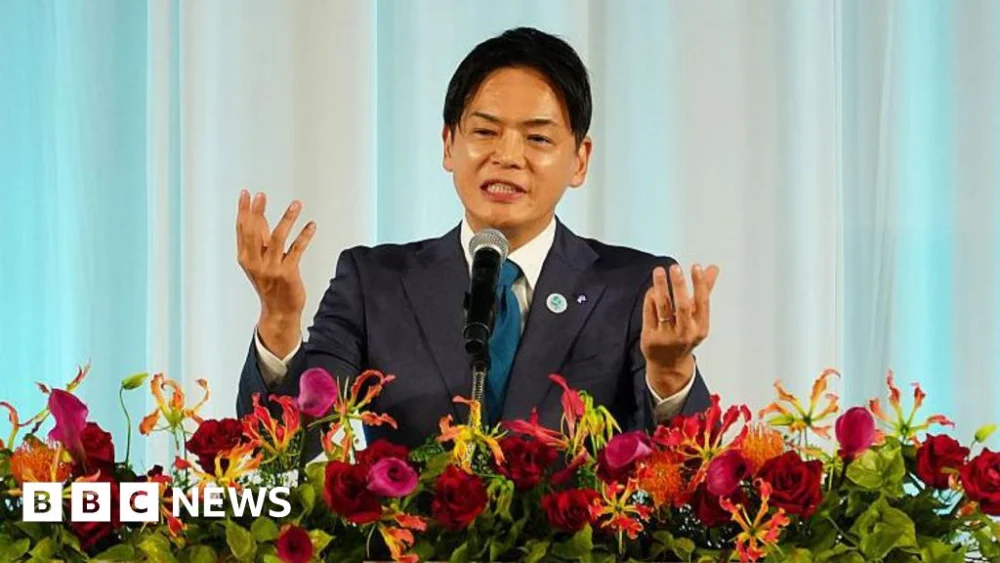
Yokohama’s Mayor Takeharu Yamanaka has issued a formal apology following explosive accusations from his own human resources chief, who alleged the mayor had subjected city officials to workplace harassment through a barrage of deeply offensive and demeaning remarks. The unprecedented public denunciation by Jun Kubota, Yokohama’s human resource director, has sent shockwaves through Japanese local government, highlighting a stark clash between the city’s highest elected official and a senior administrator tasked with fostering a healthy work environment.
The controversy erupted during a press conference where Kubota, in a highly unusual move for a serving Japanese official, detailed a pattern of alleged verbal abuse by Mayor Yamanaka. Kubota claimed that the mayor had repeatedly used derogatory terms such as "idiot," "useless," "silly," and the deeply offensive "human scum" to describe and disparage city staff, including himself. These accusations suggest a deeply toxic work atmosphere, particularly given Yamanaka’s position of authority and the sensitive nature of HR responsibilities. The allegations extend beyond mere insults, with Kubota also accusing the mayor of making comments about colleagues’ physical appearances and even likening them to animals, further painting a picture of a leader who allegedly lacks basic respect for his subordinates.
Perhaps the most alarming accusation leveled against Mayor Yamanaka is the alleged threat made to Jun Kubota himself. According to the HR chief, Yamanaka warned Kubota that he would have to "commit seppuku" – a reference to the traditional Japanese ritual suicide by disembowelment – if he failed to secure an international conference bid for the city. This extreme and disturbing statement, if proven true, indicates a level of pressure and a disregard for human life that is deeply troubling for any public official, let alone a mayor. The demand for an apology and an immediate investigation from Kubota underscore the gravity of the situation and the profound breach of trust that has occurred.
Initially, Mayor Yamanaka attempted to distance himself from the allegations, publishing a statement on his personal website that denied the accusations. This initial denial, however, proved to be short-lived. Faced with the persistent and public challenge from his HR chief, and likely under mounting pressure, Yamanaka shifted his stance. In a subsequent press conference held on Friday, he publicly acknowledged that he had indeed used certain offensive words, including "idiot" and "human scum," during discussions related to personnel evaluations. This admission, while a step towards accountability, was met with skepticism and further demands for change from Kubota.
"I want to frankly apologise for placing a psychological burden on the personnel director," Yamanaka stated, offering an apology specifically directed at Kubota. He further elaborated that he was "reflecting on this" and pledged to be "more careful with [his] words and behaviour." This statement suggests an understanding of the impact of his language, but it remains to be seen if it translates into genuine behavioral change. The mayor also indicated that an investigation into the matter was being considered, to be supervised by the deputy mayor, and pledged his full and sincere cooperation should such an inquiry proceed.
However, the apology and acknowledgment of some remarks did not satisfy Jun Kubota, who remained steadfast in his accusations. He publicly stated that the mayor "doesn’t understand anything" and declared that he "cannot accept that as an apology." Kubota insisted that Yamanaka had made comments that he had not yet admitted to, and reiterated his demand for genuine change in the mayor’s conduct. This ongoing friction between the accuser and the accused highlights the deep chasm of trust and the significant work that remains to be done to address the alleged workplace harassment.
The context of these offensive remarks is reportedly rooted in discussions surrounding personnel evaluations. While this provides a setting, it in no way excuses the use of demeaning and abusive language by a public official. The power dynamics inherent in such a situation are significant; subordinates are often hesitant to speak out against superiors, making Kubota’s courageous stance all the more remarkable. His decision to go public with these allegations, despite the potential personal and professional repercussions, speaks volumes about the severity of the alleged misconduct.
The implications of this scandal extend beyond the interpersonal dynamics within the Yokohama city hall. It raises fundamental questions about leadership, accountability, and the standards expected of public servants in Japan. The tradition of deference to authority in Japanese workplaces can make it challenging to address issues of bullying and harassment. Kubota’s actions may serve as a catalyst for greater awareness and a stronger commitment to fostering respectful and inclusive work environments in public institutions across the country.
The mayor’s initial denial and subsequent partial admission also raise concerns about transparency and the willingness of leadership to confront difficult truths. While Yamanaka has now apologized for some of his language, his denial of other accusations, such as those concerning insults about colleagues’ appearances, leaves room for doubt and suggests that a comprehensive and impartial investigation is crucial. The HR chief’s assertion that the mayor "doesn’t understand anything" further suggests a potential lack of insight into the full extent of the harm caused by his alleged behavior.
The "seppuku" threat, in particular, is a deeply disturbing element that demands thorough scrutiny. Such a comment, especially in a professional context, is not only inappropriate but potentially illegal and indicative of a severe lapse in judgment and ethical conduct. The psychological impact of such a statement on an employee, regardless of the context or the bid’s importance, can be profound and long-lasting.
As Yokohama navigates this crisis, the focus will undoubtedly be on the impending investigation. The impartiality and thoroughness of this inquiry will be paramount in determining the full truth of the allegations and in establishing appropriate consequences, if any, for the mayor’s actions. The public’s trust in its elected officials is a fragile commodity, and events like these can significantly erode it.
The outcome of this situation could set a precedent for how similar cases of alleged workplace harassment by high-ranking officials are handled in Japan. Jun Kubota’s bravery in speaking out against a powerful figure like Mayor Yamanaka has brought a sensitive issue into the public spotlight. The city of Yokohama, and indeed Japan, will be watching to see if this leads to meaningful change and a stronger commitment to a culture of respect and dignity in public service, or if it becomes another instance where apologies are offered but true accountability remains elusive. The mayor’s commitment to being "more careful with his words and behaviour" will be tested not only by his own introspection but also by the actions taken by the city administration in response to these serious allegations. The path forward for Mayor Yamanaka and the city of Yokohama is fraught with challenges, demanding transparency, genuine remorse, and a commitment to fostering a work environment where all employees feel valued and respected, free from the threat of demeaning language and psychological abuse.



 Roy Suryo
 Nakalama John
 atisusanti
 Ramos Leo