
 George Anjay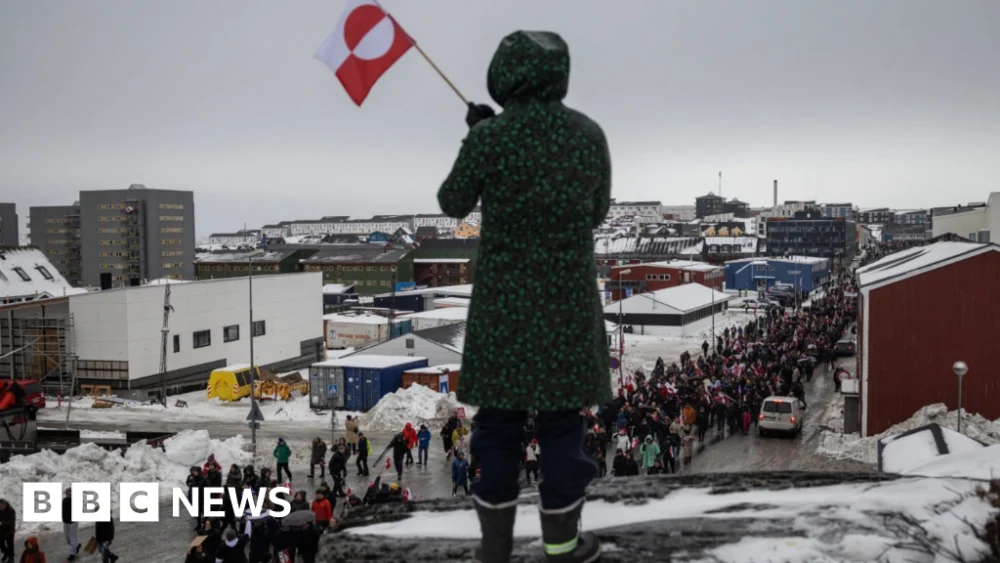
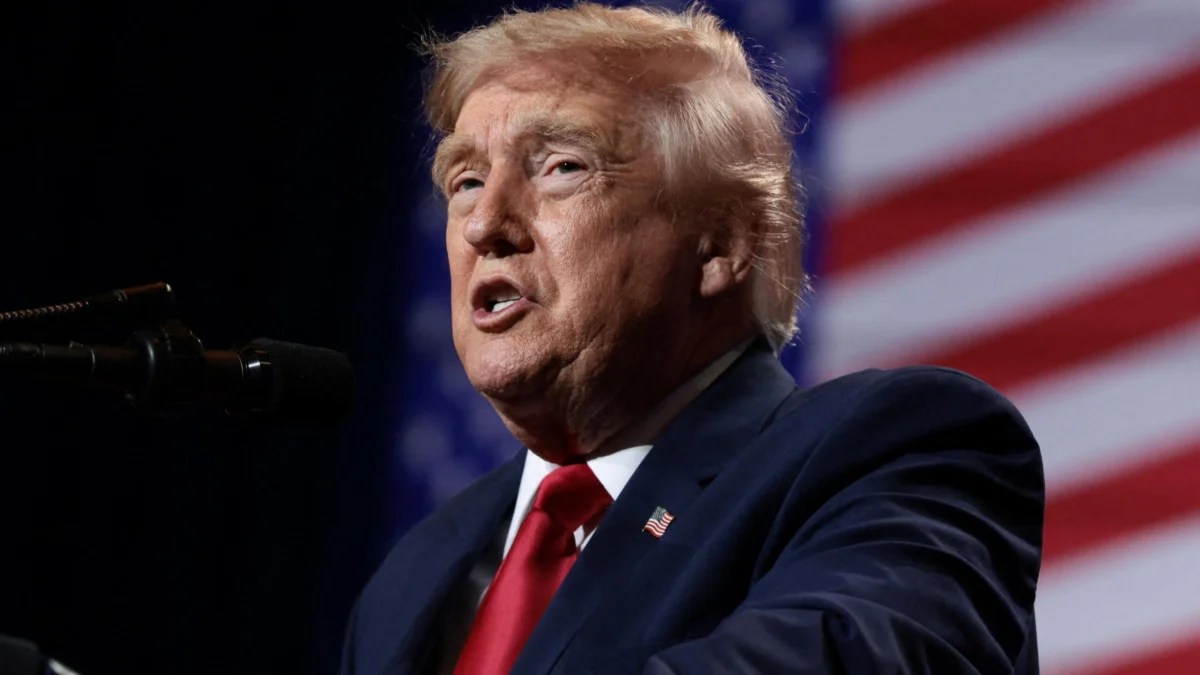
European leaders have strongly condemned President Donald Trump’s threat to impose fresh tariffs on eight allied nations opposed to his proposed acquisition of Greenland, branding the move "unacceptable" and "completely wrong." The retaliatory measures, announced via a post on Trump’s Truth Social platform, target Denmark, Norway, Sweden, France, Germany, the United Kingdom, the Netherlands, and Finland. Starting February 1st, these countries will face a 10% tariff on goods exported to the United States, with the potential to escalate to 25% by June, remaining in effect until a deal is struck for the "Complete and Total purchase of Greenland."
The unprecedented tariff threat has sent shockwaves through diplomatic and political circles, straining relations with key NATO allies and trading partners. It represents a significant escalation in President Trump’s recently rekindled, and widely unpopular, drive to acquire Greenland, an autonomous Danish territory that the US president has repeatedly stated is critical for American security. Trump has been unreserved in his pursuit, previously stating that Washington would secure the territory "the easy way" or "the hard way," leaving open the possibility of forceful acquisition.
The swift and unified condemnation from European capitals underscores the gravity with which these nations view Trump’s actions. British Prime Minister Keir Starmer declared the move "completely wrong," vowing to pursue the matter directly with the US administration. French President Emmanuel Macron echoed this sentiment, labeling the tariff threats as "unacceptable in this context" and asserting that France "will not be swayed by any intimidation." Swedish Prime Minister Ulf Kristersson stated unequivocally, "We won’t let ourselves be blackmailed," adding that Sweden was engaged in intensive discussions with other EU countries, Norway, and the United Kingdom to formulate a joint response. European Council President Antonio Costa affirmed the European Union’s unwavering commitment to defending international law, which "begins within the territory of the member states of the European Union." Denmark’s Foreign Minister Lars Løkke Rasmussen expressed surprise at the announcement, indicating the threat had come unexpectedly.
President Trump has a well-documented penchant for using tariffs as a coercive tool, often referring to "tariff" as his favorite word and viewing it as a potent instrument to align global policies with White House objectives. However, this latest maneuver marks a particularly aggressive application of this strategy, directed at close allies who have largely aligned against his overtures for Greenland. The timing of the announcement is particularly perplexing, occurring just days after US and Danish officials had agreed to establish a high-level working group to discuss the future of the island. This development had been viewed by many in Washington’s diplomatic and political spheres as a "best-case" scenario, offering a potential avenue for de-escalation and a delay in any precipitous action from the White House. Instead, Trump’s tariff announcement has injected a palpable sense of urgency and deepened the rift between the US and its European partners.
The strategic importance of Greenland, a sparsely populated but resource-rich territory situated between North America and the Arctic, cannot be overstated. Its geographical position makes it an ideal location for early warning systems against missile attacks and for monitoring maritime activity in the strategically vital Arctic region. Despite its potential military and geopolitical significance, the idea of a US takeover has met with overwhelming opposition from Greenland’s own population. Opinion polls consistently show that approximately 85% of Greenlanders are against the territory joining the United States, underscoring the deep-seated desire for self-determination.
In solidarity with Denmark and in a clear signal of collective security, several European nations have dispatched a small contingent of troops to Greenland as part of a reconnaissance mission. These nations, including France, Germany, Sweden, Norway, Finland, the Netherlands, and the UK, have emphasized that the security of the Arctic region should be a shared responsibility within the NATO alliance. This joint initiative further highlights the unified stance against any unilateral US attempt to acquire the territory.
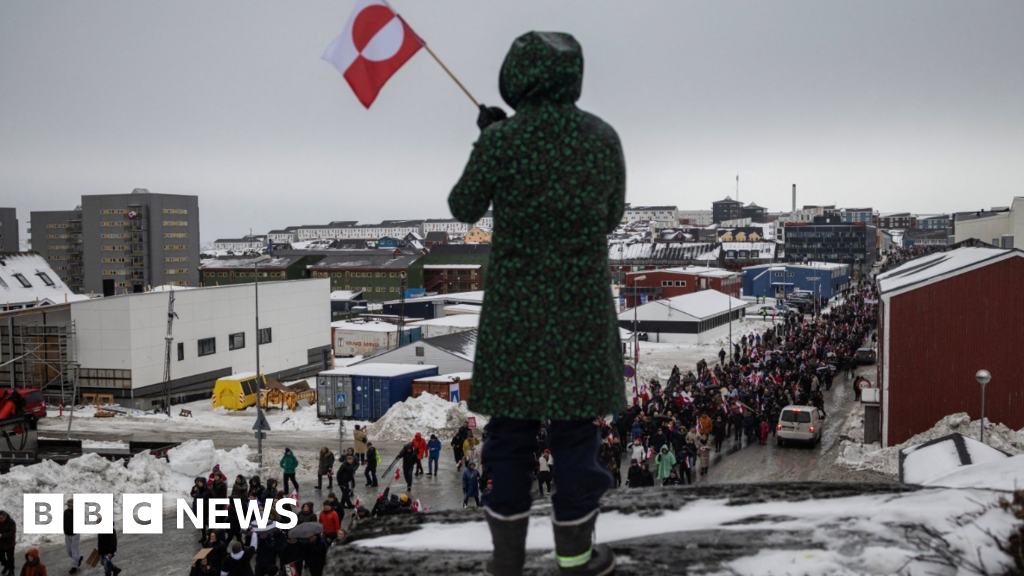
The backdrop to this escalating diplomatic tension has been marked by widespread public protest. On Saturday, prior to the tariff announcement, thousands of people took to the streets in both Greenland and Denmark to voice their opposition to any US move to acquire the territory. In Nuuk, Greenland’s capital, Prime Minister Jens-Frederik Nielsen joined protesters holding signs that read "Greenland is not for sale" and "we shape our future," marching towards the US consulate. Similar demonstrations took place in Danish cities, including Copenhagen, where placards declared "Hands Off Greenland" and "Greenland for Greenlanders." Camilla Siezing, head of Inuit, an umbrella group of Greenlandic associations, articulated the protesters’ demands for "respect for the Danish Realm and for Greenland’s right to self-determination."
These rallies coincided with a visit to Copenhagen by a delegation from the US Congress. The delegation’s leader, Democratic Senator Chris Coons, characterized President Trump’s rhetoric regarding Greenland as "not constructive," further emphasizing the disconnect between the White House’s aggressive stance and the views of many within the US political establishment. The assertion of international law and the right to self-determination by European leaders stands in stark contrast to Trump’s transactional approach, creating a significant diplomatic impasse that risks further destabilizing transatlantic relations and undermining NATO cohesion. The future of Greenland, and indeed the nature of US-European alliances, hangs in the balance as this unprecedented trade dispute unfolds.



 Roy Suryo

 Nakalama John
 atisusanti
 Ramos Leo
