atisusanti
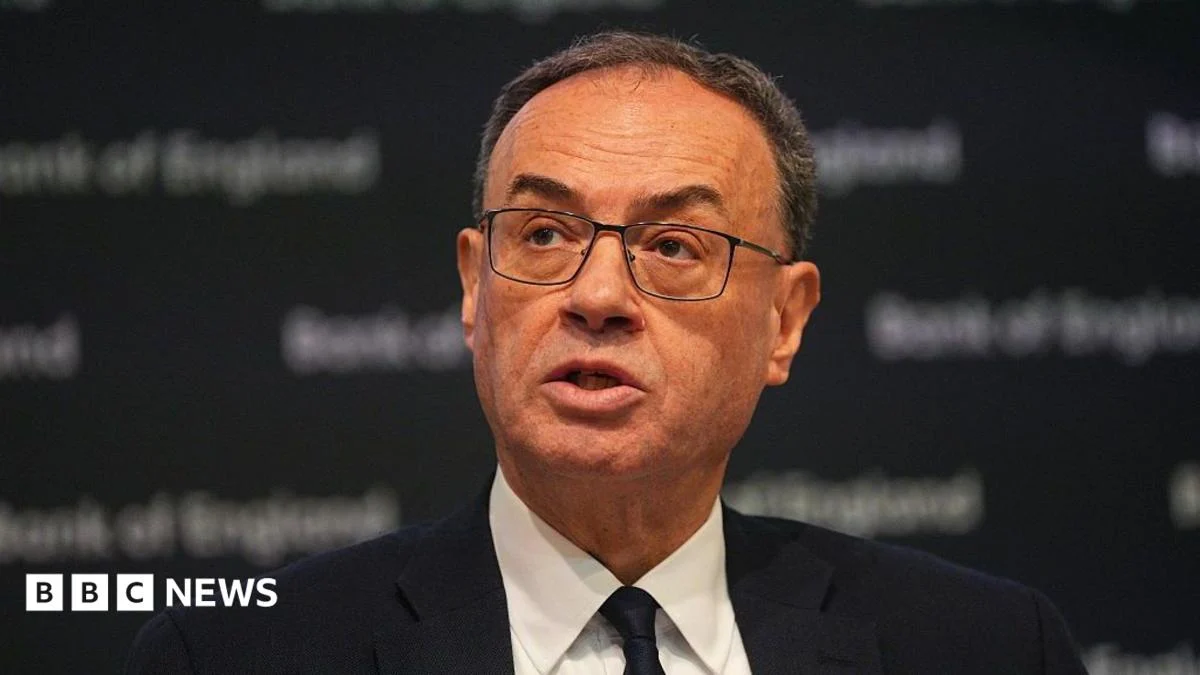
The governor of the Bank of England has issued a stark warning to G20 finance ministers, cautioning that the rapid ascent of artificial intelligence (AI) could precipitate a global economic downturn and simultaneously expose financial systems to unprecedented cybersecurity risks. Andrew Bailey, in his capacity as chairman of the Financial Stability Board (FSB) international watchdog, articulated concerns that any significant contraction or collapse within the burgeoning AI sector could trigger a "future market correction" with far-reaching, worldwide implications. This potential instability is amplified by a confluence of factors, including highly valued stock markets, an increase in investor borrowing, and a growing concentration of financial power within a select group of major technology companies, primarily those at the forefront of AI development.
In a missive addressed to finance ministers of G20 nations, specifically mentioning a letter sent to those in the United States on Monday, Bailey underscored the urgent need for global financial institutions and corporations to fortify their cybersecurity defenses. He highlighted the potential for "simultaneous disruption across multiple firms," suggesting that sophisticated AI-powered cyberattacks could cripple interconnected financial networks with alarming speed and scale. This warning echoes sentiments expressed earlier this month by a coalition of over 100 prominent technology firms, including industry giants like Google, Microsoft, Anthropic, and OpenAI. This consortium of AI leaders had themselves implored nations and international bodies to enhance their cyber defenses proactively, recognizing the escalating risk posed by AI’s rapidly advancing capabilities, which could eventually surpass human control and existing security protocols.
Bailey elaborated on the intricate mechanisms that could amplify a future market correction, emphasizing that the issue extends beyond mere increased borrowing by investors. He articulated a complex interplay between leverage, elevated asset valuations, and market concentration. A particularly concerning aspect, he noted, is the increasing cross-investment and interdependence between AI companies and "hyper-scalers" – entities that provide massive cloud computing infrastructure. This intricate web of financial relationships, he warned, creates a potent amplifier for any future market downturn, potentially turning a localized AI sector correction into a systemic global financial shock.
In light of these formidable challenges, Bailey has urged global financial security leaders to collaboratively develop and implement "appropriate steps to support safe and responsible model release and deployment on a global basis." This call to action emphasizes the need for international cooperation in establishing robust frameworks for AI development and deployment that prioritize safety and ethical considerations, while also safeguarding against systemic financial risks.
Adding another layer of complexity to the global economic landscape, Bailey also expressed significant concern about the "volatility" currently being stoked by energy supply shocks, specifically referencing the geopolitical ramifications of the US-Iran war. This dual concern – the potential systemic risks posed by AI and the immediate turbulence from energy market disruptions – paints a picture of a precarious global economic environment.
The Bank of England governor’s stark warning arrives at a time when governments worldwide are actively seeking to harness the economic potential of AI. In the United Kingdom, for instance, Chancellor John Healey recently announced a substantial £100 million fund dedicated to supporting British AI start-ups. This initiative is part of a broader governmental strategy to cultivate the nation’s "sovereign AI" capacity, fostering homegrown AI technologies to reduce reliance on foreign services and ensure national competitiveness in this critical field. The fund aims to encourage companies to compete for financial backing to address pressing national challenges, ranging from reducing waiting lists within the National Health Service (NHS) to bolstering cybersecurity and defense capabilities.
A spokesperson for the UK government highlighted that its newly established AI economics institute is actively collaborating with international partners to cultivate a "stronger shared understanding of how AI is transforming economies around the world." This institute is positioned as the first government-backed body of its kind to focus specifically on the economic implications of AI. Its mandate includes assisting policymakers in comprehending the multifaceted impact of AI on economic growth, productivity, employment, and public services as the technology continues its rapid evolution.
However, despite these national efforts to foster AI development and leverage its economic benefits, the underlying concern articulated by Bailey and others remains palpable. The rapid advancement of AI models, particularly those capable of sophisticated pattern recognition and autonomous decision-making, is increasingly raising alarms about their potential to circumvent or override existing safeguarding systems within financial institutions and critical infrastructure. The prospect of AI systems, designed for efficiency and innovation, inadvertently or intentionally posing a threat to the very stability they are meant to enhance is a central theme of the current debate surrounding AI’s integration into the global economy.
The G20, representing the world’s major economies, is therefore at a critical juncture. The convergence of rapid AI innovation, the inherent risks of financial market concentration, and the ever-present threat of cyber warfare necessitates a coordinated and forward-thinking approach. Andrew Bailey’s warning serves as a potent reminder that while AI holds immense promise for economic advancement, its unchecked proliferation and integration into complex financial systems carry significant potential for disruption. The challenge for global leaders lies in navigating this complex landscape, fostering innovation while simultaneously building robust safeguards to mitigate the systemic risks that artificial intelligence could unleash upon the global economic order. The FSB chairman’s call for responsible development and deployment, coupled with the ongoing efforts to enhance cybersecurity, represents a crucial first step in a long and complex journey to ensure that AI serves as a catalyst for progress rather than a harbinger of economic instability. The interconnectedness of global finance means that a crisis in one sector, amplified by the unique capabilities of AI, could indeed have profound and lasting consequences for economies worldwide. The G20’s deliberations in the coming months will be pivotal in shaping the trajectory of AI’s impact on global economic stability.



 Roy Suryo