Roy Suryo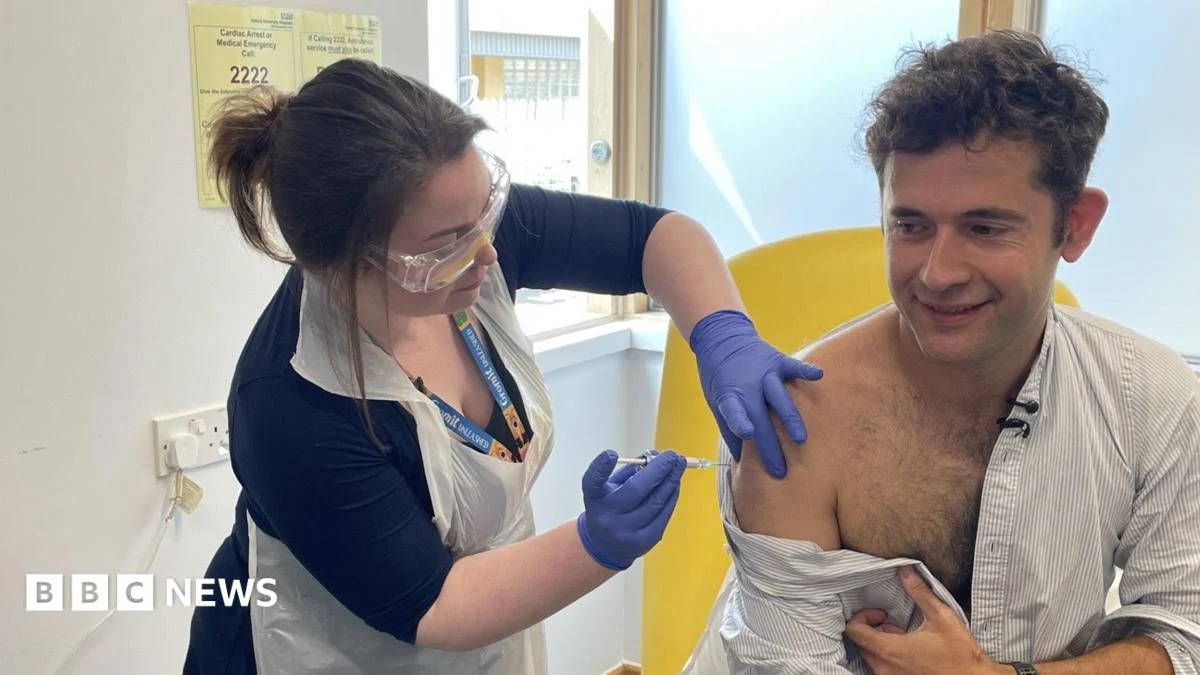
The paramount concern in any new vaccine trial is efficacy and safety, and Professor Lamb was unequivocal on both fronts. She reassured the public and potential participants that the vaccine cannot, under any circumstances, transmit the Ebola virus to an individual. "We will not be giving anybody Ebola in this trial or any trial," she stated firmly, underscoring the rigorous safety protocols in place. The primary objective of this initial Phase One clinical study is to meticulously assess the vaccine’s safety profile in humans. Concurrently, the trial aims to determine if the vaccine elicits a sufficiently robust immune response that could offer protective immunity against the specific Bundibugyo species of Ebola. This immune response is crucial, as it indicates the body’s ability to recognize and neutralize the virus should an infection occur.
The current outbreak of the Bundibugyo species has spurred urgent action, leading to the development of four distinct vaccines. However, the Oxford vaccine is the first to advance into human clinical trials, positioning it at the forefront of this critical medical intervention. It is important to note the distinction between different Ebola species. While a licensed vaccine exists for the Zaire species, the most common and historically devastating strain, it has been proven ineffective against the Bundibugyo species. This highlights the specific and urgent need for targeted vaccines like the one now entering trials. The Bundibugyo species, though less prevalent than Zaire, has demonstrated a concerning capacity for rapid spread and severe illness, necessitating a tailored approach to prevention.
The Oxford team’s commitment extends beyond this initial trial. Plans are already in motion for a second, smaller Ebola vaccine trial to commence shortly in Uganda. This will be followed by a larger-scale study in the Democratic Republic of Congo (DRC), specifically designed to evaluate the vaccine’s efficacy in a real-world setting. The DRC, having experienced numerous Ebola outbreaks, presents a critical location for such trials, allowing for the assessment of the vaccine’s performance in a population with potential prior exposure and varying environmental factors. The data gathered from these subsequent trials will be instrumental in determining the vaccine’s effectiveness in preventing infection and reducing the severity of illness.
The global preparedness for a potential rollout of this experimental vaccine is already underway. The Serum Institute in India, a leading vaccine manufacturer, has proactively produced 600,000 doses of the Oxford Ebola vaccine. This substantial manufacturing effort signifies a high level of confidence in the vaccine’s potential and ensures that a supply will be readily available should the ongoing trials prove successful and regulatory approval be granted. This foresight is crucial in mitigating the devastating impact of future outbreaks, allowing for a swift and decisive response.
The urgency of this vaccine development is underscored by the ongoing Ebola epidemic in the Democratic Republic of Congo. To date, the outbreak has resulted in over 2,500 confirmed cases, with a tragic toll of more than 1,000 lives lost. These stark figures emphasize the devastating human cost of Ebola and the critical need for effective preventative measures. The Bundibugyo species, in particular, has presented a formidable challenge, demanding innovative scientific solutions. The introduction of this experimental vaccine into human trials represents a beacon of hope for communities affected by this relentless disease and a testament to the global scientific community’s unwavering dedication to eradicating Ebola. The successful completion of these trials and the subsequent deployment of a safe and effective vaccine could mark a turning point in the long and arduous battle against this deadly virus, offering a vital shield against future outbreaks and saving countless lives. The journey from laboratory to the clinic has been swift, driven by the immense public health imperative, and the world watches with anticipation as this promising new tool undergoes rigorous evaluation.



 Nakalama John
 atisusanti
 Ramos Leo