Ramos Leo
The close confines of the House of Commons chamber will amplify the intensity of the occasion. Ranks of newly invigorated Labour members will line the benches behind him, offering a visual display of support, while directly opposite, his political adversaries across the Conservative, Liberal Democrat, and Green benches will be poised for immediate challenge. This is not just a policy address; it is a theatrical display of power, a direct confrontation where Burnham must establish his authority, vision, and command. The pressure of this moment is immense. Every word, every gesture, every deft response to questions, every parry of an attack, and every subtle barb will be meticulously dissected. How he handles the intricate dance of parliamentary debate, the scrutiny he faces, and the attacks and asides from his opponents will be crucial in shaping public perception of his premiership from its very outset.
Downing Street, understandably keen to maintain an element of strategic ambiguity, has offered limited specifics about the day’s proceedings. However, it has been confirmed that Burnham will convene his cabinet before delivering a comprehensive statement that aims to "set out the direction of his government." Following this, he will face a barrage of questions from MPs, offering his first direct engagement with the collective will of Parliament. A Number 10 source, speaking over the weekend, underscored the government’s immediate priority, stating that Burnham did not intend for his administration to "stand by and watch on as every bill goes up and up." This emphatic declaration signals a proactive, interventionist approach to the cost-of-living crisis, a theme expected to dominate his address. The source elaborated, promising that Burnham "will promise the country that wherever we can make life more affordable we will."
Burnham has enjoyed a relatively smooth initiation into the premiership, benefiting from the timing of his arrival. His ascension coincided with Parliament’s summer break, granting him a precious six-week reprieve from the immediate intensity of Westminster. This period allowed him the freedom to travel the country, making a series of high-profile policy announcements designed to alleviate the burden of rising living costs. These initiatives include a widely welcomed £2 cap on bus fares, a move aimed at easing commuter expenses and boosting public transport usage. Furthermore, his government has pledged to remove VAT from domestic energy bills, a direct measure intended to reduce household utility costs as winter approaches. Businesses, too, have been targeted for support, with a promise to cut business rates for pubs, clubs, and music venues by 20% next year, acknowledging their vital role in local economies and communities. These policies, rolled out across the summer, have allowed Burnham to cultivate an image of a decisive leader focused on tangible, immediate relief for ordinary families and businesses.
However, the relative ease of his summer is now firmly in the past. Today marks the true beginning of the formidable challenges that await a Prime Minister who has ousted his predecessor, Sir Keir Starmer. Burnham’s path to power, reportedly a swift and decisive internal coup, will inevitably leave questions about party unity and the philosophical direction of the Labour Party under his leadership. The autumn schedule is packed with political tests designed to push his administration to its limits. This Wednesday, he will face his first session of Prime Minister’s Questions (PMQs), an arena renowned for its cut-and-thrust, where every syllable is scrutinised and every weakness exposed. Following this, the spotlight will shift to the annual party conferences, crucial platforms for outlining his vision and consolidating support, while simultaneously allowing opposition parties to sharpen their attacks. Later in the year, his first Budget will present a critical economic challenge, demanding tough choices and potentially controversial decisions. The political calendar culminates with a major speech where he is expected to lay out a comprehensive 10-year plan for the country, outlining his long-term ambitions and the transformative changes he envisions for Britain.
This week’s statement is anticipated to offer more detail on one of Burnham’s core policy planks: his plans to bring privatised services back under public control. This move is presented not merely as an ideological commitment but as a pragmatic solution to the cost-of-living crisis, arguing that public ownership will ensure fairer pricing, greater accountability, and more stable service provision, ultimately easing pressure on family budgets. Number 10 has affirmed that Burnham will use his address to Parliament to reiterate his unwavering commitment to taking continuous action on the cost of living, signalling that his summer initiatives were just the beginning of a broader strategy.
Predictably, the opposition benches are gearing up for a fierce response. The Conservatives and Reform UK are preparing to launch a coordinated attack on Burnham’s policies, primarily questioning their funding mechanisms and raising concerns about potential new tax rises to pay for them. Kemi Badenoch, the leader of the Conservative Party, pre-empted today’s events by orchestrating a significant reshuffle of her shadow cabinet team on Monday. This strategic move was explicitly designed to sharpen her party’s attacks on Labour’s economic policies and handling of public finances. A key appointment was Andrew Griffith, who was promoted to the pivotal role of Shadow Chancellor. The Conservatives are keen to highlight Griffith’s extensive past career in business, positioning him as a credible voice on economic matters. Before entering politics, he held senior executive roles, serving as Chief Financial Officer and Chief Operating Officer at Sky, and later as Chair of Just Eat. His background is being presented as evidence of the Conservatives’ commitment to a private sector-led economy, promising a government that would deliver "lower, simpler taxes, get Britain drilling again to bring down energy costs, slash the red tape holding Britain back, and scrap the job-killing measures in Labour’s (Un)Employment Rights Act." This forms a stark ideological contrast to Burnham’s interventionist approach.
However, Labour and the Liberal Democrats have been swift to seize upon Griffith’s past, particularly his tenure as a Treasury minister in Liz Truss’s short-lived government, during which he publicly defended her controversial "mini-budget." Bridget Phillipson, the Labour Party Chair, wasted no time in condemning the appointment, stating that the "Tories’ top team is crammed full of the same vandals who hammered family finances and left our public services crumbling." This attack aims to remind the public of the economic instability that followed Truss’s fiscal experiment. Daisy Cooper, the Liberal Democrat Treasury spokesperson, echoed this sentiment, arguing that Griffith’s appointment demonstrated the Conservatives were "happy to forfeit any claim to economic credibility."
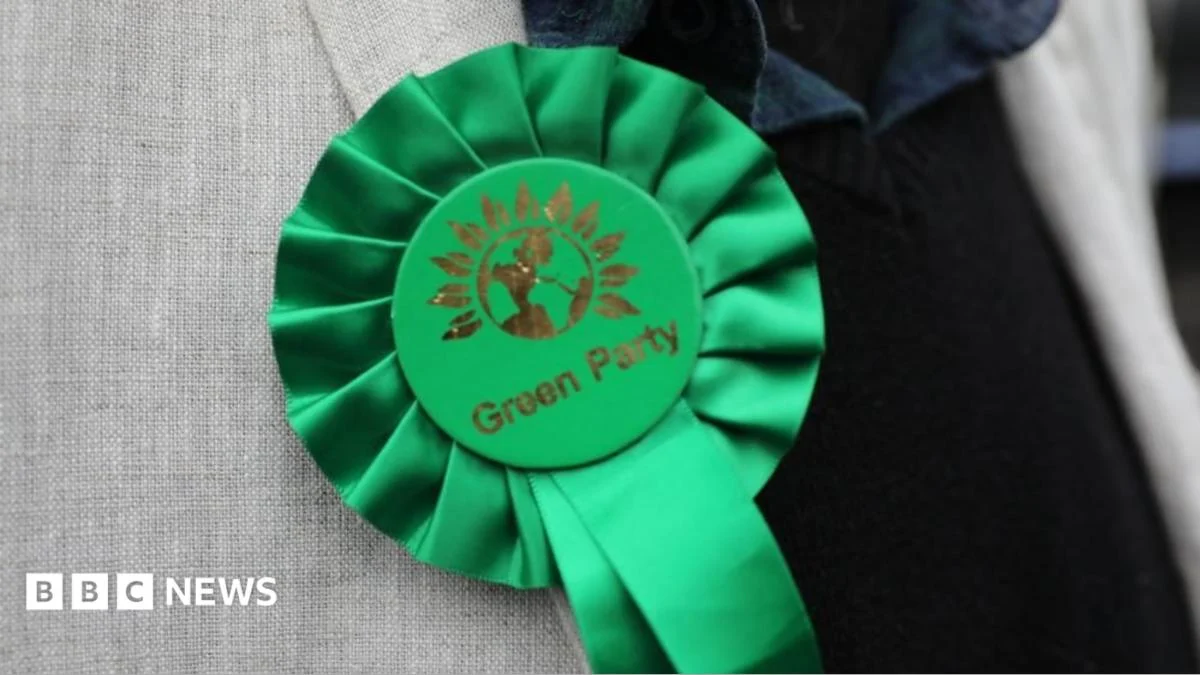
Burnham will also face criticism from the Green Party. Their leader, Zack Polanski, has dismissed Burnham’s proposals for greater public control over vital services as mere "tinkering." Polanski asserts that if Burnham "really wants to bring back hope, he needs to tax the wealthy, take water and energy back under public ownership, bring in rent controls, and say no to new North Sea drilling." This highlights the deeper, more radical changes demanded by the Greens, who believe Burnham’s approach lacks the necessary ambition to tackle systemic issues.
The Liberal Democrats are also actively targeting other areas of Burnham’s nascent government, notably his plans to deal with the escalating prisons crisis. Their justice spokesperson, Jess Brown-Fuller, has lambasted Labour’s promise to build new cells, arguing that the absence of any new dedicated funding for this initiative proves "just how unserious this Government remains about fixing our justice system." This criticism underscores the demand for concrete financial commitments alongside policy pledges.
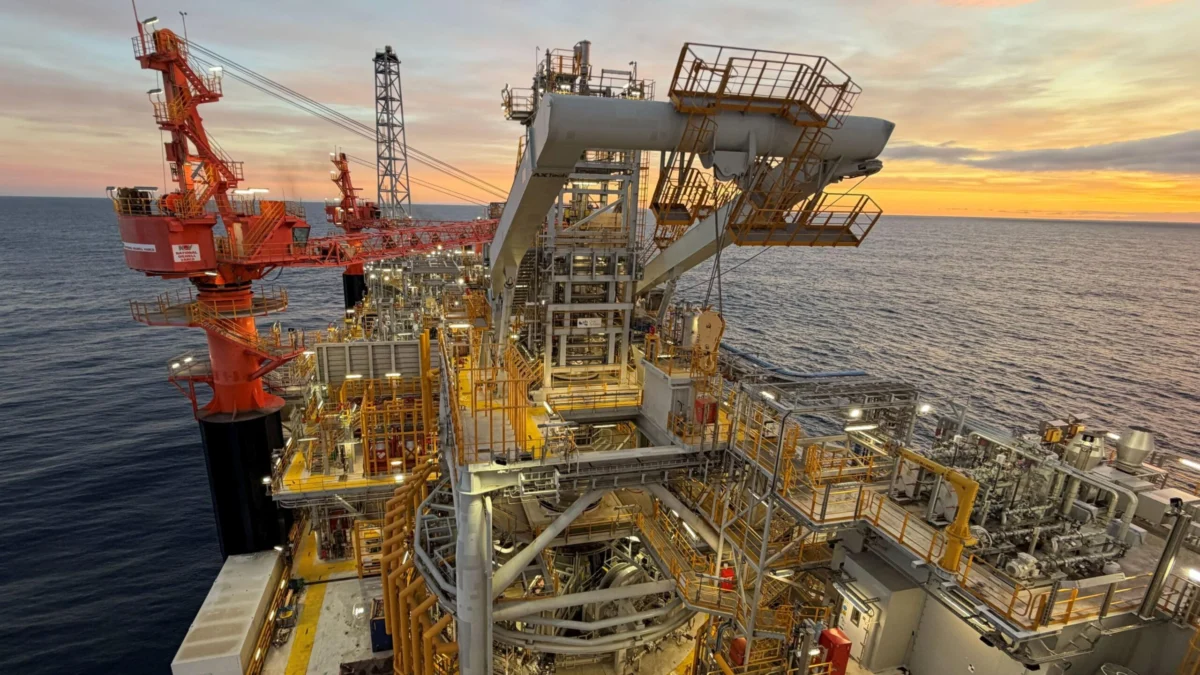
Beyond the immediate policy debates, Burnham inherits a complex array of long-standing challenges. Defence spending presents a significant hurdle; he must determine how to fund the plans inherited from Sir Keir Starmer while also navigating the increasing pressure to accelerate spending to meet NATO commitments amidst a volatile global geopolitical landscape. Imminent decisions loom regarding whether to approve new drilling for oil and gas in the North Sea – a contentious issue balancing energy security with environmental responsibilities. As winter approaches, the government faces looming choices about whether to provide further assistance to households grappling with rising energy bills. The upcoming Budget will force difficult decisions on potential tax increases, spending priorities, and the overall fiscal direction of the country. Longer-term issues, such as comprehensive reforms to the welfare system, the perpetually underfunded social care sector, and the evolving relationship with the European Union, will also demand his attention and leadership.
All of these intricate and pressing matters mean that the moment Andy Burnham rises to address MPs on Tuesday is far more than a ceremonial occasion. It is likely the precise point when his brief honeymoon period as Prime Minister officially ends, and the arduous, unforgiving work of governing truly begins.


 Nakalama John
 George Anjay
 atisusanti
 Roy Suryo