
 Ramos Leo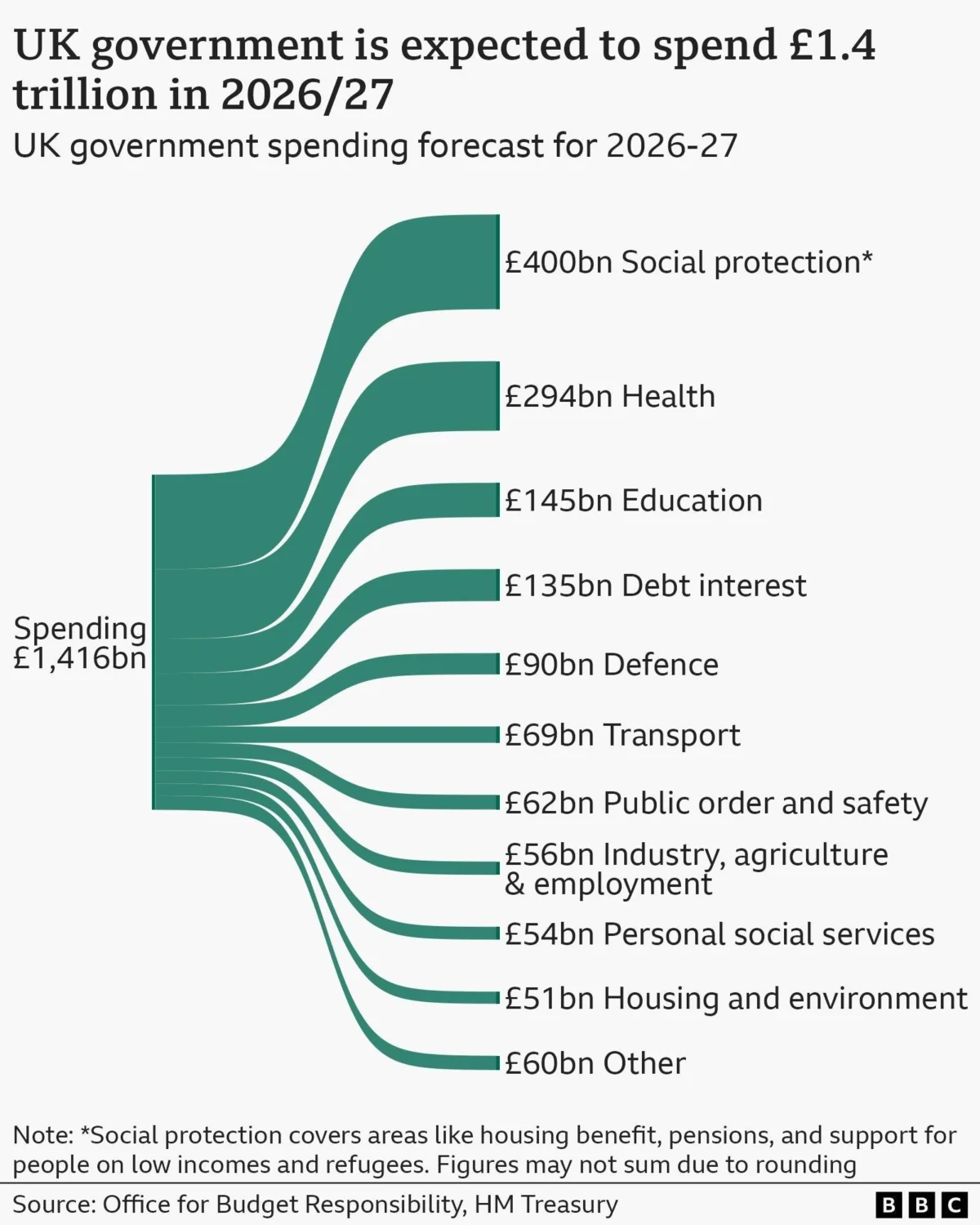
Ending Rough Sleeping in England
Burnham’s commitment to tackling homelessness was front and centre from his very first moments as Prime Minister. In his impactful speech delivered outside Downing Street on Monday, he declared that his "first instruction" to his new administration would be "to end rough sleeping in our country." This ambitious directive underscores a critical social challenge, given that the most recent official data for England in autumn 2025 revealed approximately 4,800 individuals sleeping rough on a single night, a stark increase from the 1,800 recorded in 2010. This upward trend reflects a deepening crisis, often exacerbated by economic hardship, lack of affordable housing, and inadequate support services.
To address this, the government promptly announced a substantial investment of £340 million spread over a five-year period. This funding package is designed to support at least 3,000 individuals experiencing homelessness, providing a lifeline through various interventions. The money is slated to come from existing "uncommitted" budgets within the Department for Levelling Up, Housing and Communities. This means that while the Treasury had already allocated these funds to the department, they had not yet been earmarked for specific projects. By redirecting these unassigned resources, the government aims to swiftly implement programs for emergency accommodation, support services, and preventative measures, signalling a clear intent to prioritise this issue. The five-year timeframe suggests a comprehensive, rather than short-term, approach to a deeply entrenched problem, though the sheer scale of the challenge means that sustained effort and broader policy changes will likely be required beyond this initial funding.
VAT Cut from Electricity Bills
On Tuesday morning, the Treasury unveiled a significant measure aimed directly at easing household financial pressures: a cut in VAT from domestic electricity bills for the current financial year. This policy is projected to save a typical household an estimated £45 annually, taking effect from the autumn. The cost of this tax cut is estimated at £850 million for the 2026-27 fiscal year. To fund this, the government announced the scrapping of the previous administration’s ambitious digital ID scheme, which had been projected to cost £1.8 billion over the next three years.
However, the funding mechanism for this VAT cut has drawn scrutiny. The Office for Budget Responsibility (OBR), the independent fiscal watchdog, had previously noted in the last budget that the digital ID scheme itself was "unfunded" at that stage. This critical detail implies that while cancelling the digital ID scheme removes a future spending liability, it does not, in itself, generate new funds to pay for the VAT cut. Essentially, one unfunded commitment is being replaced by another. Consequently, this £850 million tax reduction will necessitate proper funding in the upcoming budget, either through new tax increases or specific spending cuts in other areas. This situation highlights the fiscal tightrope the new government must walk, balancing popular cost-of-living measures with the need for sound financial management and transparency regarding how these policies are truly financed. The political appeal of reducing a direct household cost is undeniable, but the long-term fiscal implications will be closely watched.
£2 Cap on Bus Fares
Another key pledge to tackle the cost of living, announced on Wednesday, was the reduction of the bus fare cap in England from £3 to £2, effective from 1 January 2027. This initiative, while significant, notably excludes London, which operates its own distinct public transport fare structure. The Department for Transport estimates that this bus fare cap will cost more than £500 million.
The government proposed funding this policy by replacing grants for international climate projects with loans. The rationale is that these loans would be expected to be repaid in full, along with interest, thereby freeing up capital to cover the costs of the bus fare cap. However, this approach has been met with reservations from fiscal experts. Max Warner from the Institute for Fiscal Studies (IFS) highlighted inherent uncertainties, stating, "It’s not clear how much we would expect to be paid back nor what the interest rates will be." This uncertainty introduces a potential risk to the funding model; if the international climate loans are not repaid as expected, or if interest rates prove less favourable, the actual cost to the government could be higher than anticipated, potentially requiring alternative funding sources. Furthermore, this shift from grants to loans for international climate projects could also spark debate regarding the UK’s commitment to global climate initiatives and its approach to international development funding, given that grants often represent more direct and unconditional support compared to loans. The policy aims to make public transport more accessible and affordable for millions, promoting ridership and potentially reducing carbon emissions from private vehicles, but its long-term financial stability remains contingent on the successful execution of the loan-based funding strategy.
Cut in Business Rates for Pubs
On Thursday, the government extended its economic relief measures to the hospitality sector, announcing a 20% cut in business rates for pubs, clubs, and live music venues across England, commencing in April 2027. This measure is designed to provide substantial relief, with a typical pub expected to save around £1,100 annually. The Treasury estimates the annual cost of this tax cut at approximately £100 million.
While the government declared this measure to be "fully funded," specific details on how it would be entirely met were somewhat vague. The announcement indicated that "part of the cost would be met by ‘reviewing reliefs for businesses that do not make a positive contribution to local communities, such as vape shops’." This statement opens the door to potential controversy, as defining which businesses "do not make a positive contribution" could be subjective and politically charged. The government did not elaborate on what other types of businesses might fall into this category, leaving room for speculation and concern among various sectors.
It is also crucial to note that this latest support package for pubs comes on top of an existing business rates support package announced by the previous Starmer government in January. That package included a 15% cut for pubs in the current financial year (2026-27) and a real-terms freeze in their rates for the subsequent two years, with an estimated first-year cost of £80 million. The cumulative effect of these two packages means the Treasury will need to provide a comprehensive official costing for the overall support in the upcoming Autumn budget, ensuring clarity on the total expenditure and its funding sources.
No 10 North
Burnham concluded his first week as Prime Minister by physically relocating part of the government’s operational heart to Manchester, working from the new No 10 North. Located at Heron House in the city centre, this new hub is envisioned as the "situation room for making Britain better," a clear signal of the government’s commitment to the "levelling up" agenda and decentralisation of power. Burnham is expected to work from No 10 North each week, with other senior ministers, including Education Secretary Lucy Powell and Chancellor of the Duchy of Lancaster Louise Haigh (who oversees the department), also maintaining a regular presence.
The operation is set to expand significantly, with up to 300 civil servants expected to join the Manchester hub by the end of the next year. Despite the substantial logistical undertaking, Downing Street insists that this initiative will incur "no additional cost to taxpayers." Burnham’s spokesman stated that "the running of No 10 North will be covered by existing Cabinet Office budgets." This implies a re-prioritisation or reallocation of existing departmental funds rather than new money being injected. While presented as cost-neutral, the establishment of a new operational hub of this scale, even within existing budgets, will inevitably require careful financial management and potential trade-offs in other areas of Cabinet Office spending. The symbolic value of this move, signalling a shift of power and attention away from London, is immense, but its practical implementation without additional cost will be a key test of administrative efficiency.
How Does It All Add Up?
The sum of these initial pledges by Andy Burnham’s government amounts to approximately £1.5 billion. While this figure might appear substantial, it represents a relatively modest commitment when compared to the UK government’s overall projected spending, which is estimated to be around £1.4 trillion (£1,400 billion) for the current year. Therefore, these first-week announcements account for roughly 0.1% of total public expenditure, indicating a cautious start rather than an immediate radical overhaul of the public finances.
However, the more pressing question revolves around Burnham’s intentions regarding more expensive, long-term policies that he has previously championed. Significant reforms to social care, for instance, a perennial challenge for successive governments due to its escalating costs and complex funding models, would require billions. Similarly, an ambitious expansion of council house building, vital to address the ongoing housing crisis and affordability issues, is another high-cost commitment. Burnham has already promised "the biggest council house building programme since the post-war period." Estimates from the Centre for Cities think tank suggest that to merely match the English council house building rates seen between the 1950s and 1970s would necessitate an additional public subsidy of £13 billion per year.
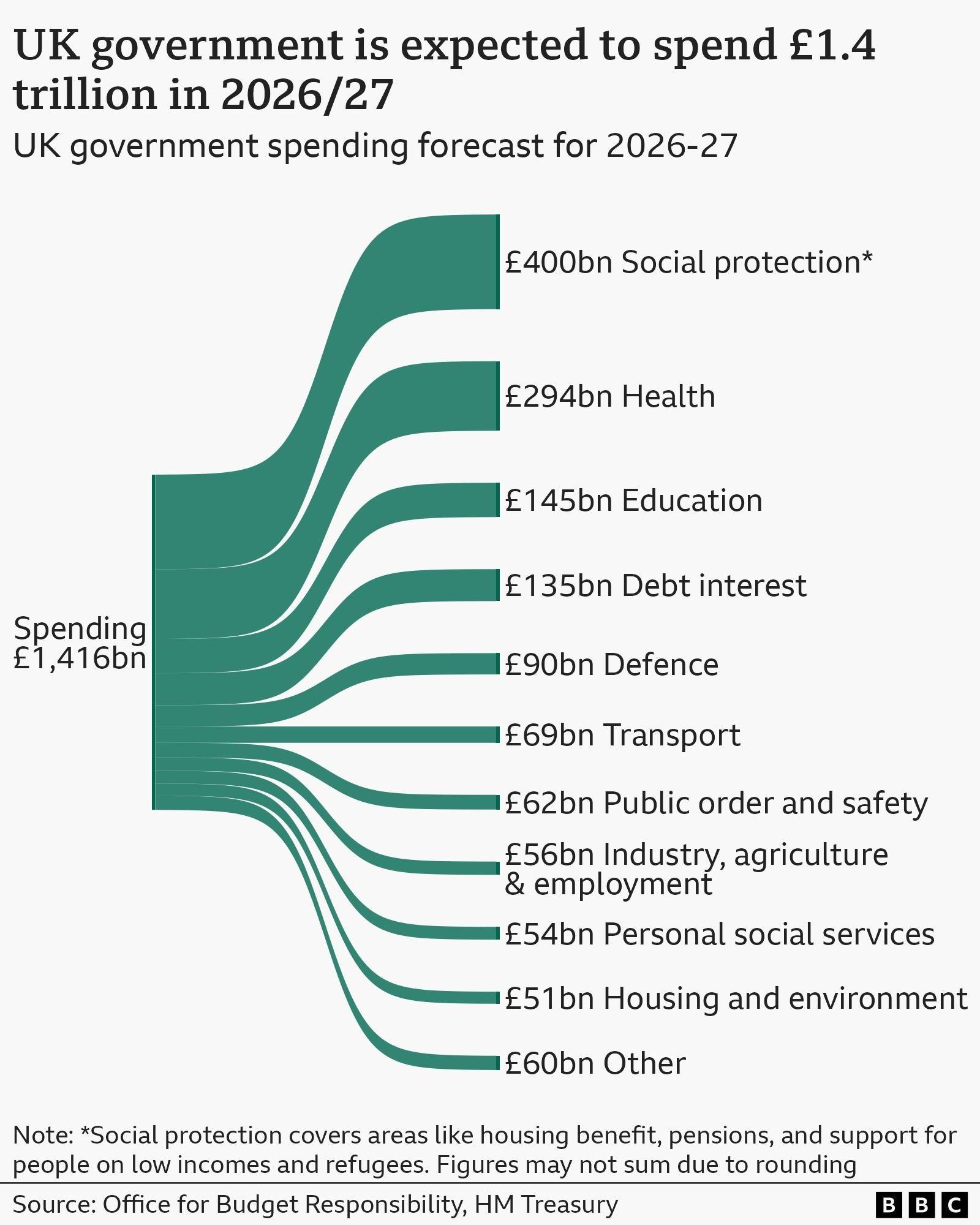
Other potential major spending areas include a possible raise in the income tax personal allowance, which the Institute for Fiscal Studies (IFS) has estimated could cost between £8.5 billion and £9 billion, although the idea of this happening imminently was reportedly downplayed within days of its initial mention. Furthermore, Chancellor John Healey’s ambition to increase defence spending from 2.7% to 3% of GDP by 2030, a position that led to his resignation as Keir Starmer’s defence secretary, would incur an additional cost of approximately £9 billion annually in today’s money.
Policies of such considerable scale, potentially running into tens of billions, would undoubtedly require detailed articulation in future budgets and comprehensive spending reviews. Crucially, these announcements would need to be accompanied by clear and credible plans for their funding. Burnham has affirmed his commitment to adhering to the government’s existing fiscal rules: specifically, not borrowing for day-to-day spending and ensuring that national debt falls as a share of the economy by the end of the current Parliament. This adherence implies that any major new spending commitments would inevitably necessitate difficult choices, either through raising taxes or implementing significant spending cuts elsewhere across the public sector. The challenge for Burnham’s administration will be to reconcile ambitious policy goals with fiscal responsibility, navigating the tension between delivering on promises and maintaining economic stability.



 Roy Suryo

 Nakalama John
 atisusanti
