
 Ramos Leo
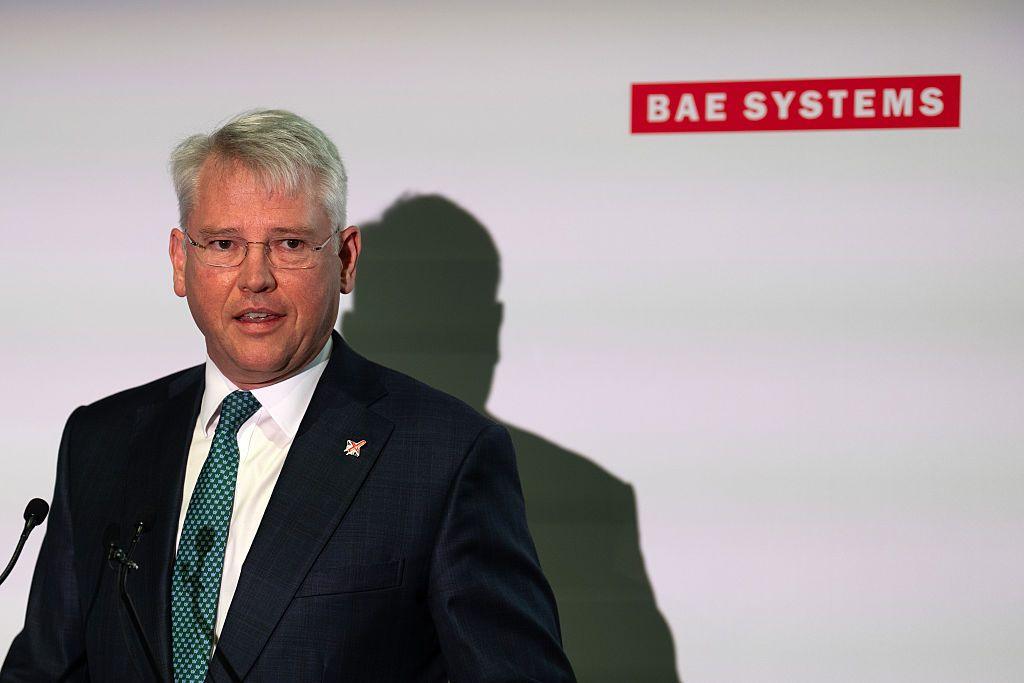
While acknowledging and welcoming the government’s recent commitment to increased defence spending, Dr. Woodburn stressed that considerably more investment would be required to achieve the ambitious target of allocating 3.5% of GDP to defence by 2035. His concerns extend beyond mere budgetary figures, encompassing the rapid evolution of modern warfare. He specifically highlighted the imminent widespread use of autonomous lethal weapons, noting with apprehension that many countries may not adhere to the UK’s ethical policy of maintaining human oversight – a "man in the loop" – for such systems.

Woodburn articulated that the very fabric of modern warfare has undergone a "profound" transformation, a reality the UK’s defence strategy must rapidly adapt to. He pointed to the ongoing conflict between Russia and Ukraine as a crucial crucible for this evolution, where both sides have become "incredibly adept" at deploying autonomous capabilities, particularly in the form of drones and counter-drone technologies. "It’s something that we now have to really understand and make sure that we’re able to provide the capabilities that can counter that and deter aggression," he emphasised, underscoring the imperative for the UK to not only catch up but also innovate in this critical domain.
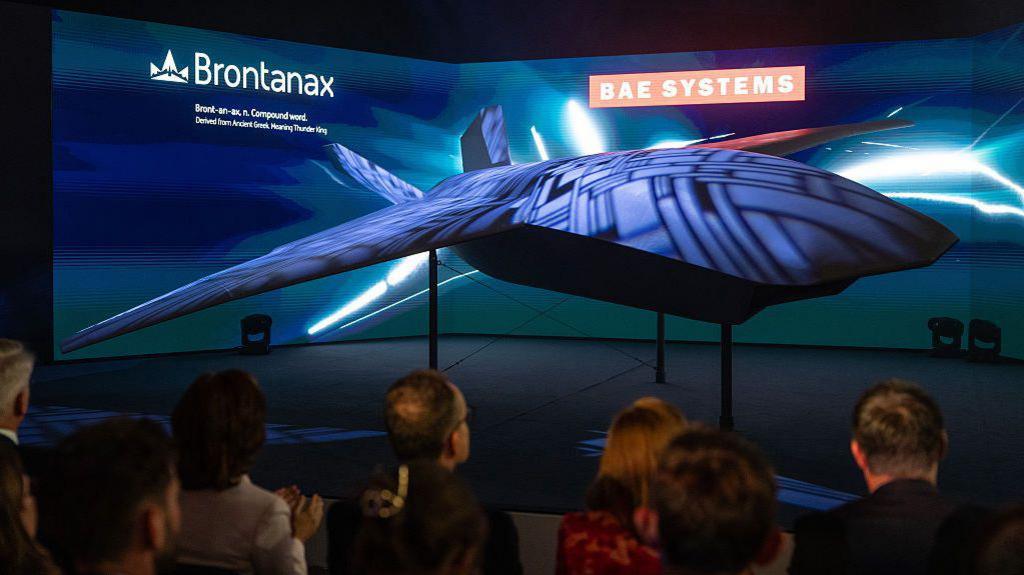
The gravity of this shift was visually reinforced at the Farnborough International Air Show, where BAE Systems unveiled a life-size model of Brontanax, an uncrewed Collaborative Combat Aircraft (CCA). This revolutionary concept envisions four such unmanned fighter jets accompanying a single manned aircraft, dramatically multiplying firepower at a mere 20% of the cost of a traditional piloted fighter. The introduction of such autonomous systems is not, however, intended to render traditional military hardware obsolete. Woodburn clarified that there remains a vital role for the battleships and submarines that BAE has been constructing for decades. "If you look at what our adversaries are building, they’re also building significantly large platforms – aircraft, ships, submarines. And they’re supplemented by some of these unmanned capabilities." He asserted that the truly "winning" formula lies in the intelligent combination and integration of both manned and unmanned platforms.

It might be expected for the head of a defence company to advocate for increased military expenditure. Yet, Woodburn’s admonition stems from a deeper conviction that the UK has been dangerously complacent for too long about the severity of threats it faces, particularly from a resurgent Russia. He reflected on his tenure, stating, "This is by far the most threatening time I’ve seen." Even when he joined BAE in 2016, he was struck by the aggressive activities of Russian submarines and the sophistication of their cyber attacks. "I think that’s come a long way sadly as a result of the Ukraine conflict we’re much more aware of the proximity of a hot war in Europe," he added, indicating a critical shift in global geopolitical realities that demands an immediate and robust response.
The war readiness of the UK’s armed forces has become a contentious issue, drawing sharp criticism from senior military figures and even open derision from international allies. General Sir Gwyn Jenkins, the First Sea Lord, recently issued a blunt assessment, declaring that the Royal Navy is simply "not ready for war." Across the Atlantic, American commentators have voiced similar concerns, with Pete Hegseth, the US defence secretary, making sarcastic remarks about the "big bad Royal Navy," and former President Donald Trump famously dismissing the UK’s aircraft carriers as "toys." These critical observations highlight a worrying perception of diminished capability and readiness.
This impression was further exacerbated by the delayed deployment of HMS Dragon, a destroyer built by BAE Systems, to provide air cover for Cyprus amidst threats from Iranian proxies and Hezbollah. While the incident raised questions about the UK’s rapid response capabilities, Woodburn defended BAE Systems, insisting that the company acted swiftly once instructed by the Ministry of Defence. "BAE gets things in place as quickly as we’re able to but at the end of the day you need a signal to move," he explained, suggesting that the issue lay not with the supplier but with the governmental decision-making and operational signalling process.
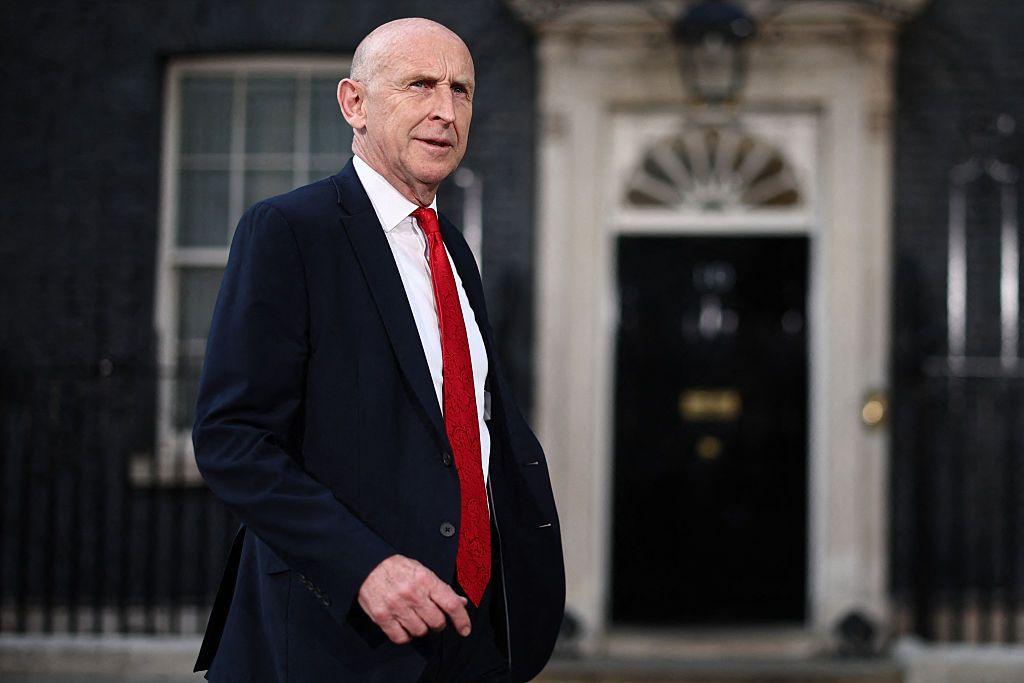
The political landscape surrounding defence spending has also seen significant developments. Dr. Woodburn welcomed the recent promotion of former Defence Secretary John Healey to the pivotal role of Chancellor. Healey had previously resigned from his defence post, publicly asserting that the initial additional funding allocated to defence "falls well short of what is needed to protect the country." Following his resignation, the supplementary £13.5 billion was marginally increased to £15 billion. However, this adjustment still only projects defence spending to reach 2.68% of GDP by 2030, considerably below the 3% Healey deemed necessary and far short of the government’s long-term target of 3.5% by 2035. This necessitates a substantial future increase in funding, which will be a major challenge for the new Chancellor.
The news of Healey’s move to Number 11 Downing Street saw a rise in shares for defence companies, including BAE, reflecting market optimism about a Chancellor with a deep understanding of defence needs. Woodburn acknowledged that Healey would face a complex array of national financial challenges, balancing the demands of various government departments. Nevertheless, he expressed strong confidence, stating, "We have tremendous respect for John. He understands what is needed and I think in that sense its very good he’s in the Treasury role." He reiterated, "The fact that he understands the requirements of defence we see as a very positive thing," suggesting that Healey’s unique perspective could be instrumental in advocating for defence investment within the Treasury.
The UK’s armed forces have experienced a significant reduction in size since the end of the Cold War. In 1990, the British Army boasted 153,000 regular soldiers; today, that number has plummeted to just 74,000. However, in an era of rapidly advancing military technology, the optimal number of human soldiers is a subject of intense debate. Woodburn posited that a new era of autonomous lethal weaponry is not merely on the horizon but "close at hand." He cautioned, "While we follow rules of ‘man in the loop’ we know very well that our adversaries are not always doing that," highlighting a critical strategic disadvantage if the UK fails to adapt to the operational realities of potential adversaries.
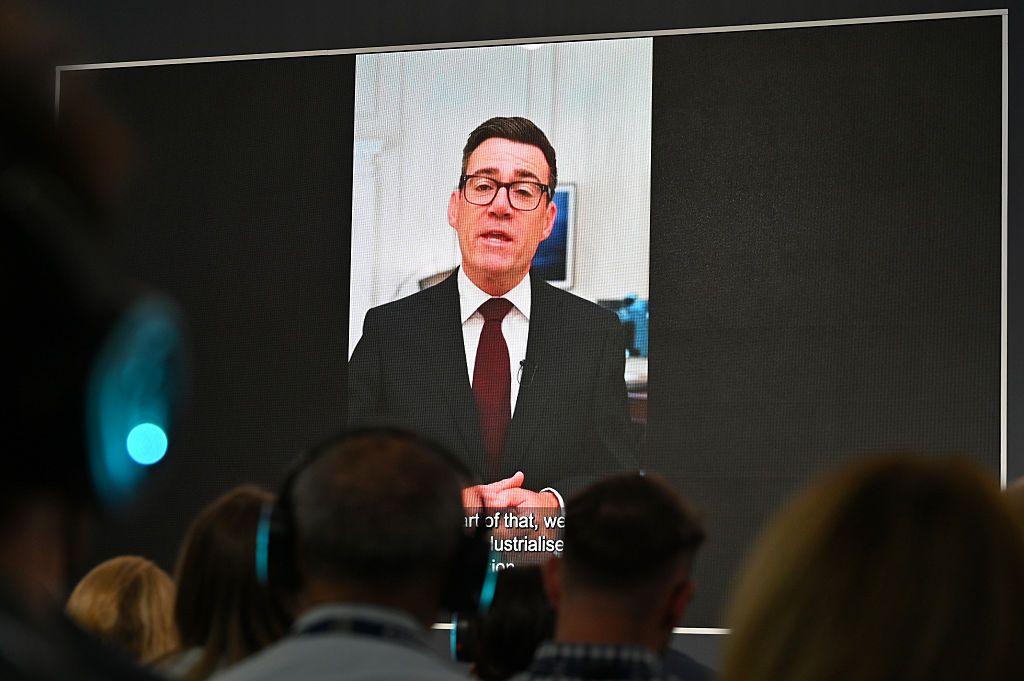
At the Farnborough International Air Show, new UK Prime Minister Andy Burnham delivered a video message emphasising the significant role defence could play in his broader vision to reindustrialise the economy and generate thousands of highly skilled jobs across the country. Echoing this sentiment, Defence Secretary Wes Streeting, in his keynote speech at the air show, declared: "Defence will not just be a recipient of the proceeds of economic growth. It will be a central contributor to building that growth, a driver of prosperity in parts of the country that are crying out for the backing they need to make their contribution to the challenge of our time."
Dr. Woodburn affirmed his desire to actively champion the collateral benefits of defence spending, beyond purely military capabilities. "We need to make sure that the industrial benefits, the jobs benefits are well told so people understand this is money well spent," he stated, aiming to build a stronger public and political consensus for defence investment by showcasing its wider economic contributions.
When asked if he ever wrestled with the ethical implications of his company’s products ultimately being designed to kill, Woodburn offered a profound perspective. "The thing I always think about is that the best thing we can do is to deter. Deterring war means our brave men and women have the best kit they could possibly have. Our mission as a business is to protect those who protect us and we take that incredibly seriously." His words underscore a philosophy rooted in prevention and protection, positioning BAE Systems’ innovations as essential tools for safeguarding national security and preserving peace through strength. The message is clear: the UK faces a critical juncture, and strategic, sustained investment in defence is no longer a choice but an imperative for national security and global stability.



 Roy Suryo

 Nakalama John
 atisusanti
