
 Roy Suryo
In a groundbreaking scientific achievement, researchers at Stanford University have successfully employed artificial intelligence (AI) to design and synthesize entirely new, functional viruses. These novel viruses, capable of replicating in a laboratory setting, represent a significant leap in the field of synthetic biology. The 16 newly engineered viruses are specifically designed to infect bacteria, posing no threat to human health. This breakthrough has been hailed as a pivotal moment, potentially ushering in a new era for disease treatment, but it also raises substantial safety and security concerns.
The AI models, named Evo1 and Evo2, function analogously to large language models like ChatGPT. Instead of predicting sequences of text, these AI systems predict the "language of life" – genetic codes. Trained on the genetic material of a diverse range of organisms, including viruses, bacteria, plants, and humans, the AI was then fine-tuned to generate bacteriophages. Bacteriophages are viruses that exclusively infect bacteria, making them a safe target for this research.
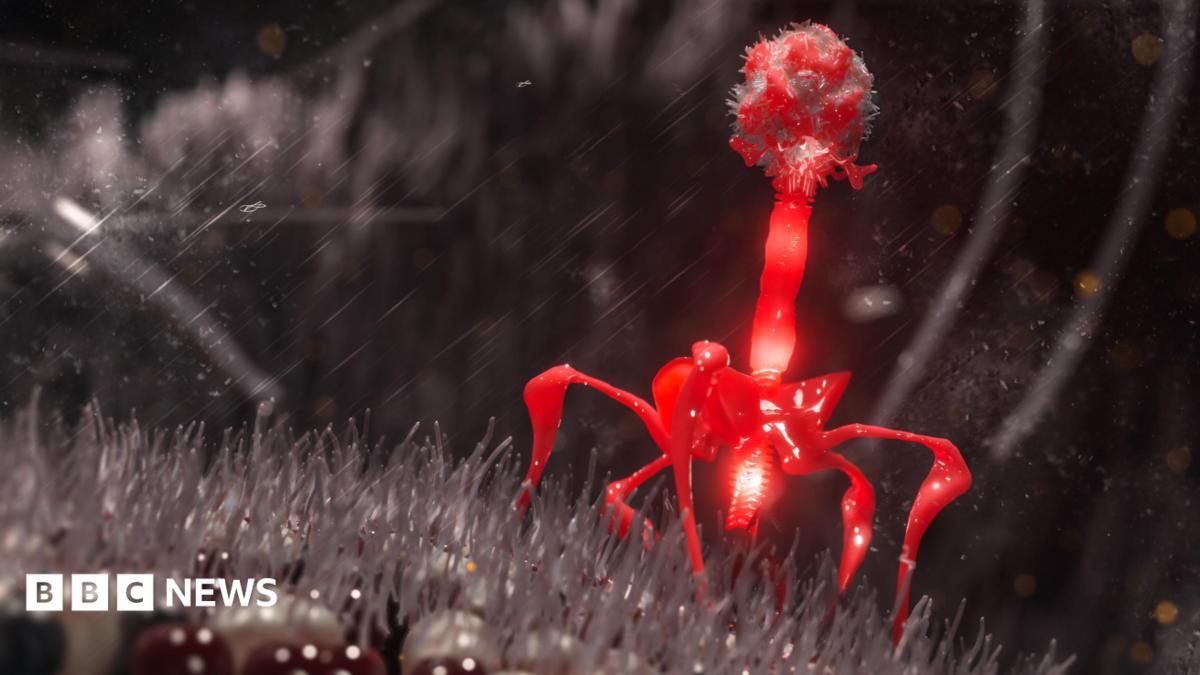
"This is a next step in the complexity that’s designable by generative AI," explained Brian Hie, an assistant professor at Stanford University, in an interview with the BBC. "This is the first time generative AI has been used to design a complete genome, something that can replicate and have other functions inside cells… this was new territory for us."
The process involved the AI generating numerous potential viral genomes. From these digital blueprints, the researchers selected the 302 most promising designs and synthesized them in the laboratory. Rigorous testing revealed that 16 of these AI-designed bacteriophages were effectively capable of killing E. coli bacteria.
Samuel King, a PhD student involved in the research, described the exhilarating moment of discovery. "We were starting to see these clear spots and it was just extremely exciting," he said, referring to the visible zones of bacterial lysis on petri dishes. The team’s elation was palpable, with Hie recalling, "the room spontaneously burst into applause" when the results were shared.
The implications of this research extend far beyond academic curiosity. The ability to design new bacteriophages offers a potent new weapon in the fight against antibiotic-resistant bacterial infections, a growing global health crisis. Phage therapy, which utilizes viruses to target and destroy bacteria, is seen as a promising alternative to conventional antibiotics, which are losing their efficacy.
However, this advancement also highlights the dual-use potential of AI in biological research. The same technology that can be harnessed for therapeutic purposes could, in theory, be misused to engineer novel pathogens. In a commentary published alongside the research in the journal Science, Dr. Thomas Inglesby and Dr. Moritz Hanke from the Center for Health Security at Johns Hopkins University emphasized the "urgent biosafety and biosecurity questions" raised by these findings. They noted that the question is no longer "whether generative viral genome design will exist" but rather how to ensure its use does not "enable serious harm." They strongly advised against pursuing new viruses with the potential to cause disease.
The Stanford researchers were acutely aware of these potential risks and implemented stringent safety protocols. They deliberately excluded viruses capable of infecting complex organisms from their training data. Furthermore, their research focused exclusively on bacteriophages, not human-pathogenic viruses, and was conducted within a secure laboratory environment. Hie expressed confidence that existing safeguards are largely sufficient to "ensuring that the technology is used for good."
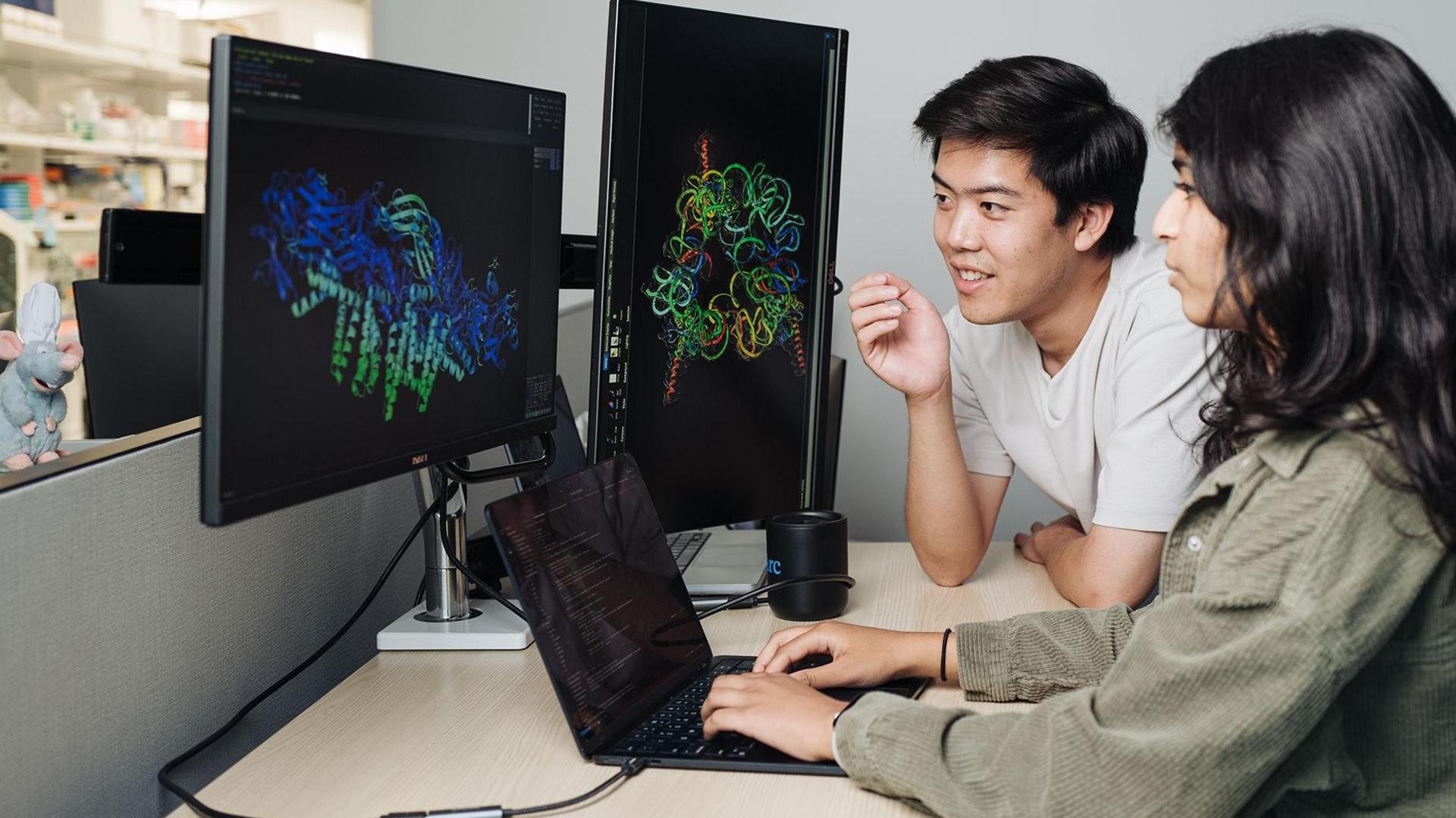
This research represents a significant milestone in the burgeoning field of synthetic biology, the discipline that seeks to design and construct new biological parts, devices, and systems, or to re-design existing, natural biological systems for useful purposes. The AI’s ability to design a complete, functional viral genome moves beyond simply analyzing existing biological data to actively creating novel biological entities.
"From computers bits to atoms" is a fitting description for this paradigm shift. Viruses, while incredibly complex, are not considered living organisms. They lack the cellular machinery necessary for self-replication and metabolism, relying entirely on host cells to reproduce. Creating living organisms from scratch using AI would represent a considerably greater challenge, requiring the design and assembly of much larger and more intricate genomes. The genetic code of the AI-designed bacteriophages is approximately 5,400 base pairs long. In contrast, the smallest known genome of a living cell is around 500,000 base pairs, and the human genome comprises three billion base pairs. While acknowledging the increased complexity, Hie suggested that designing simple organisms is "probably a lot of work, but not impossible" and expressed the team’s interest in pursuing such goals.
Professor Marc Güell from the synthetic biology lab at Pompeu Fabra University in Spain lauded the study as a "very significant turning point." He stated, "for the first time in history, we are beginning to design biology on a computer." This capability, he believes, "allows us to dream of exciting possibilities for tackling humanity’s greatest challenges," such as developing targeted phages for disease control, designing novel enzymes for treating genetic disorders, and engineering sophisticated antibodies for immunotherapies.

Professor Patrick Cai, chair of synthetic genomics at the Manchester Institute of Biotechnology, echoed this sentiment, calling the study an "important milestone." He highlighted that "The significance extends far beyond phages – it suggests that genome language models are beginning to learn the design principles encoded by evolution, opening the door to AI-assisted genome writing." This suggests that AI is not merely mimicking existing biological patterns but is starting to grasp the underlying rules that govern life itself, paving the way for a new era of biological engineering. The ability to write genomes, guided by AI, promises to accelerate innovation across a multitude of scientific and medical domains.




 Nakalama John
 atisusanti
 Ramos Leo
