
 Roy Suryo
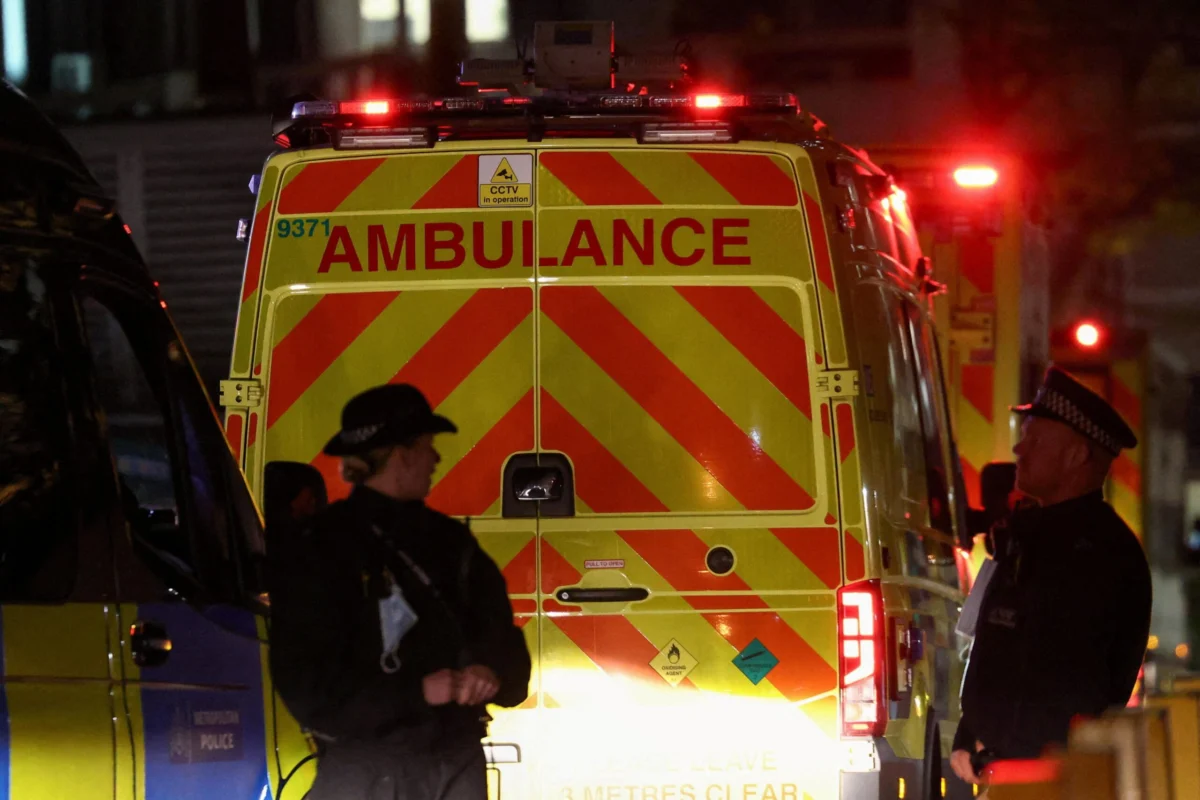
A British national who contracted the deadly Ebola virus in the Democratic Republic of Congo (DRC) has been safely transported to the United Kingdom for specialized medical treatment. The patient, a healthcare worker whose identity has not been disclosed, arrived at RAF Northolt in west London via a specially equipped aircraft. From there, a meticulously planned convoy, including multiple ambulances and police escort vehicles, transferred him to the Royal Free Hospital in Hampstead, north London. The Royal Free Hospital is renowned for its high-security infectious diseases unit, equipped to handle such highly contagious and dangerous pathogens.
This marks the first confirmed case of a UK national contracting Ebola during the ongoing and particularly severe outbreak in the DRC, which has tragically claimed over 5,000 lives. The government has assured the public that robust protocols are in place to manage such situations, emphasizing that the risk to the wider population remains extremely low. The arrival of the infected individual has triggered a significant security and logistical operation, involving close coordination between various emergency services and healthcare institutions.

The convoy, a formidable presence on the roads, comprised several large police vans acting as outriders and rear guards, two ambulances carrying the patient and medical personnel, and additional support vehicles. Traffic was temporarily halted to facilitate the smooth passage of the convoy, with police officers ensuring public safety and maintaining a cordon around the vehicles as they arrived at the Royal Free Hospital. This level of security underscores the seriousness with which the UK is treating the situation and its commitment to containing any potential spread.
The Royal Free Hospital has a proven track record in managing Ebola cases, having successfully treated three healthcare workers who were evacuated from West Africa during the 2014-2015 Ebola epidemic. This experience provides a critical foundation for the current medical response. In total, the UK has recorded only four confirmed cases of Ebola historically: one in 1976 resulting from a laboratory incident, and the three health workers treated between 2014 and 2015. Notably, none of these previous cases in the UK resulted in fatalities, a testament to the country’s advanced medical capabilities and preparedness.

The current outbreak in the DRC, which began in May, has escalated dramatically, becoming the second deadliest on record, surpassed only by the West African epidemic of the previous decade. As of late last month, the fatality rate for this current outbreak in the DRC was reported at a concerning 48.6%. Ebola is a devastating illness, characterized by early symptoms such as severe vomiting and diarrhea. Without prompt and specialized care, it can rapidly progress to organ failure and life-threatening internal bleeding. The virus is highly contagious, spreading through direct contact with the bodily fluids of infected individuals, including blood, vomit, and other secretions.
The specific variant of Ebola driving the current outbreak in the DRC is the Bundibugyo strain. While there is no universally approved vaccine, significant progress is being made in the development of experimental treatments. The World Health Organization (WHO) has announced plans to include two new candidate drugs in an ongoing clinical trial, aimed at accelerating the evaluation of promising new therapies. These vaccines, developed by the University of Oxford in conjunction with the Serum Institute of India, and by the biotechnology firm Moderna, will enter the trial pending approval from Congolese health authorities. This represents a crucial step towards testing vaccines specifically designed to combat the Bundibugyo virus in real-time during an active epidemic.

The spread of Ebola has not been confined to the DRC, with confirmed cases also reported in neighboring countries such as Kenya, Nigeria, and Uganda, highlighting the regional and international implications of this persistent public health crisis. The global community remains vigilant, working collaboratively to support containment efforts, provide humanitarian aid, and advance scientific research to combat this formidable disease. The return of a British national with Ebola to the UK underscores the interconnectedness of global health challenges and the vital importance of international cooperation in addressing them. The medical team at the Royal Free Hospital is now tasked with providing the highest standard of care to the patient, drawing on their extensive expertise and the advanced resources available to them. The focus remains on ensuring the patient’s recovery while rigorously maintaining public safety and preventing any secondary transmission. The comprehensive operational response, from the aerial evacuation to the ground transfer and hospital admission, showcases the UK’s preparedness and dedication to protecting its citizens and contributing to global health security.



 George Anjay

 Nakalama John
 atisusanti

 Ramos Leo
