
 Nakalama John
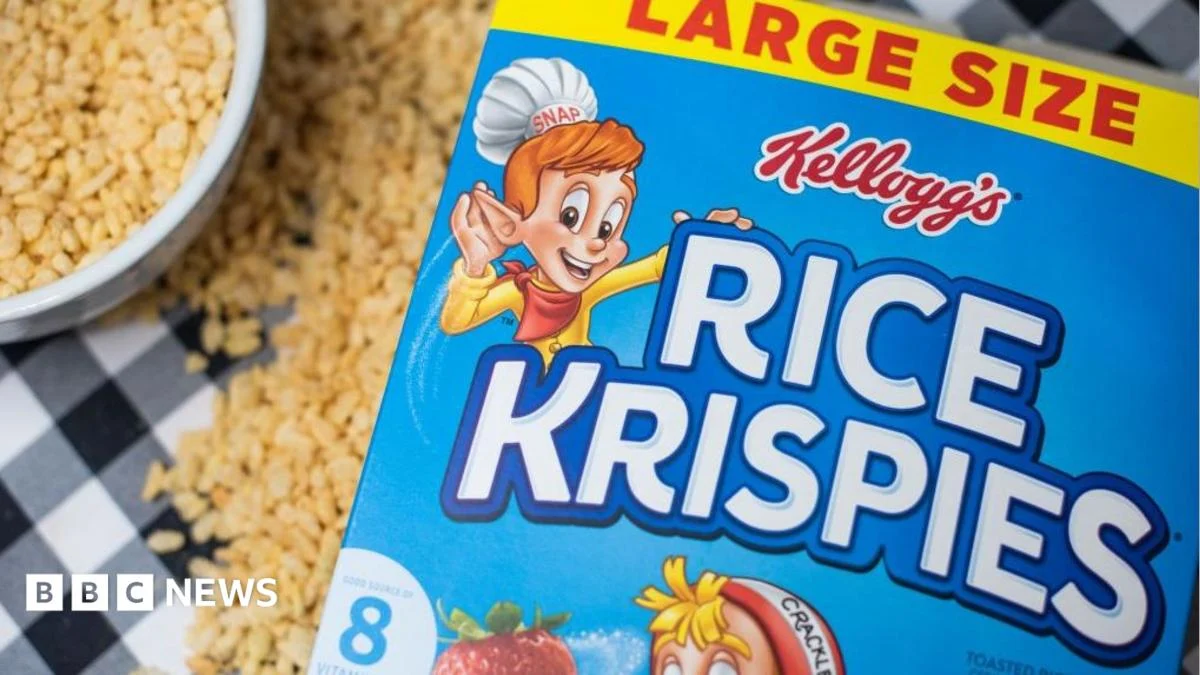
The core of the controversy lies in a fundamental shift in the manufacturing process for these cereals. Traditionally, Rice Krispies were crafted from whole rice grains, which were then puffed into their distinctive light, airy form. However, Kellogg’s has transitioned to a new formulation, now using a blend of corn flour and rice flour instead. This change directly impacts the cereal’s physical structure, altering the way it interacts with liquid and, consequently, the famous "snap, crackle and pop" phenomenon. That distinctive sound, a result of air pockets within the toasted rice expanding and collapsing as they absorb milk, is now inherently different with the new flour-based composition.
A Kellogg’s spokesperson acknowledged the challenge, stating that retaining the iconic sound had been a "huge focus" during the development of the new recipe. Despite these efforts, the firm conceded that consumers "might notice that the sound may be quieter and not as instant as before," confirming the widespread anecdotal evidence circulating online. The outcry from fans has been swift and vocal, particularly across social media platforms like TikTok, where numerous videos and posts have documented the perceived decline in quality. Complaints ranged from altered taste and texture to the complete absence of the familiar auditory cues.
Consumers expressed profound disappointment, with some labelling the new versions "grim" and "disgusting." Dani, a parent posting on TikTok, highlighted the practical impact, stating, "There’s no snap, crackle and pop in these. My toddler won’t eat them." This sentiment was echoed by Lauren, another long-time Rice Krispies enthusiast, who shared her dismay: "I had a bowl of the new recipe and you can immediately tell the difference. They don’t have the snapping sound when you put in the milk." Jessicake, meanwhile, described the altered taste as "weird and stale," underscoring the broad dissatisfaction. For many, Rice Krispies are more than just a breakfast cereal; they are intertwined with childhood memories and morning rituals, making any deviation from the familiar recipe a deeply felt change.
Kellogg’s attributes the recipe adaptation to "changing weather conditions" that have disrupted the global supply of certain grains and cereals. Specifically, the company cited extreme weather events in Spain during 2022 and 2023, which severely reduced the availability of the particular types of rice previously used for their breakfast cereals. This explanation points to the growing vulnerability of global food supply chains to climate change and extreme weather phenomena. Droughts, floods, and heatwaves can decimate crop yields, drive up ingredient prices, and force manufacturers to seek alternative sources or reformulate products. Kellogg’s stated that the change in the UK was necessary to help "maintain consistent quality" amidst these challenges, as well as to mitigate rising ingredient costs.
The "Snap, Crackle and Pop" trio of mascots and the associated sound effect have been central to the Rice Krispies brand’s marketing since the 1950s, becoming synonymous with the product’s unique appeal. The sound’s absence or reduction is therefore not merely a minor tweak but an erosion of a core brand promise. While Kellogg’s insists the sound is "still there," the qualification that it is quieter and less instant is a clear acknowledgment of consumer experience.
Recipe changes by major food brands are notoriously fraught with risk, often leading to significant backlash from loyal customers. The emotional attachment consumers form with familiar products means that even minor alterations can provoke strong reactions. Examples abound, from chocolate makers frequently accused of reducing cocoa content to ongoing debates about subtle changes in ketchup ingredients. Perhaps one of the most famous instances in the UK was when Scottish fizzy drink Irn-Bru cut its sugar content in 2018, prompting fans to famously stockpile crates of the original version, illustrating the depth of consumer sentiment and resistance to change.
Importantly, Kellogg’s confirmed that these recipe changes are specifically for products sold in the UK. Rice Krispies products in the US and Canada remain unaffected, a distinction explained by the recent corporate restructuring. In 2023, the original Kellogg company separated into two distinct entities. The largest is Kellanova, which manages global snacks, cereals, noodles, and other food products like Eggo, Pringles, and Pop-Tarts, and is now owned by Mars. The other business, WK Kellogg’s, operates exclusively in North America and has since been acquired by Italian chocolate giant Ferrero. This corporate split clarifies why recipe modifications might be localised.
The global context of ingredient sourcing is becoming increasingly challenging. The World Meteorological Agency anticipates that the current record-breaking El Niño weather phenomenon will persist until at least 2027. This long-duration event is expected to intensify pressure on crop production worldwide, particularly in regions like Southeast Asia, which accounts for over a quarter of the world’s rice supply. Droughts, floods, and unseasonable temperatures associated with El Niño directly impact agricultural yields, making it harder for food manufacturing companies to source reliable and affordable ingredients. This broader environmental and economic pressure likely informed Kellogg’s decision to adapt its recipes, balancing product consistency and availability against potential consumer dissatisfaction.
Kellogg’s stated that the new versions had been "carefully assessed for taste, appearance and texture" before launch. They expressed appreciation for customer feedback, acknowledging that "even small changes to a much-loved product can feel noticeable." The company affirmed its commitment to "continue to look at ways to make [its] products even better in the future."
Beyond the "snap, crackle, pop" controversy, the cereals have undergone other modifications over the years, including reductions in salt content in the 1990s and lowered sugar levels in 2018, reflecting evolving public health guidelines and consumer preferences. Kellogg’s confirmed that the new Rice Krispies and Coco Pops formulations will continue to meet UK food standards for fat, salt, and sugar levels. The company also stressed that the cereals contain no artificial colours, flavours, or sweeteners, and that the nutritional benefits, such as fibre, Vitamin D, and iron, remain unchanged.
However, a critical consequence of the new recipe is the inclusion of a "contains wheat gluten" warning on packaging. While the cereals already contained barley-malt extract, the addition of wheat flour introduces a new allergen, potentially excluding individuals with wheat allergies or sensitivities from consuming the product. This change has significant implications for those managing specific dietary requirements.
The broader food industry, particularly in the breakfast cereal sector, has faced scrutiny from healthy eating advocates in recent years, with concerns often raised about processed foods low in fibre and high in sugar. While Kellogg’s maintains the nutritional integrity of its products, the recent recipe change highlights the complex challenges food manufacturers face in balancing tradition, consumer expectations, ingredient availability, and evolving global environmental conditions. The ongoing saga of the quieter Rice Krispies serves as a stark reminder of the deep connection consumers have with their food and the profound impact even subtle changes can have on beloved brands. Kellogg’s has stated it has not changed the recipe for any of its other cereals.


 atisusanti

 Ramos Leo

 Roy Suryo

 George Anjay
