
 Roy Suryo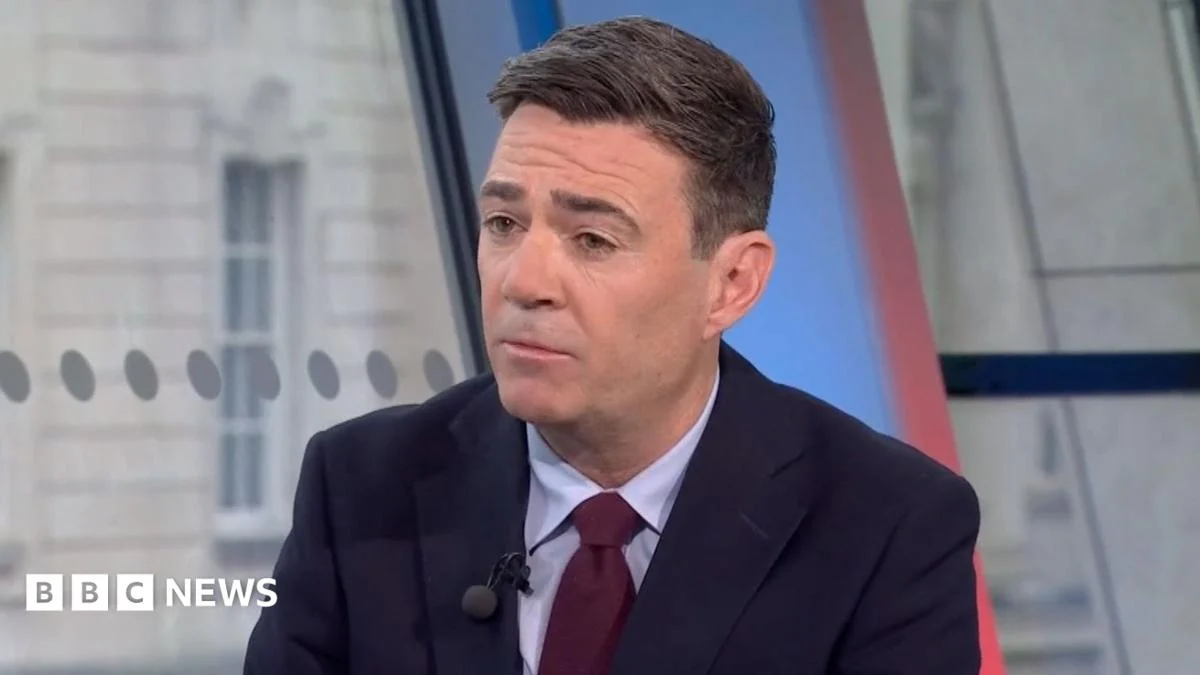
The dire state of England’s social care system, described by Prime Minister Andy Burnham as "threadbare" and on the precipice of collapse, has prompted a bold and ambitious proposal: a national care service, free at the point of use. In a stark warning delivered during an exclusive interview with the BBC’s Laura Kuenssberg, Burnham declared, "broken social care will in the end break the NHS," a sentiment he underscored with a resolute refusal to "look in the other direction" while the crisis deepens. This powerful declaration signals a pivotal moment in the ongoing debate about social care provision, a sector long plagued by underfunding, staff shortages, and a growing gap between need and availability.
Burnham’s vision for a National Care Service is not merely a rhetorical flourish; he pledged to develop a clear, actionable plan for this transformative initiative. This comprehensive blueprint will then be presented to the public for scrutiny and approval at the next general election, a democratic mandate sought to underpin such a significant reform. The proposed service aims to emulate the foundational principles of the National Health Service (NHS), ensuring that essential care is accessible to all, irrespective of their financial means. This echoes the original ethos of the NHS, which was established to remove the barrier of cost in accessing vital healthcare, and Burnham believes a similar approach is urgently needed for social care.
The ramifications of a failing social care system are far-reaching and directly impact the operational capacity and long-term sustainability of the NHS. Hospitals across England are frequently hampered by delayed discharges, as patients who are medically fit to leave hospital are unable to do so because there is no adequate social care provision in place to support them in the community. This creates a bottleneck effect, leading to overcrowded wards, increased waiting times for emergency admissions, and a strain on the entire healthcare infrastructure. Burnham’s insistence that social care’s breakdown will ultimately cripple the NHS is a recognition of this interconnectedness, a plea for a holistic approach to public services.
The current social care landscape in England is characterized by a patchwork of local authority funding, often insufficient to meet rising demands, and a reliance on private providers, many of whom operate on razor-thin margins. This has led to a chronic understaffing crisis, with low wages, demanding working conditions, and a lack of career progression deterring new entrants into the profession. The result is a workforce that is increasingly stretched, experienced professionals leaving the sector, and a palpable decline in the quality and availability of care. For individuals and their families, this translates into immense stress, uncertainty, and often, a desperate struggle to secure the support they need to live with dignity.
The proposed National Care Service seeks to address these systemic flaws by establishing a unified, publicly funded and delivered system. Key to this proposal is the principle of "free at the point of use," meaning individuals would not be required to pay for care services in the same way they currently might face escalating care costs, particularly for those with higher needs. This would alleviate the financial burden on individuals and families, preventing many from being forced to sell their homes or deplete their life savings to fund essential care. It would also simplify the complex and often bewildering array of funding streams and eligibility criteria that currently govern social care access.
Furthermore, a national service could facilitate a more consistent and equitable standard of care across the country. Variations in provision and quality currently exist between different local authorities, leading to postcode lotteries for care. A national framework would allow for standardized training, better regulation, and a more coordinated approach to service delivery, ensuring that everyone receives a comparable level of support, regardless of where they live.
However, the ambitious nature of Burnham’s proposal has not gone unchallenged. Shadow Home Secretary Chris Philp, speaking to Kuenssberg, raised a significant concern regarding the funding of such a comprehensive service. Philp warned that "more tax rises" are likely to be a necessary component of any plan to fund a free-at-the-point-of-use national care service. This prospect is presented as a "red line" for the Conservatives, indicating a fundamental ideological opposition to increased taxation, particularly for social welfare programmes. The debate over how to pay for social care reform has long been a contentious issue, with different political factions advocating for a range of solutions, from increased taxation and national insurance contributions to greater private sector involvement and means-testing.
The financial implications of a National Care Service are undoubtedly substantial. Providing care free at the point of use would necessitate a significant increase in public spending, requiring careful consideration of revenue generation. The question of whether this funding would come from general taxation, a dedicated social care levy, or a combination of approaches will be a central point of contention in the lead-up to the next general election. The Conservatives’ stance suggests that any proposal involving significant tax increases will face fierce opposition, potentially making it a difficult proposition to implement.
Burnham’s commitment to a public mandate at the next general election is a strategic move. It acknowledges the scale of the reform and the potential for public disagreement on funding mechanisms. By presenting a clear plan and seeking direct approval from the electorate, he aims to build broad support and create a strong foundation for implementation, insulating the proposed service from the short-term political pressures that have often hampered reform efforts in the past.
The current state of social care in England represents a humanitarian and economic crisis. An aging population, coupled with increasing rates of chronic illness and disability, has placed unprecedented demand on services that have been systematically underfunded for decades. The consequences are not just felt by those requiring care but also by their families, who often become unpaid carers, and by the NHS, which bears the brunt of delayed discharges and the knock-on effects of inadequate community support.
Burnham’s proposal for a National Care Service, free at the point of use, is a bold attempt to address this multifaceted crisis head-on. It is a call for a fundamental re-evaluation of how society values and provides care for its most vulnerable citizens. While the path to implementation will undoubtedly be fraught with political and financial challenges, particularly in light of Conservative opposition to potential tax rises, Burnham’s unwavering conviction that "broken social care will in the end break the NHS" underscores the urgency and necessity of such transformative action. The coming months and the next general election will be critical in determining the future of social care in England, and whether Burnham’s vision can translate from a powerful declaration into a tangible reality that safeguards both individuals and the future of the NHS. The detailed plan, when unveiled, will be crucial in demonstrating the feasibility and sustainability of this ambitious undertaking, and in persuading a skeptical public and a wary political establishment of its necessity and merit.



 Nakalama John