
 Ramos Leo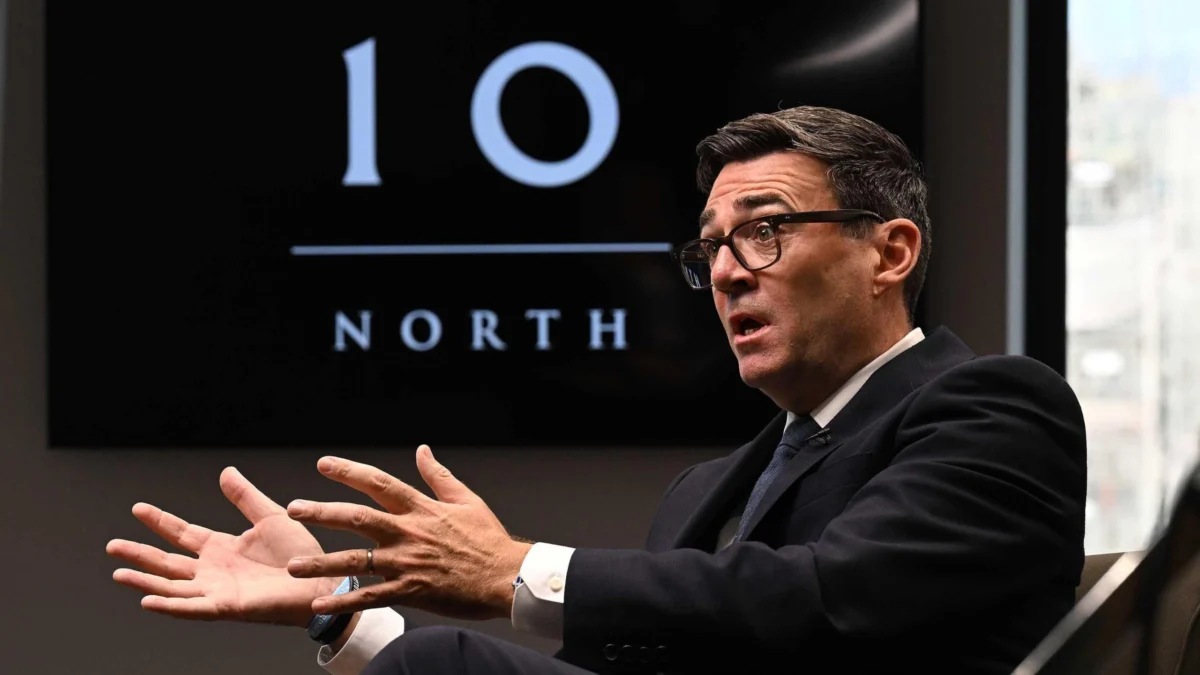
The interview, a significant moment for the newly appointed Labour leader, offered the first real glimpse into the foreign policy orientation of his government. Burnham revealed that his initial interaction with Trump had been "really warm," a detail that might surprise some given the often-contentious nature of Trump’s diplomatic style. However, when pressed twice on whether he would trust the former US president, Burnham conspicuously sidestepped a direct answer. His response, "it’s a changing world isn’t it, and you just obviously have to call things as they develop," hinted at a cautious, pragmatic approach, acknowledging the volatile nature of global politics and the need for constant re-evaluation rather than blind allegiance. This carefully worded non-committal stance suggests a leader prepared to navigate complex international relationships with an emphasis on flexibility and strategic independence, rather than automatic deference.
The full interview, slated for broadcast on Monday, delved deeper into this philosophy. Burnham explicitly stated, "I can’t at any point say that I won’t take a different opinion from him [Trump], that I will need to voice a different idea that is right for Britain." This declaration signals a departure from any perceived ‘special relationship’ that might imply unquestioning alignment with Washington. It positions the UK under Burnham’s leadership as an independent actor on the world stage, capable of asserting its own values and strategic priorities. Such a stance could be interpreted as a move to reclaim a more assertive diplomatic voice for Britain, particularly in an era marked by shifting global power dynamics and heightened geopolitical tensions.
Burnham, known for his strong connection to the public during his tenure as Mayor of Greater Manchester, affirmed that this ethos would extend to his premiership. "My strength is remaining close to people, close to the public, that will not change as prime minister," he asserted. This commitment to public opinion and national sentiment is likely to underpin his approach to international affairs, suggesting that any ‘calling out’ of figures like Trump would be framed as a direct representation of British interests and values. When asked directly if he would challenge Trump if it were the right course of action, his unequivocal "of course" was followed by the reinforcing statement: "You have to defend your own national interest before anything else. That’s what you’re required to do if you’re to do this job properly." This echoes a sentiment that many leaders express, but Burnham’s willingness to apply it to the often-sacrosanct US-UK relationship marks a potentially significant shift in diplomatic tone.
One specific area of concern for Burnham highlighted in the interview was Trump’s past handling of the conflict with Iran. The prime minister expressed "concern" about the former president initiating the conflict, indicating a potential divergence in foreign policy on Middle Eastern stability. Trump’s withdrawal from the Iran nuclear deal (JCPOA) and subsequent "maximum pressure" campaign had been controversial, leading to heightened tensions in the region. Burnham’s remark, stating he "wouldn’t hold back from saying what I think is right," implies a more cautious, diplomatic approach to such conflicts, prioritising de-escalation and international cooperation over unilateral action. This position would likely be welcomed by those advocating for multilateralism and stability in an already volatile region.
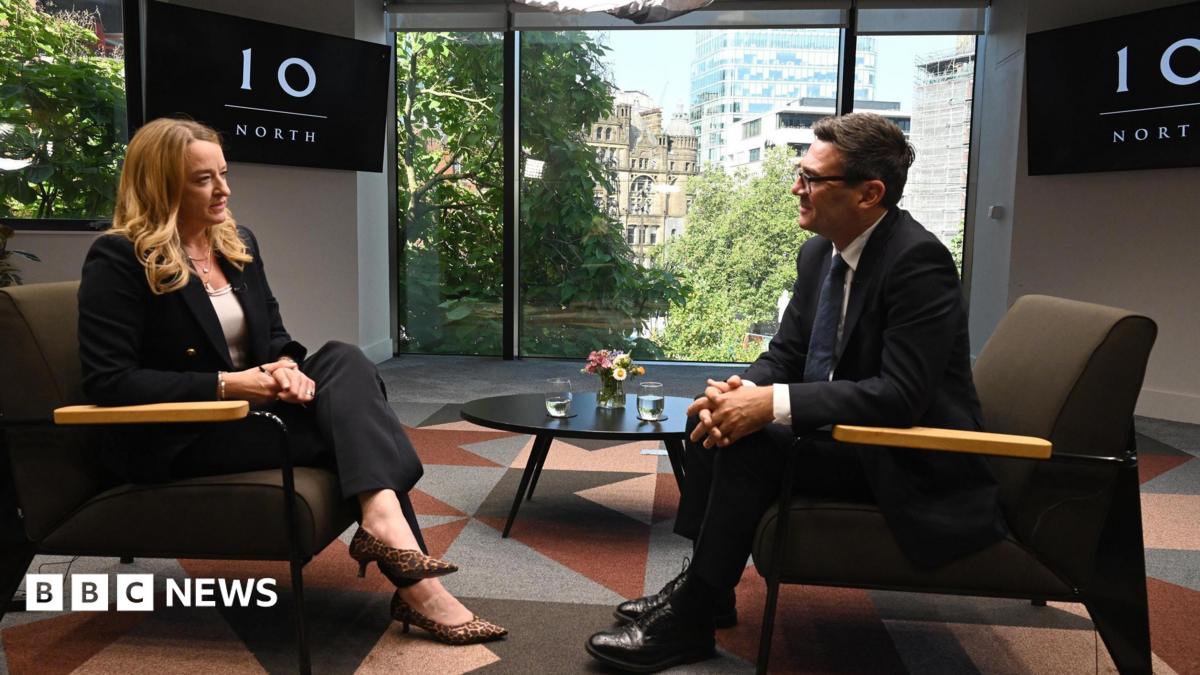
Beyond foreign policy, the interview also touched upon critical domestic and defence issues. Burnham faced scrutiny regarding his government’s commitment to defence spending, specifically the target of allocating 3% of GDP to defence. This issue gained particular prominence following the resignation of his Chancellor, John Healey, from the previous government. Healey’s departure was reportedly due to the lack of a firm commitment to reach the 3% target by 2030, which he argued was essential for national security. The context of Healey’s resignation underscores the seriousness with which this financial commitment is viewed within government circles and by defence strategists.
Burnham addressed the challenge by stating, "I appointed my new chancellor very aware of what he had said about the critical importance of defence spending and the position that he had taken about that." This suggests that while Healey’s concerns are acknowledged and taken seriously within the new administration, the immediate priority is a more granular one. "The first challenge facing us both is to ensure that the defence investment plan is fully funded and that’s the thing that’s right in front of us and we need to work that through as we go towards the budget later this year," Burnham explained. This indicates a focus on ensuring existing defence commitments are met and financially secure, before potentially setting new, ambitious targets. The phrase "work that through" suggests a period of detailed financial planning and negotiation, rather than an immediate, sweeping pledge.
When pressed again for a specific commitment to the 3% GDP target, Burnham remained cautious, stating, "We’ve got to work out the way of doing that." This response reflects the complex economic realities facing any new government, balancing defence needs with other pressing public spending demands such as healthcare, education, and social services. Achieving a 3% target would represent a substantial increase in defence expenditure, requiring difficult decisions on resource allocation across the entire government budget. It signifies a government that, while acknowledging the strategic importance of defence, is also grappling with the practicalities of funding such a significant uplift in investment. The global geopolitical landscape, marked by conflicts and renewed great power competition, undoubtedly adds pressure to this debate, making the "how" as important as the "if" for defence spending.
Finally, in a move designed to signal stability and focus, Burnham explicitly ruled out the prospect of an early general election before the scheduled date of 2029. "I’m going to rule it out… I don’t think people want it," he declared. This firm commitment to serving a full term aims to reassure both the public and markets, providing a clear horizon for his government’s agenda. After a period of political turbulence, such a declaration from a new prime minister is often seen as a pledge for stability and an opportunity to implement long-term policies without immediate electoral pressures. Burnham articulated his primary focus as "getting the country back where it should be," a broad statement that could encompass a range of issues from economic recovery and social cohesion to restoring Britain’s international standing and addressing the cost of living crisis. This emphasis on governance and strategic planning, rather than immediate electoral campaigning, seeks to project an image of a government focused on substantive change and national rebuilding.
The full interview with Andy Burnham will provide further insights into his vision for Britain, both domestically and on the global stage, and will be available on BBC iPlayer on Monday from 06:00 BST, with an extended broadcast on Panorama on BBC One at 20:00 BST. It represents a foundational moment for a new administration seeking to define its leadership and navigate an increasingly complex world.



 Roy Suryo

 Nakalama John
 atisusanti
