
 Ramos Leo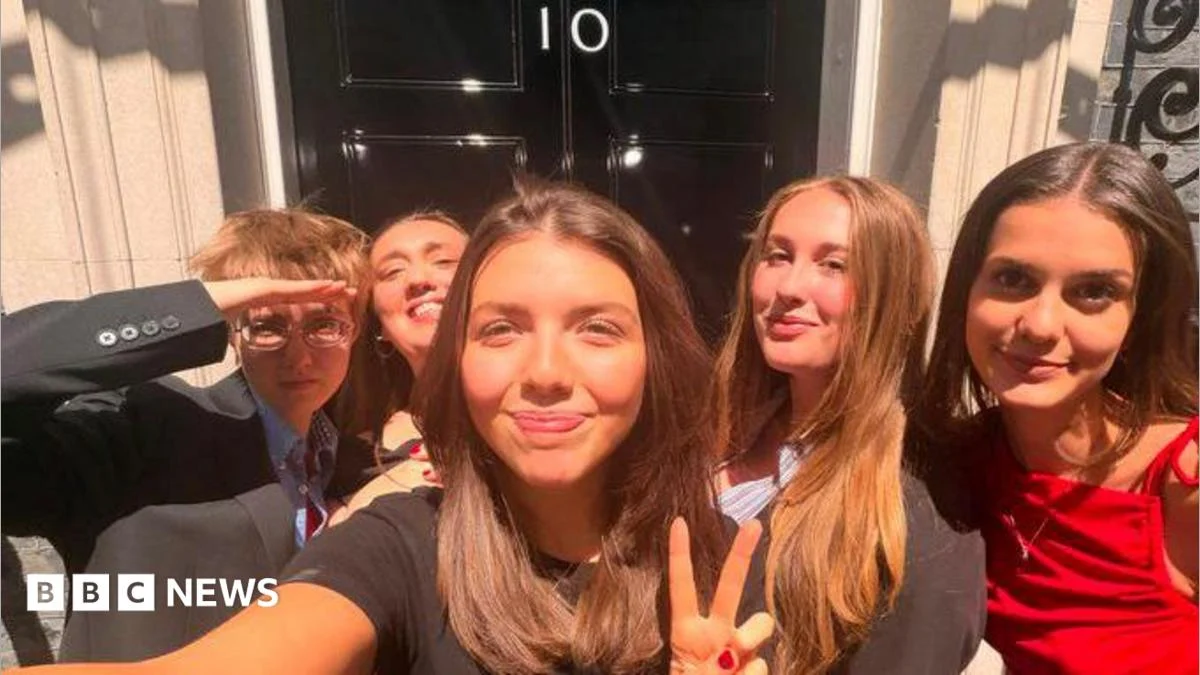
Prime Minister Andy Burnham, long celebrated for his masterful use of social media to forge a distinct political brand, is now set to embed this digital-first approach at the very heart of Downing Street. A source within Number 10 has revealed an ambitious strategy to adopt a "more social first" and "authentic to Andy" style, deliberately moving away from the high-production, meticulously polished content typically associated with previous prime ministerial communications. This strategic pivot signifies a profound understanding of the modern media landscape and a determined effort to connect directly with the electorate in a way that feels spontaneous and personal.
The public can anticipate a significant shift in the Prime Minister’s online presence. Expect to see more candid clips of Burnham engaging in casual conversation, perhaps speaking directly into a handheld phone, or delivering impromptu answers to policy questions across platforms like X (formerly Twitter), Instagram, and TikTok. This deliberate informality is designed to foster a sense of relatability and transparency, breaking down the traditional barriers between leader and citizen. Crucially, a central pillar of this new communication strategy will be extensive collaborations with social media creators and influencers.
In a bygone era, political leaders would meticulously court television personalities, film stars, and other mainstream celebrities, leveraging their fame to amplify their messages. Today, the "Holy Grail" for political communicators lies firmly within the realm of online influencers. These digital native personalities are perceived by their followers as more authentic, trustworthy, and relatable than traditional celebrities or media outlets. They possess an unparalleled ability to reach demographics, particularly younger, hard-to-reach voters, who have largely disengaged from conventional television news or print journalism. Their content often blends entertainment with information, making political discourse more accessible and engaging to an audience accustomed to short-form, dynamic media.
The groundwork for engaging with influencers had already been laid, to some extent, by the preceding government under Sir Keir Starmer. His administration had begun experimenting with granting access to these digital gatekeepers, with various ministers making appearances on popular online channels. Downing Street under Starmer also hosted receptions specifically for influencers, and during Tim Allan’s tenure as director of communications, content creators were even invited to participate in Downing Street press conferences. While some critics viewed these initiatives as a cynical manoeuvre to circumvent serious journalistic scrutiny, preferring softball questions from non-specialists, Burnham’s advisors see collaborations with influencers as an indispensable tool for disseminating the government’s message to vast audiences it would otherwise struggle to reach. As one Downing Street source candidly admitted, "the vast majority" of the public simply do not see or interact with content originating from official government or prime ministerial social media channels. This stark reality underscores the urgency and rationale behind Burnham’s bold new approach.
The immediate aftermath of Burnham’s ascension to Prime Minister offered a clear demonstration of this strategy in action. In the hours both preceding and following his official appointment, Burnham co-authored two highly visible posts across TikTok and Instagram. One particularly notable collaboration featured a running video with the Olympic legend Sir Mo Farah, a move that instantly garnered significant attention. Furthermore, a select group of young TikTokers, instrumental in his successful Makerfield by-election campaign, were invited to Downing Street to receive personal thanks for their pivotal contributions. These early moves signal a profound commitment to integrating digital natives directly into the machinery of government communication.
Among the prominent social channels that Sir Keir Starmer had previously engaged with was one run by Max Klymenko, a Ukrainian online personality who had garnered significant acclaim, including winning TikTok Creator of the Year for his viral "The Career Ladder" series, which features him quizzing individuals about their professional journeys. Klymenko’s team was initially approached by Burnham’s campaign approximately two months prior to the leadership change, with a view to collaborating on content. A video was filmed a week before Burnham became Prime Minister, capturing him being quizzed on his very first job before entering politics. The strategic timing of its release, on Burnham’s inaugural day as Prime Minister, was meticulously planned to capitalise on the immense public buzz surrounding his new role.
Klymenko’s core audience, according to his team, predominantly falls within the 18 to 24 age bracket, with the majority of his content viewers aged between 25 and 30. This demographic skews significantly younger than the typical audience for a traditional television interview, highlighting the efficacy of such collaborations in reaching specific, often elusive, segments of the population. Klymenko’s cumulative subscriber and follower count across TikTok, Instagram, YouTube, and Facebook stands at an impressive 16.3 million accounts, offering the Prime Minister an unparalleled reach. Crucially, Klymenko clarified that no payment or formal contract was exchanged with Burnham’s team, and they did not request any alterations to the content before its publication. This independence further bolsters the perception of authenticity and organic collaboration, a key factor in influencer marketing.
Similarly, Sir Mo Farah’s uploads, featuring discussions with Burnham on topics ranging from sport and education to mental health during their joint run, were broadcast to his three million followers across YouTube, TikTok, and Instagram. This provided the Prime Minister with a reach exponentially larger than his personal social media channels could achieve alone, demonstrating the multiplier effect of such high-profile influencer partnerships.
The driving force behind this innovative communication strategy is Abby Tomlinson, who masterminded Burnham’s digital communications during the pivotal by-election. The BBC has confirmed that Tomlinson has been retained in a significant new role within Burnham’s administration, solidifying her influence and ensuring the continuity of this digital-first approach. Tomlinson’s career in social media began over a decade ago when, at just 17, she famously ignited the "Milifandom" campaign for Ed Miliband, demonstrating an early knack for viral political engagement. In recent years, she honed her skills in digital communications for the Labour Party and even worked for Keir Starmer in Number 10 before departing last year. Her strategic acumen is widely credited for Burnham’s remarkable ability to connect with voters across diverse digital platforms in recent months.
Burnham’s preference for direct digital engagement over traditional media interviews has been stark since his return to Parliament. He has consciously rationed appearances with conventional news outlets, opting instead for vlogs, interactive question-and-answer sessions on platforms like Reddit, and direct exchanges on X to counter political opponents. This approach has, predictably, drawn criticism. Conservative leader Kemi Badenoch, for instance, took to Reddit herself to challenge Burnham, urging him to "come out from hiding, face a proper press conference and submit yourself to scrutiny and some tough questions." Burnham’s swift retort, delivered via social media, highlighted that it had only been two weeks since he had faced questions from "74,000 members of the public of Makerfield," implicitly suggesting that direct engagement with constituents offered a form of scrutiny no less valid than a press conference.
Beyond high-profile influencer collaborations, another crucial element of Burnham’s campaigning strategy has been the cultivation and organisation of grassroots social media activists. Among the politicians and staffers invited to witness Burnham’s historic moment outside Number 10 as he became Prime Minister were a group of teenage TikTokers whose creative video edits have been instrumental in introducing him to entirely new social media audiences. This cohort, including Will, Lottie, Megan, Ellen, and Poppy, all aged between 17 and 19, have collectively amassed millions of likes on TikTok. Across various platforms, they skillfully share memes, participate in trending challenges, and craft nostalgic edits of New Labour footage, including clips from Burnham’s earlier time in office, effectively tapping into a powerful vein of political memory and identity.
These young Labour activists were actively invited to canvass alongside Burnham during his Makerfield by-election campaign and to produce edits of his trail footage. Their unique talent lies in communicating political messages in a language and style that authentically resonates with online communities, particularly Gen Z. One particularly successful tactic involved getting Burnham to sign and pose with red pre-made cocktails, a popular drink among Gen Z, which garnered thousands of likes and amplified his relatable image. Megan Cassidy, a 19-year-old from Havering who began creating Labour content a year ago, described her presence at Downing Street as "surreal," feeling as though she was "witnessing history around me." These young activists confirmed that they were given direct access to Burnham and provided with raw footage by his team, but critically, they are not paid for their work and retain full creative control over how they edit and present the material.
They view their efforts as a vital opportunity to gain ground against social media-savvy rival parties. They acknowledge the formidable online presence of Reform UK, whose leader Nigel Farage boasts an exponentially larger following on social media, and the Greens, who have experienced significant growth in their digital engagement in recent months. The activists highlighted Burnham’s inherent "natural" disposition and his willingness to spontaneously appear in their content as a significant advantage. "I do think he gets it, absolutely compared to other politicians, compared to Starmer for example, I think he’s a lot more charismatic," Megan observed, underscoring the Prime Minister’s authentic appeal as a crucial ingredient in the success of this innovative and ambitious digital strategy. This concerted effort to embrace the digital frontier signals a new era of political communication, one that prioritises direct engagement, authenticity, and the power of grassroots digital activism.



 Roy Suryo

 Nakalama John
 atisusanti
