
 Nakalama John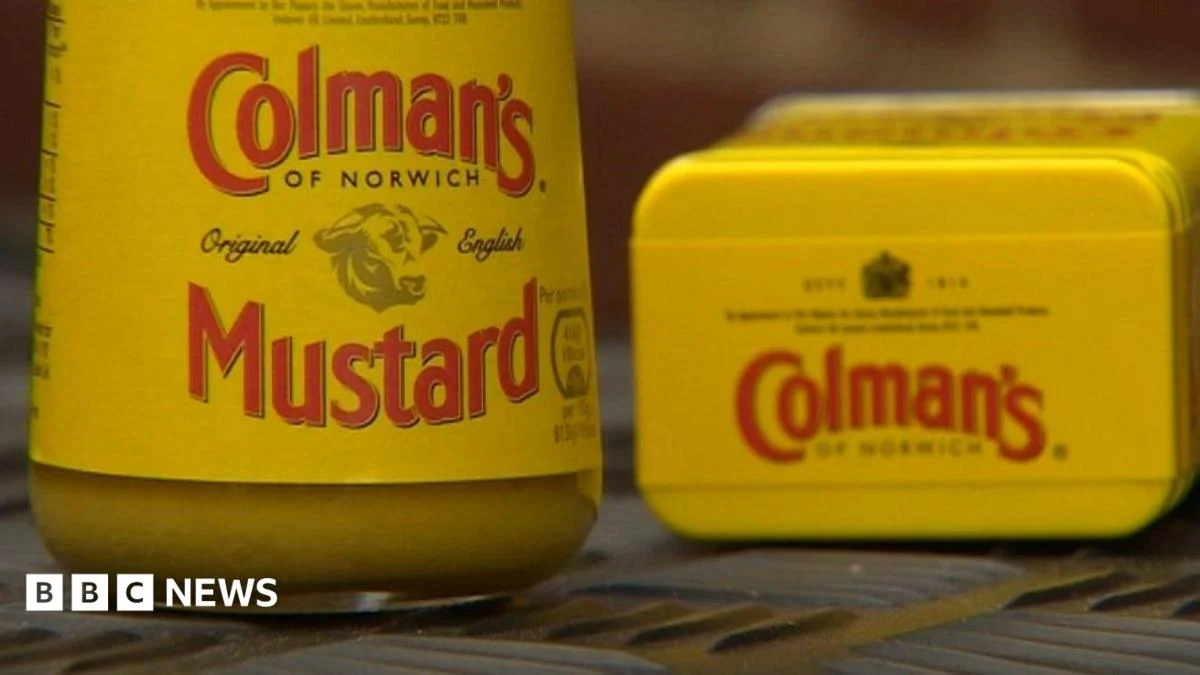
Colman’s Mustard boasts a rich and storied history, tracing its origins back to 1814 when it was founded by Jeremiah Colman at Stoke Holy Cross, a picturesque village just south of Norwich. The enterprise quickly outgrew its initial home, necessitating a move in 1858 to the sprawling Carrow Works site on the banks of the River Wensum in Norwich. This move marked the beginning of a 160-year unbroken presence in the city, transforming Colman’s from a local business into a national and eventually international culinary staple.
Under the guidance of Jeremiah’s great-nephew, Jeremiah James Colman, and his son, Russell Colman, the company flourished throughout the Victorian era. It became renowned not only for its distinctive, fiery English mustard but also for its pioneering social welfare policies, which earned it the moniker of a "cradle-to-grave" employer. The Colman family were Quakers, and their deeply held philanthropic values translated into an extraordinary commitment to their workforce and the wider community. At a time when industrial conditions were often harsh, Colman’s provided its employees with amenities far beyond the norm. A school was established on Carrow Hill in 1864, offering education for workers’ children. The company built quality terrace houses for its staff, famously rumoured to have their doors painted in a vibrant mustard yellow, a subtle nod to the product that sustained the community. Beyond housing and education, Colman’s offered healthcare, leisure facilities, and even supplied coffins for workers and their families, underscoring a comprehensive support system that nurtured generations of Norwich residents. This progressive ethos fostered immense loyalty and contributed significantly to Norwich’s industrial prosperity and social development.

The brand’s distinctive yellow and red packaging became instantly recognisable on dinner tables across Britain and beyond. Colman’s secured a Royal Warrant in 1866, solidifying its status as a purveyor to the monarchy, a prestigious endorsement that further cemented its reputation for quality. Innovative advertising campaigns, including the memorable "Mrs. Colman’s Mustard" imagery, ensured the brand remained at the forefront of consumers’ minds. By the turn of the 20th century, Colman’s had established itself as a global brand, exporting its mustard to numerous countries and becoming synonymous with traditional English cuisine.
In 1938, Colman’s was acquired by Reckitt & Sons, which later merged to form Reckitt & Colman. The brand subsequently became part of Unilever’s vast portfolio in 1995. Despite changes in ownership, the Carrow factory continued to produce Colman’s mustard, maintaining its deep roots and employment base in Norwich for decades.
However, the enduring presence of Colman’s in Norwich came to a poignant end. In January 2018, Unilever announced the devastating news that it would close the historic Carrow plant. The decision, cited as part of a wider strategy to streamline production and improve efficiency, sent shockwaves through the city. The closure meant the loss of approximately 113 jobs and severed a manufacturing link that had defined a significant part of Norwich’s industrial identity for over 160 years. The announcement sparked widespread public outcry, with local residents, politicians, and heritage groups expressing deep sorrow and launching petitions to save the factory. Despite the emotional plea, the closure proceeded.

In November 2019, the last jar of Colman’s English mustard rolled off the Carrow production line, a symbolic and bittersweet moment marking the end of an era. The factory officially closed its doors in 2020, leaving the sprawling 42-acre (17-hectare) site vacant. This prime piece of land, once a bustling hub of industry, has since been earmarked for a significant housing development, promising to transform the area once again. Following the closure, Unilever shifted the production of Colman’s English mustard to its existing factory in Burton-on-Trent, while the dry mustard powder production was relocated to Germany.
Despite the physical departure of manufacturing from Norwich, a vital piece of the Colman’s legacy has been kept alive locally. Condimentum, a dedicated mustard milling plant based at the Food Enterprise Park in Easton, near Norwich, continues to process the raw mustard seeds grown by local farmers into the flour used for Colman’s mustard. This crucial link ensures that Norfolk’s agricultural heritage remains connected to the iconic brand, providing continuity for the region’s mustard growers and honouring the local origins of the product. The establishment of Condimentum was a direct result of efforts to retain some of Colman’s production chain within Norfolk after the Carrow closure, demonstrating the powerful desire to preserve the brand’s local ties.
The current sale of the Colman’s brand is a direct consequence of a broader strategic realignment in the global food industry. The proposed £48 billion merger would see McCormick, an American company specialising in spices, seasonings, and flavourings, significantly expand its portfolio by acquiring a substantial portion of Unilever’s food and refreshment division. This deal would grant McCormick control over other household names like Hellmann’s mayonnaise, Marmite spread, Knorr stock cubes, and Pot Noodle. For Unilever, the divestment represents a strategic pivot towards focusing on its home and personal care segments, which include globally recognised brands such as Dove soap, Persil laundry detergent, and Lynx deodorants. This move allows Unilever to concentrate on areas it believes offer stronger growth potential and higher margins.

The competitive landscape is the key driver behind Colman’s being put up for sale. With McCormick already owning French’s, a dominant player in the global mustard market, the acquisition of Colman’s by McCormick as part of the larger Unilever Foods deal would likely raise significant anti-competition concerns from regulatory bodies worldwide. To preemptively address these potential antitrust issues and smooth the path for the larger merger, Unilever and McCormick have agreed to divest Colman’s, along with potentially other overlapping brands, to ensure fair competition in the condiment market.
The sale opens a new chapter for Colman’s Mustard, raising questions about its future ownership and strategic direction. Potential buyers could include other large food conglomerates looking to strengthen their condiment offerings, private equity firms seeking to revitalise a heritage brand, or even smaller, UK-focused food companies aiming to acquire a national icon. The identity of the next owner will undoubtedly influence how the brand is marketed, where its raw materials are sourced, and whether any renewed ties to its spiritual home in Norwich might be forged.
For many in Norwich and across Britain, Colman’s is more than just a condiment; it’s a piece of cultural heritage. Its fiery kick has accompanied roast dinners and sandwiches for generations, embodying a distinctly British taste. The brand’s deep-seated history in Norfolk, its pioneering social contributions, and its enduring presence in British kitchens mean that its sale resonates far beyond a mere corporate transaction. Discussions are ongoing, and operations continue as usual under Unilever’s stewardship for now, but the impending change of ownership marks a significant moment for a brand synonymous with English tradition and the city of Norwich.


 George Anjay
 atisusanti
 Ramos Leo
 Roy Suryo
 Nana Banana