
 Roy Suryo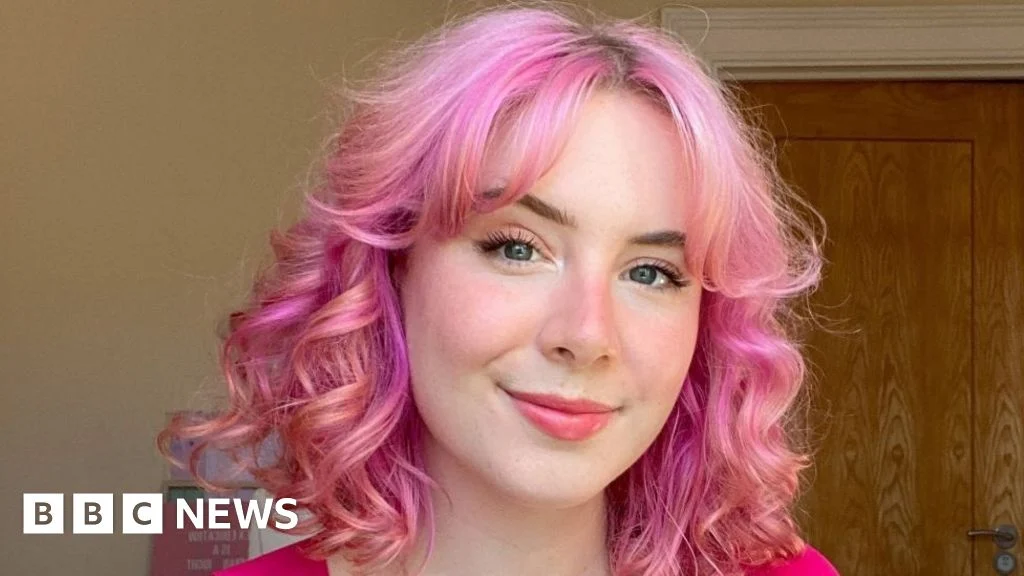
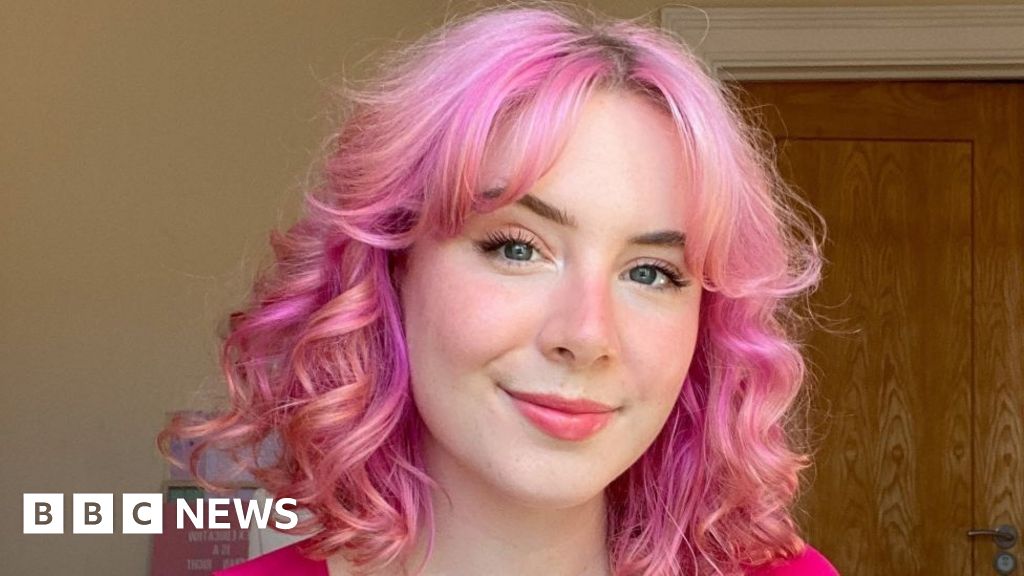
As a sex educator with six years of experience, Milly Evans is well-versed in the nuances of contraception. Yet, in the lead-up to getting a hormonal coil (IUS), she found herself grappling with an unfamiliar wave of doubt regarding its suitability for her body. Her social media feeds had become an overwhelming deluge of content actively discouraging the use of hormonal contraception, prompting her to question if the potential for negative experiences was worth the risk. This internal conflict led Evans, aged 26, to postpone her appointment for six months. "Some of the claims I saw were so compelling that they made me question what I already know to be true," she admitted.
Evans’s experience is far from isolated. For many women in their twenties who are active online, conversations surrounding hormonal contraceptives like the pill, coil, and implant are a common occurrence. These discussions typically fall into two camps: women sharing their personal side effects, and individuals deliberately disseminating misinformation, often linking hormonal contraception to specific ideologies. It is this latter category that Evans finds particularly concerning. She describes the content as having a "right-wing, religious, largely American element," frequently framed within a narrative of "clean living" and "divine femininity."
Lauren, a 25-year-old from Manchester, has also encountered similar content on her Instagram feed, which is populated by many fitness and wellness influencers. She expresses frustration at some of these influencers for "demonising" hormonal contraception and labelling it as "unnatural." Lauren, who has been taking the combined pill for four years, credits it with significantly alleviating her premenstrual dysphoric disorder (PMDD) symptoms, which previously caused intense cramps and erratic behaviour. "Honestly, it’s changed my life," she stated, yet she acknowledges that these posts make her positive experience feel "invalidated" and have caused her to question her choices.
In recent years, the United States has witnessed a rapid proliferation of content on social media that actively vilifies hormonal contraception. A cursory search reveals posts from new mothers discussing unplanned pregnancies, with one 17-year-old seeking contraception advice on Instagram receiving a comment, liked over 800 times, stating: "Birth control is ‘so bad for you.’" Another user expressed their "hatred towards the pill," claiming it induced depression, while others have simply stated contraception "sucks." Evie Plumb, a psychosexual and relationship therapist, notes that even individuals claiming medical qualifications are spreading misinformation through online platforms and podcasts.
Dr. Fran Yarlett, Medical Director at the women’s health platform The Lowdown, explains that while some claims are unequivocally false, others are misinterpretations or out-of-context portrayals of small-scale studies with "dubious methodology." She cites the example of the claim that the pill can "shrink your clitoris" as a distortion of scientific findings. Despite these online narratives, the shift in attitude is not confined to the digital realm or the US; sexual health experts in the UK report a noticeable increase in such conversations occurring in real-life clinical settings.
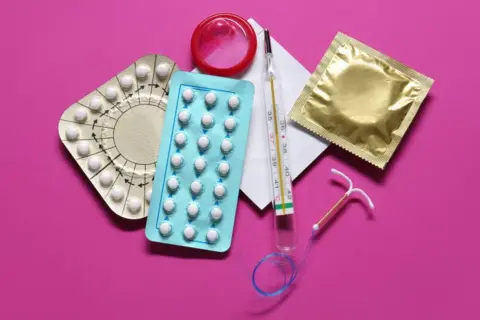
Dr. Jenny Dhingra, a London GP, has observed a growing "aversion" among patients over the past couple of years. Some patients express concerns about side effects and admit to being "scared" after encountering content on social media. The NHS acknowledges that commonly reported side effects of hormonal contraception include headaches, nausea, mood swings, weight gain, breast tenderness, and acne, but notes that these effects typically diminish over time. The NHS also states that hormonal contraception can slightly increase the risk of blood clots and breast cancer, though it emphasizes that this risk is "very low."
Quantifying the precise impact of these online conversations on contraception usage in the UK is challenging. Jenny Hall, a professor of reproductive health at UCL, points out that NHS data does not capture individuals who obtain the pill from pharmacies, nor does it fully account for devices now prescribed for extended periods without immediate replacement. However, she suggests that overall trends appear to indicate a move away from hormonal contraception. Supporting this observation, a study published last year indicated a decrease in the proportion of women using hormonal contraception for pregnancy prevention between 2018 and 2023, based on data from tens of thousands of women seeking abortions in England and Wales. Furthermore, a review of several studies last year found that negative side effects are discussed "much more frequently" on social media than the benefits of contraception.
Evans posits that alarming stories tend to gain traction and go viral on social media, whereas individuals who are content with their coil, for instance, do not achieve the same reach. She notes that the content that garners attention is often focused on "really extreme negative ones… the ones that people say they had a traumatic experience, the ones where someone had a blood clot." Sex educator Kerry Wolstenholme corroborates this, stating that she frequently hears young people quoting these "horror stories" and subsequently deciding that contraception is "not for them."
Consequently, as individuals shy away from hormonal contraception, sexual health professionals are observing an increase in the use of fertility tracking apps. Unlike the pill, coil, and implant, these apps can advertise freely on social media in the UK as they do not require a prescription. Some women promote them as a "natural" alternative. These apps typically predict a fertile window based on factors such as a woman’s last period and body temperature, advising users to avoid sex or use protection during this time. However, many of these apps are primarily designed as period trackers or to assist couples trying to conceive, and therefore should not be relied upon for pregnancy prevention.
Experts are candid about the fact that some individuals will "can and will" experience side effects from hormonal contraception, as this is inherent to how medication functions. However, they argue that the benefits of these methods are often overlooked. Kayla Healey, Head of Contraception at MSI Reproductive Choices, highlights that hormonal contraceptives can be beneficial for managing heavy periods or alleviating PMS symptoms. It is also common for hormonal options to be prescribed to manage the symptoms of conditions such as adenomyosis and endometriosis, which can cause painful periods.
Amidst the social media discourse, Evans acknowledges that there are also "a lot of frustrated women" seeking to share their legitimate, negative experiences with hormonal contraception. The core issue, according to experts, is that even when these stories are valid, they are often shared without the crucial context of how likely these side effects are to occur. Professor Hall suggests that some women feel dismissed when their concerns about side effects are not taken seriously and are also weary of bearing the "contraceptive burden," noting the absence of hormonal contraceptives for men, although some gels and pills are undergoing testing. Evans expresses concern that these "very real frustrations" are inadvertently feeding into narratives promoted by anti-birth control campaigners, some of whom advocate for women to have as many children as possible.

Ultimately, Evans did not allow the content she encountered on social media to deter her, and she had a hormonal coil fitted earlier this week. She stated that she felt "confident" in her decision after discussing it with the healthcare professional who fitted the device. Following her own Instagram post about her experience, she received messages from individuals who expressed relief at seeing her post, stating that they had "been put off" by other content.




 George Anjay
 Nakalama John
 atisusanti
 Ramos Leo
 Nana Banana