George Anjay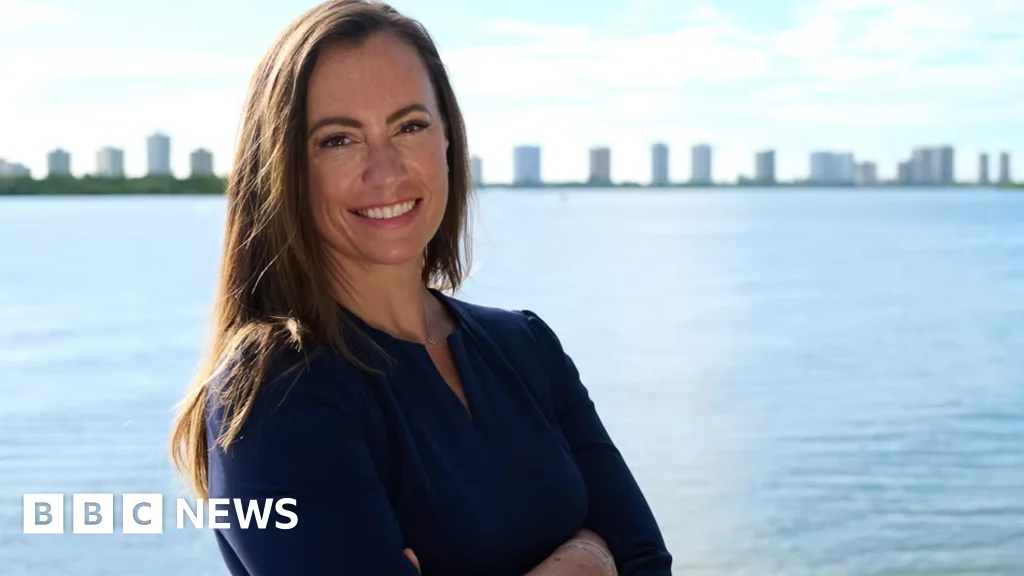
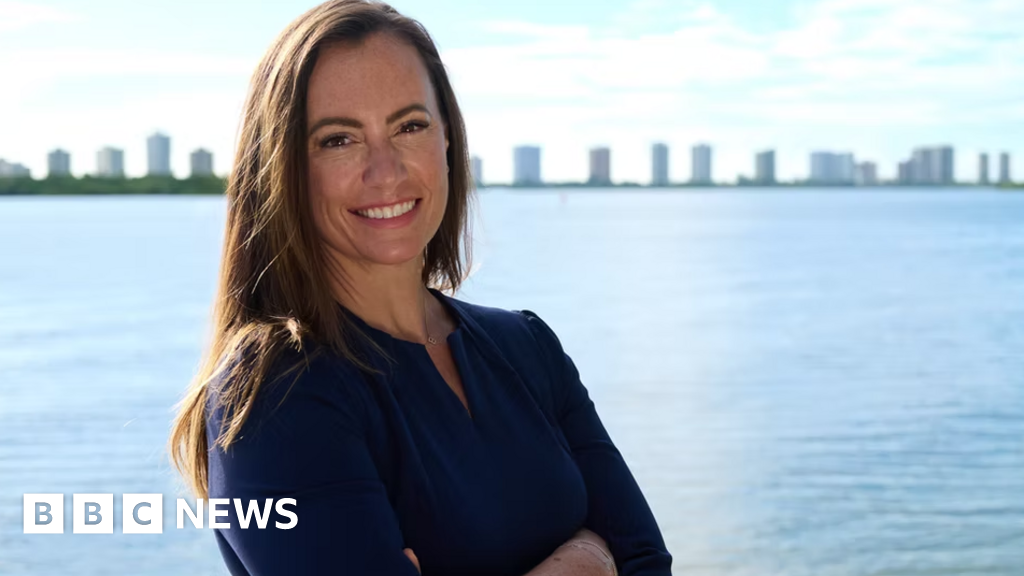
Democrats have achieved a significant political victory, securing a Florida state legislative seat that encompasses former President Donald Trump’s opulent Mar-a-Lago estate in Palm Beach. This unexpected win, projected for Democratic nominee Emily Gregory, represents a substantial upset in a region considered a stronghold for the Republican party and a personal emblem for Trump. Gregory, a political newcomer, has reportedly bested Trump-endorsed Republican candidate Jon Maples in a special election for Florida House District 87. This outcome starkly contrasts with the 2024 election cycle, when the same district was won by a Republican with a commanding 19-percentage-point margin.
The victory for Gregory is being heralded as a potential indicator of a shifting political landscape and growing momentum for the Democratic party. This trend has been observed in various special elections held during Trump’s tenure, often signaling public sentiment and offering a preview of the national mood ahead of larger electoral contests. Gregory herself expressed a mixture of surprise and vindication regarding her win. "When I started this nine months ago, I obviously thought it was possible," she remarked to MSNBC on Tuesday night, reflecting on the initial decision to contest the district. "I might have done some crazy calculus to decide that this was a flip opportunity, but it was," she added, underscoring the unexpected nature of her success. "And we did it. So my math worked."
When questioned about the significance of having a former president as a constituent, Gregory adopted a pragmatic approach, stating that she does not dwell on the matter. "He’s one of 115,000 registered voters in District 87," she clarified, emphasizing the broad spectrum of constituents she will represent.
The national Democratic apparatus has been quick to celebrate this victory. Ken Martin, the chair of the Democratic National Committee, took to X (formerly Twitter) to highlight the implications of Gregory’s win. "If Democrats can win in Trump’s backyard, we sure as hell can win anywhere across the country. Onward to November!" Martin declared, framing the result as a powerful message to the electorate.
The Democratic Legislative Campaign Committee (DLCC), an organization dedicated to supporting Democratic candidates in state-level races, also issued a statement of triumph. DLCC President Heather Williams asserted that Gregory’s win "proves Republicans are vulnerable everywhere." She further elaborated, "If Mar-a-Lago and Tampa are vulnerable, imagine what’s possible this November." This statement suggests a strategic view of the election, identifying key areas where Republican dominance might be challenged.
Former President Trump himself had actively supported Maples, issuing an endorsement on his Truth Social platform and urging "great patriots" to participate in the special election. The presence of Mar-a-Lago within the district added a layer of symbolic importance to the race, making the Democratic victory particularly resonant. Republican Congressman Byron Donalds, who is currently campaigning for governor of Florida, also featured in an endorsement video with Maples, advocating for his election.
This win for Democrats in Florida is part of a broader pattern of success in special elections held since Trump’s inauguration in early 2025. These contests, often seen as bellwethers, have provided Democrats with opportunities to gain ground and demonstrate their electoral strength in areas previously considered Republican strongholds.
The upcoming midterm elections in November are poised to be a crucial barometer of the nation’s political sentiment. These elections will determine control of the US House of Representatives, a significant portion of the US Senate, and numerous governorships and state legislative seats across the country. Historically, midterm elections serve as a de facto referendum on the sitting president and the performance of their party. The Democratic gains in special elections, particularly in a district as symbolically charged as one containing Mar-a-Lago, suggest that the party may be well-positioned to capitalize on any existing discontent or desire for political change heading into the November contests.
The demographic and political composition of Florida’s 87th House District is diverse, encompassing a mix of affluent communities, including those with a significant concentration of Republican voters, as well as more varied populations. Mar-a-Lago, a private club and residence owned by Donald Trump, has become a prominent landmark and a symbol of his post-presidency influence. Its inclusion within the district’s boundaries elevated the race beyond a typical local contest, drawing national attention and scrutiny. The victory by Emily Gregory, a candidate who ran on a platform likely emphasizing Democratic priorities such as healthcare, education, and environmental protection, indicates a potential shift in voter priorities or a successful outreach strategy that resonated with a broader electorate than initially anticipated.

The Republican party, on the other hand, faces the challenge of understanding and addressing the factors that contributed to this defeat. The endorsement of Trump and the backing of established Republican figures like Congressman Donalds did not translate into victory. This suggests that either the Republican campaign failed to connect with voters on key issues, or that the Democratic message, amplified by the national party’s enthusiasm and strategic focus on special elections, proved more compelling. The perceived vulnerability of Republican strongholds, as highlighted by the DLCC, could prompt a re-evaluation of campaign strategies and resource allocation within the party.
Furthermore, the outcome in District 87 could influence future electoral strategies for both parties. For Democrats, it provides a template for campaigning in competitive districts and energizes their base. For Republicans, it serves as a cautionary tale, emphasizing the need to adapt to changing voter sentiments and to mobilize their supporters effectively, even in areas where they have historically held an advantage. The engagement of national figures, including the former president, underscores the high stakes and national implications of these seemingly local races.
The victory is not merely a win for one candidate but a symbolic triumph for the Democratic party, demonstrating their capacity to challenge Republican dominance even in the most politically charged environments. As the nation looks ahead to the November midterms, the outcome in Florida’s 87th House District will undoubtedly be cited as evidence of the shifting political tides and the potential for significant electoral upheaval. The ability of Democrats to flip a seat in "Trump’s backyard" suggests that the political landscape is more fluid and unpredictable than many had assumed, offering a glimmer of hope for the party as they prepare for the critical electoral battles of the upcoming year. The campaign of Emily Gregory, a first-time candidate, now stands as a testament to the power of grassroots organizing and effective messaging in overcoming established political advantages. The focus now shifts to how this momentum can be sustained and translated into broader electoral success.



 Nakalama John
 Ramos Leo
 Nana Banana